Emergency Drill Report Template
Conducting regular emergency drills is crucial for ensuring the safety and preparedness of your organization. But the drill itself is only half the battle. The real value lies in the post-drill analysis and documentation, captured effectively in an emergency drill report. This report serves as a vital record, identifying strengths, weaknesses, and areas for improvement in your emergency response plan and execution. Without a well-structured report, valuable lessons may be missed, potentially hindering your organization’s ability to effectively respond to a real emergency.
This post delves into the importance of a comprehensive emergency drill report and provides a detailed template to help you document your drills effectively. Using a standardized template ensures consistency across all drills, facilitating easier comparison and analysis of results over time. It also promotes a systematic approach to identifying areas needing refinement in your emergency procedures, training, or equipment. Ultimately, a strong emergency drill report contributes to a safer and more resilient work environment for everyone.
A well-designed emergency drill report template should be user-friendly, comprehensive, and adaptable to various emergency scenarios. It should capture crucial information about the drill’s objectives, execution, observed issues, and recommended corrective actions. Remember, the goal isn’t just to complete the report; it’s to extract actionable insights that improve your organization’s overall preparedness. Let’s dive into the essential components of an effective emergency drill report template.
Emergency Drill Report Template
Below is a comprehensive template in HTML format that you can adapt for your specific needs. Each section is designed to capture crucial information about your emergency drill, enabling thorough analysis and improvement of your emergency response plan.
-
General Information
- Drill Title: [Enter drill title, e.g., “Fire Drill – Main Building”]
- Date: [YYYY-MM-DD]
- Time: [HH:MM AM/PM – HH:MM AM/PM]
- Location: [Specific location of the drill, e.g., “Main Building, Floors 1-3”]
- Drill Type: [e.g., “Fire Drill”, “Evacuation Drill”, “Active Shooter Drill”, “Tornado Drill”]
- Scenario: [Brief description of the simulated emergency scenario]
- Objectives: [Clearly defined objectives of the drill, e.g., “To evacuate all personnel within 5 minutes”, “To test the functionality of the emergency communication system”]
- Participants: [Number of participants and their roles, e.g., “50 Employees, 3 Floor Wardens, 2 First Aid Responders”]
- Observers/Evaluators: [Names and titles of individuals observing and evaluating the drill]
-
Drill Execution
- Start Time of Notification: [Time when the emergency notification was initiated]
- Method of Notification: [How the notification was delivered, e.g., “Alarm system”, “Phone call”, “Email”, “Public Address System”]
- Evacuation Time (if applicable): [Time taken to complete the evacuation]
- Assembly Point Time (if applicable): [Time taken for all evacuees to reach the designated assembly point]
- Key Events & Timeline: [Detailed timeline of events during the drill, including significant actions and their timestamps]
- Communication Effectiveness: [Assessment of communication clarity, timeliness, and effectiveness between different parties]
- Equipment Performance: [Assessment of the functionality and usability of emergency equipment, e.g., fire extinguishers, first aid kits, communication devices]
-
Observations and Findings
- Strengths: [Identify aspects of the drill that were executed successfully, e.g., “Clear communication from floor wardens”, “Efficient evacuation of the building”]
- Weaknesses: [Identify areas where the drill revealed shortcomings, e.g., “Confusion regarding assembly point location”, “Delayed response from first aid responders”, “Some employees did not hear the alarm”]
- Areas for Improvement: [Specific suggestions for improvement based on the observed weaknesses, e.g., “Improve signage for assembly point”, “Provide additional training to first aid responders”, “Inspect and maintain alarm system to ensure audibility in all areas”]
- Unexpected Issues: [Any unforeseen problems encountered during the drill, e.g., “Elevator malfunction”, “Blocked emergency exit”]
-
Corrective Actions and Recommendations
- Recommended Actions: [Specific actions to address the identified weaknesses and unexpected issues, e.g., “Conduct refresher training on evacuation procedures”, “Repair the elevator”, “Clear obstructions from emergency exits”]
- Assigned Responsibility: [Identify individuals or departments responsible for implementing the recommended actions]
- Target Completion Date: [Proposed date for completing each corrective action]
- Follow-up Plan: [How the effectiveness of the corrective actions will be monitored and verified]
-
Conclusion
- Overall Assessment: [Overall evaluation of the drill’s effectiveness in meeting its objectives]
- Recommendations for Future Drills: [Suggestions for improving future drill scenarios, objectives, or evaluation methods]
- Report Prepared By: [Name and title of the person preparing the report]
- Report Approved By: [Name and title of the person approving the report]
This HTML list provides a structured framework for your emergency drill report. Remember to adapt it to your specific organizational needs and emergency scenarios. Regularly reviewing and updating your report template will ensure it remains relevant and effective in improving your organization’s emergency preparedness. Good luck conducting your drills and creating insightful reports!
If you are searching about Emergency Response Rates in India – Soondra you’ve came to the right web. We have 15 Pictures about Emergency Response Rates in India – Soondra like Emergency planning – Carers' Resource, Emergency Response Rates in India – Soondra and also Fewer Doctors Are Choosing To Go Into Emergency Medicine. Here it is:
Emergency Response Rates In India – Soondra
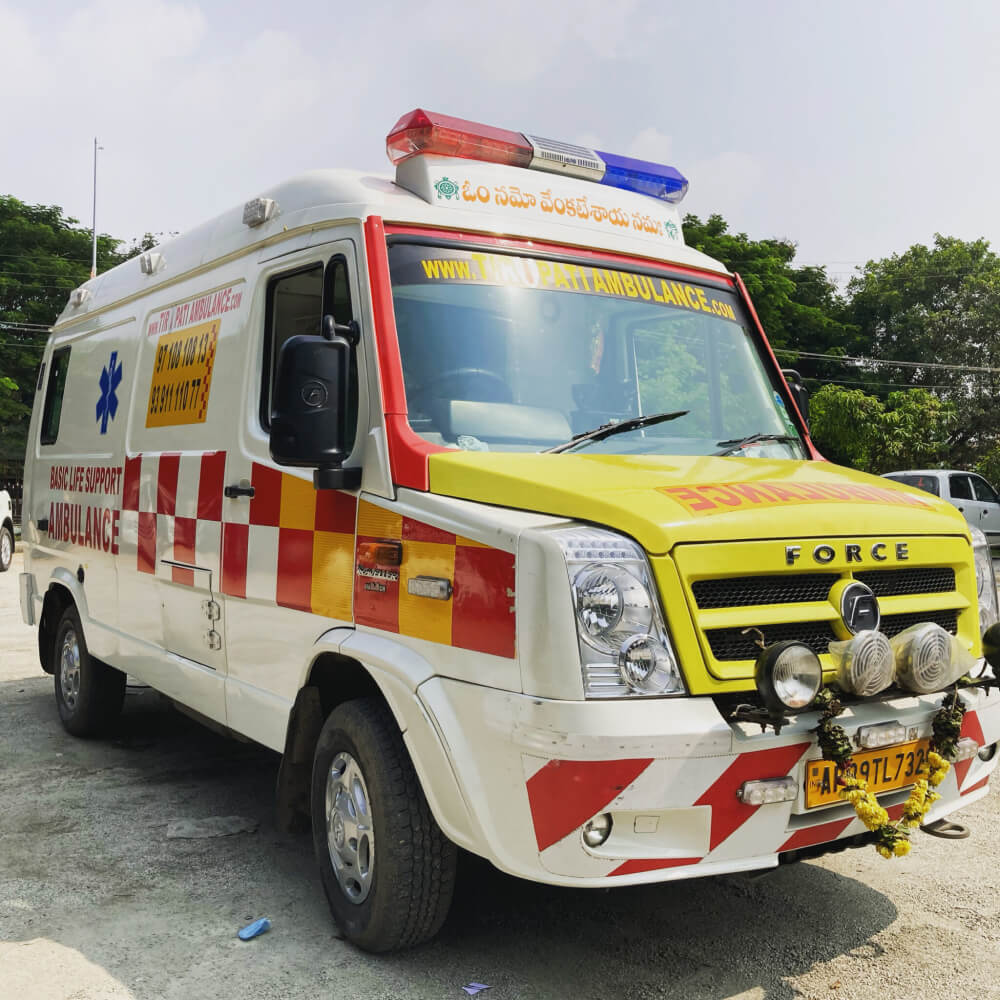
soondra.org
Emergency Response Team Helpline At Eleanor Victor Blog

cehztrxr.blob.core.windows.net
Dental Emergency Guide – YourDentistryGuide.com
www.yourdentistryguide.com
6 Things To Include In A Medical Emergency Response Plan

www.remotemedical.com
Key Elements Of An Effective Facility Emergency Plan
ifm.flagshipinc.com
Fewer Doctors Are Choosing To Go Into Emergency Medicine
washingtonweeklytimes.com
Emergency Response Team

ar.inspiredpencil.com
5 Things You Should Never, Ever Do In An Emergency | Reader's Digest

www.readersdigest.co.nz
HCA Florida Plans Emergency Department In Boca Raton – South Florida
www.bizjournals.com
Emergency – Welcome To COSMOS Hospital, Moradabad

cosmoshospital.co.in
Emergency Planning – Carers' Resource

www.carersresource.org
Emergency Preparedness Information | Town Of Zebulon, NC
www.townofzebulon.org
How To Recognize A Medical Emergency
:max_bytes(150000):strip_icc()/GettyImages-73807258-57dc5f2c5f9b586516c7e065-5b3055658e1b6e003679e037.jpg)
www.verywellhealth.com
Greece Establishes New Emergency Response Service To Deal With Natural

www.keeptalkinggreece.com
Emergency Response Plan Template For Schools

mavink.com
emergency response team. Hca florida plans emergency department in boca raton. Emergency planning