Word Title Page Templates

Creating professional documents often requires a polished and consistent look, and Microsoft Word offers a surprisingly robust set of tools for crafting visually appealing title pages. These Word Title Page Templates aren’t just for academic papers; they’re invaluable for resumes, reports, presentations, and any document where a formal introduction is needed. They provide a standardized format, ensuring your documents make a strong first impression and adhere to professional guidelines. This guide will delve into the various ways to create and customize title pages in Word, covering everything from basic formatting to incorporating advanced design elements.
The ability to quickly and easily generate a professional-looking title page can save significant time and effort, particularly when producing multiple documents with similar branding or formatting requirements. Word’s built-in templates offer a fantastic starting point, but understanding how to modify and personalize them is key to achieving a truly unique and impactful presentation. Furthermore, mastering these techniques will elevate the overall quality of your documents, reinforcing your credibility and demonstrating attention to detail. Let’s explore the different approaches available to you.
Understanding Word’s Title Page Capabilities
Microsoft Word’s title page functionality has evolved considerably over the years, offering a range of options to suit different needs and design preferences. Initially, creating a title page involved manually formatting text boxes and inserting images, a time-consuming process. However, modern versions of Word provide pre-designed templates and intuitive tools that streamline the process dramatically. The key is to understand the underlying principles of document design – alignment, typography, and visual hierarchy – and how to apply them within Word’s interface.

Using Pre-Designed Templates
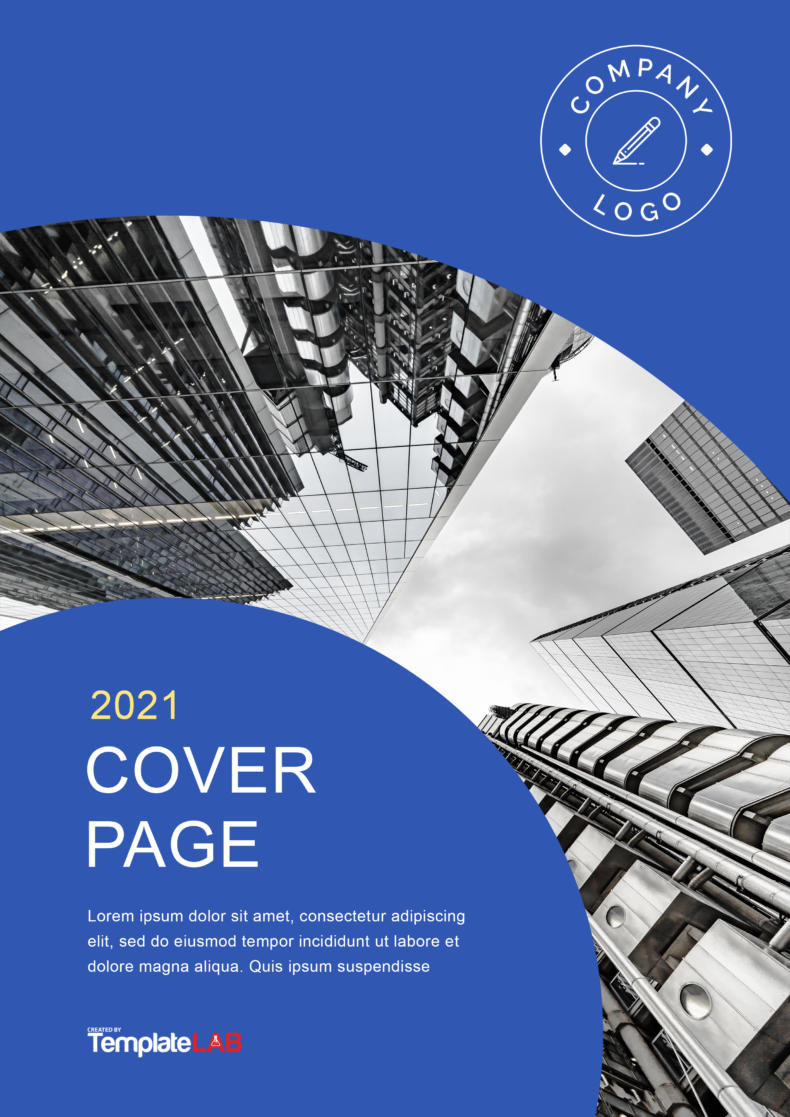
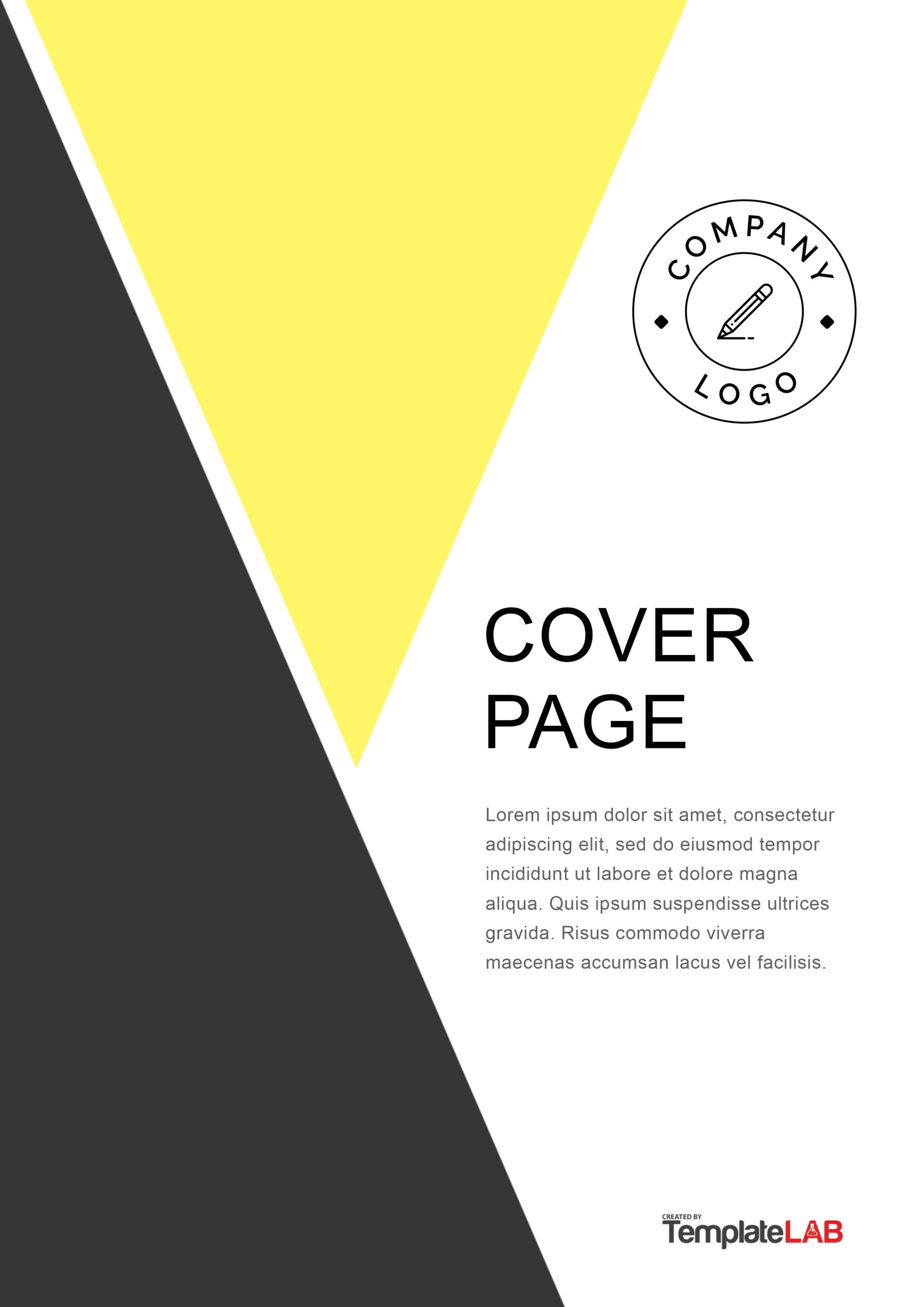
Word comes with a selection of built-in Word Title Page Templates that cover a variety of styles, from formal academic layouts to more contemporary designs. To access these templates, go to the “File” tab, select “New,” and then search for “Title Page.” You’ll find a gallery of templates categorized by theme. Simply choose a template that aligns with your document’s purpose and content, and Word will automatically populate it with placeholder text and images. This is the quickest and easiest way to create a professional-looking title page.
Creating a Title Page from Scratch
While templates are convenient, sometimes you need a completely custom title page. Starting from scratch gives you maximum control over the design. Begin by creating a new blank document and setting the page margins to your desired width. Then, use the “Insert” tab to add text boxes for the title, subtitle, author name, date, and any other relevant information. Pay close attention to font choices, spacing, and alignment to ensure a visually balanced and professional appearance.
Formatting and Styling Your Title Page
Once you’ve created the basic structure of your title page, it’s time to focus on formatting and styling. Consistent formatting is crucial for creating a polished and professional look.

Typography: Choosing the Right Fonts
The font you choose significantly impacts the overall aesthetic of your title page. For formal documents, classic serif fonts like Times New Roman or Garamond are often preferred. For more contemporary designs, sans-serif fonts like Arial or Calibri can work well. Consistency is key – stick to one or two fonts throughout the entire title page. Consider the readability of the font size and style, ensuring that all text is easily legible.
Alignment and Spacing
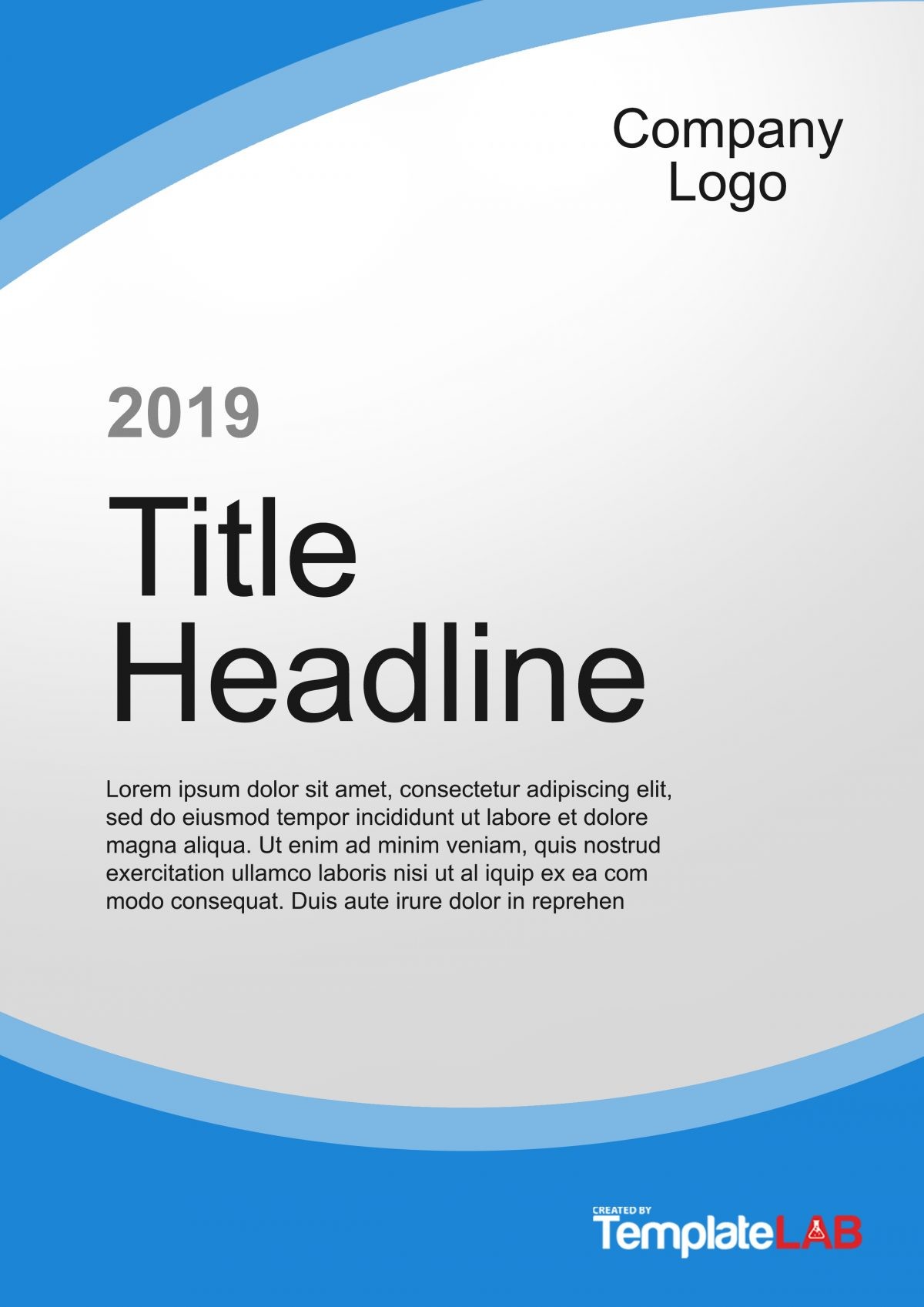
Proper alignment and spacing are essential for creating a visually balanced and uncluttered title page. Use the “Align” and “Spacing” options in the “Home” tab to adjust the alignment of text boxes and the spacing between lines and paragraphs. Pay particular attention to the spacing between the title and subtitle, and between the author name and date. Sufficient white space can help to draw attention to the key elements of the title page.
Adding Images and Graphics
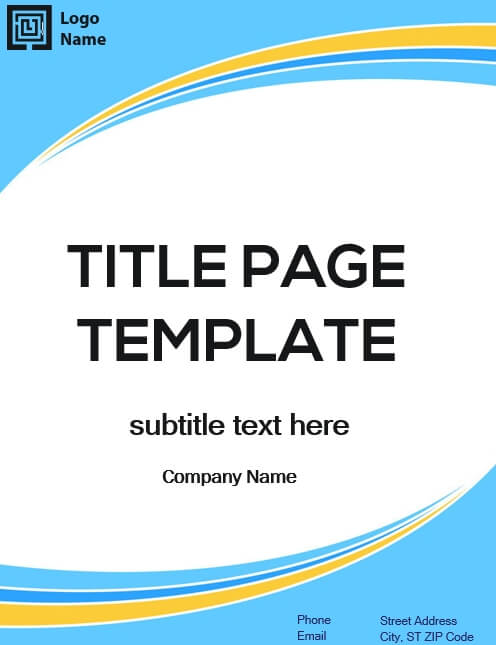
Images and graphics can add visual interest and enhance the overall design of your title page. However, it’s important to use them judiciously and ensure that they are relevant to the document’s content. Insert images from your computer or online sources using the “Insert” tab. Resize and position images carefully to avoid overcrowding the title page. Consider using a subtle watermark or background image to add a touch of sophistication.
Advanced Title Page Techniques
Beyond the basics, Word offers several advanced techniques for creating truly stunning title pages.

Incorporating Logos and Watermarks
Adding your organization’s logo or a watermark can reinforce branding and add a professional touch. To insert a logo, go to the “Insert” tab and select “Picture.” Then, choose “From File” and select your logo image. Resize and position the logo carefully, ensuring that it doesn’t obscure any other text. Watermarks can be created using the “Design” tab, under “Page Borders.”

Using Header and Footer
The header and footer sections of a Word document can be used to include information such as the document title, page number, or date. To access the header and footer, double-click in the top or bottom margin of the page. Use the “Insert” tab to add text boxes, images, or other elements to the header and footer. Ensure that the header and footer are formatted consistently with the rest of the title page.

Customizing Margins and Page Size
Adjusting the margins and page size can help to optimize the layout of your title page. To change the margins, go to the “Layout” tab and select “Margins.” To change the page size, go to the “Layout” tab and select “Size.” Experiment with different margins and page sizes to find the optimal balance between content and visual appeal.

Word Title Page Templates: Specific Examples and Customization
Let’s look at some specific examples of how to utilize Word Title Page Templates and customize them for different purposes.
Academic Title Pages
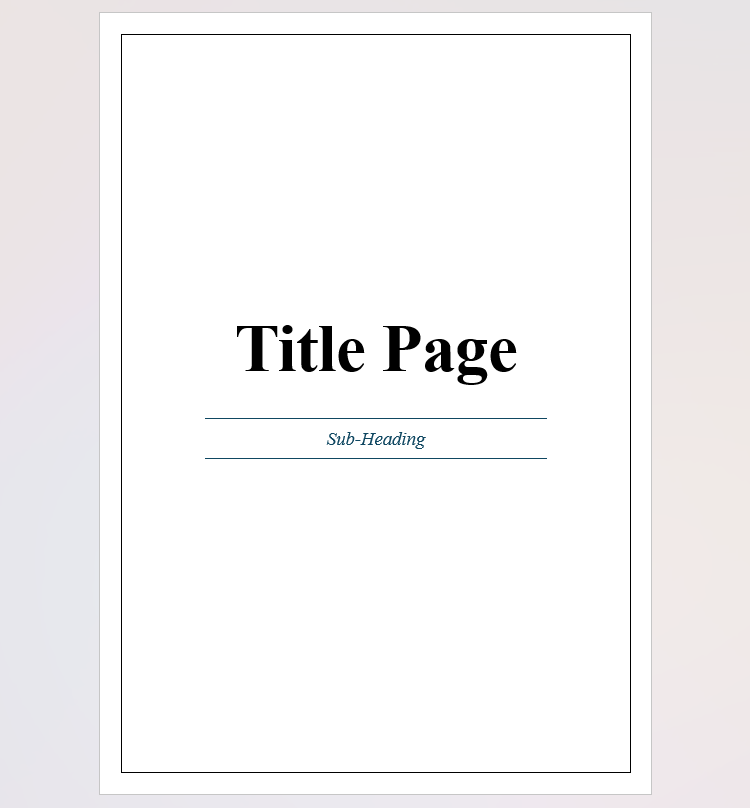
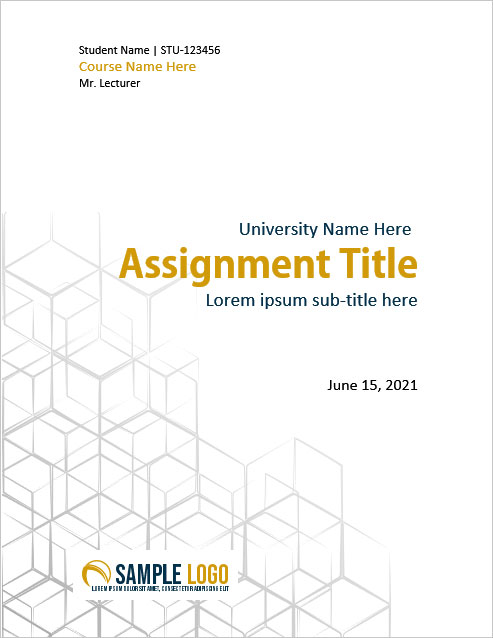
For academic papers, a formal and traditional title page is essential. Start with a template that includes placeholders for the title, author name, institution, course name, and date. Use a serif font like Times New Roman and a font size of 12 points for the main text. Include the institution’s logo in the header or footer. Consider adding a subtle watermark with the course name or department logo.
Resume Title Pages
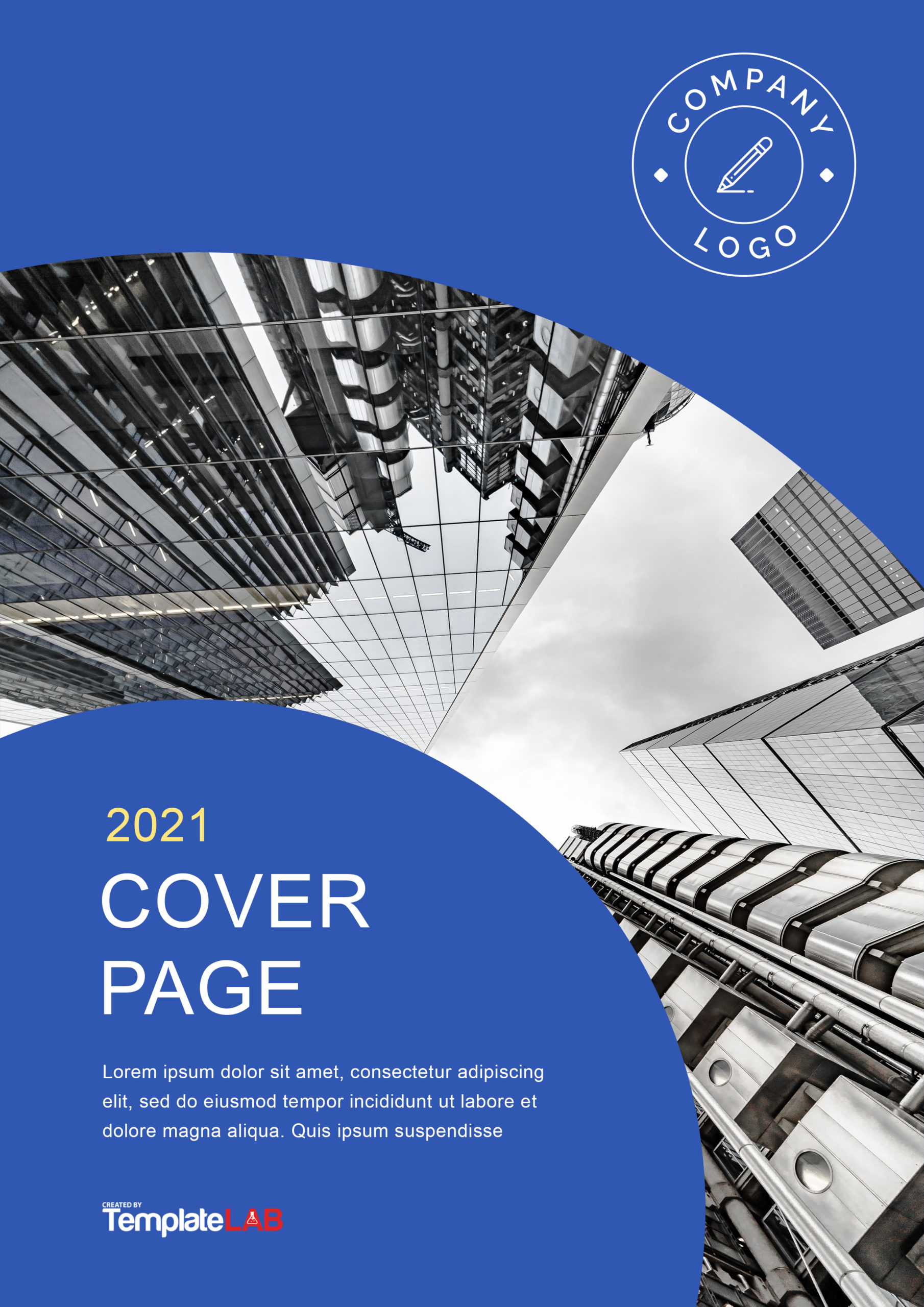
Resume title pages should be clean, concise, and visually appealing. Choose a template that highlights your contact information and professional summary. Use a sans-serif font like Arial or Calibri and a font size of 11 points. Include a professional headshot if appropriate. Ensure that the layout is easy to read and scan.
Presentation Title Pages
Presentation title pages should be eye-catching and engaging. Use a template that incorporates images or graphics to capture the audience’s attention. Choose a font that is legible from a distance. Include the presentation title, presenter name, and date. Consider adding a tagline or slogan to reinforce the presentation’s theme.
Troubleshooting Common Title Page Issues
Occasionally, you may encounter issues when creating or customizing title pages in Word. Here are some common problems and their solutions.
Text Boxes Overlapping
If text boxes are overlapping, adjust their position and size using the handles in the corners. You can also use the “Wrap Text” option to control how text flows within a text box.
Image Placement Issues
If images are not appearing correctly, ensure that they are properly inserted and sized. Check the image’s resolution and file format. If the image is blurry, try using a higher-resolution version.
Formatting Inconsistencies
If the formatting is inconsistent, review the document’s styles and settings. Use the “Styles” pane to apply consistent formatting to all text elements.
Conclusion
Creating effective Word Title Page Templates is a fundamental skill for anyone who regularly produces professional documents. By understanding the available tools and techniques, you can quickly and easily generate visually appealing and impactful title pages that enhance the overall quality of your work. Whether you’re creating an academic paper, a resume, or a presentation, a well-designed title page sets the stage for success. Remember to prioritize consistency, readability, and visual balance, and don’t be afraid to experiment with different fonts, images, and layouts to achieve a truly unique and memorable presentation. Mastering these techniques will not only save you time and effort but also elevate your professional image.
]]>