Site Visit Report Template
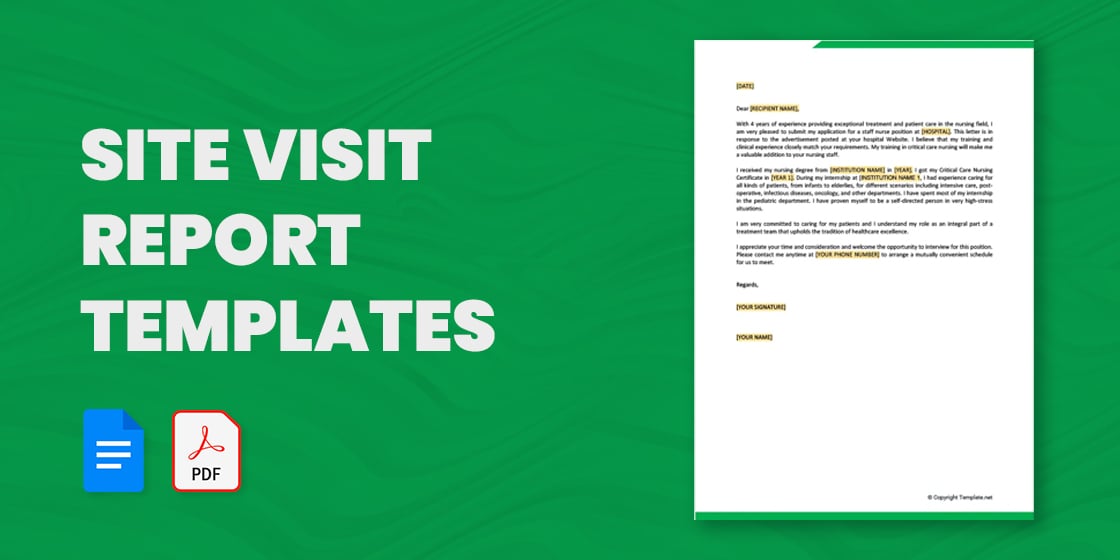
Site Visit Report Template
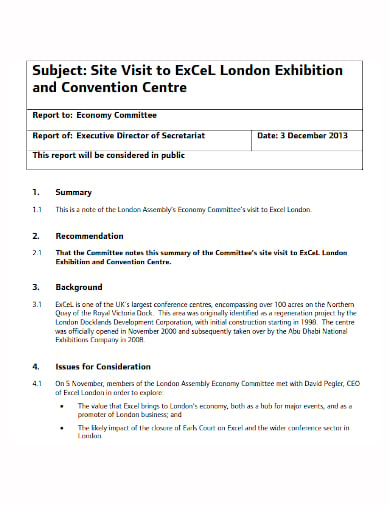
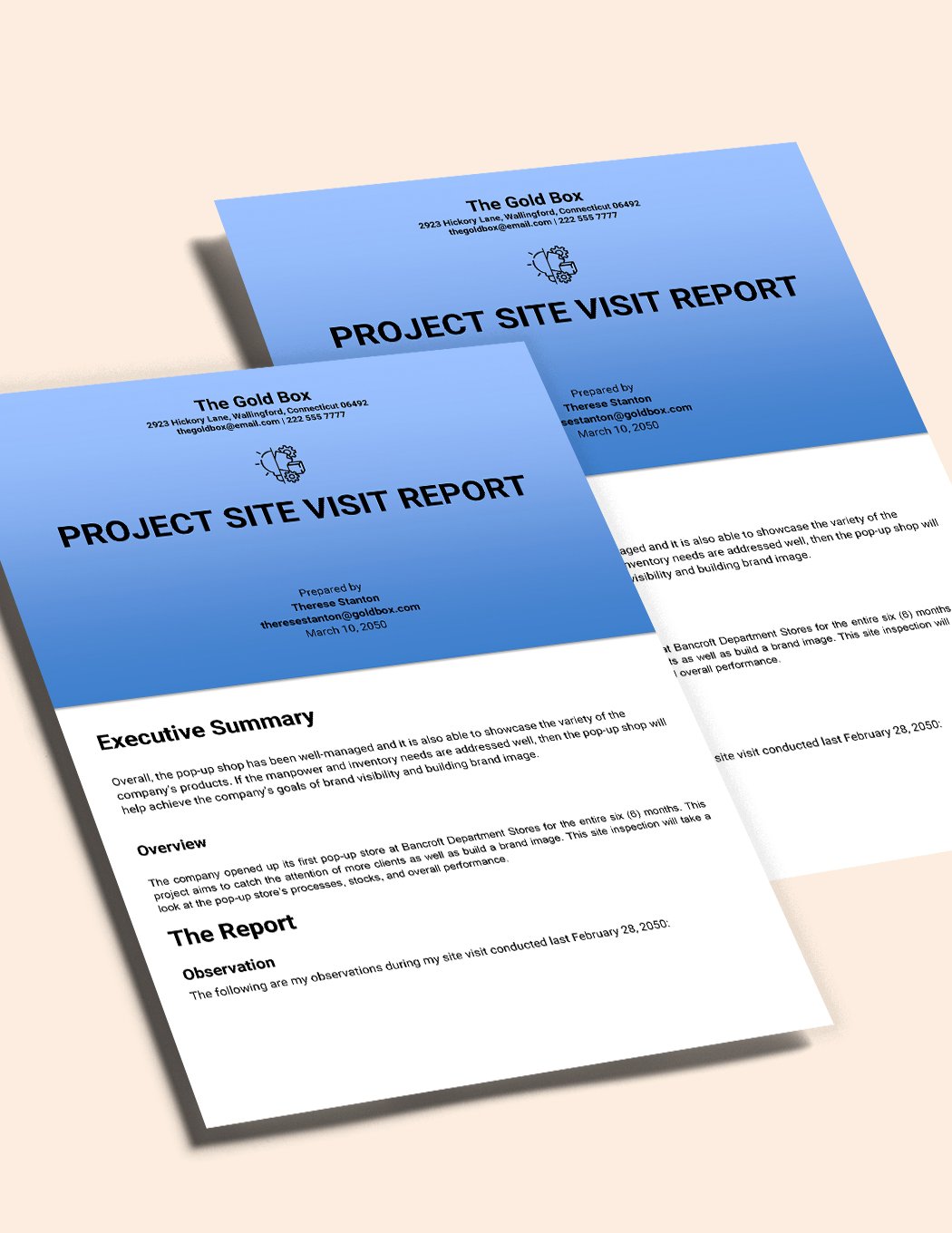
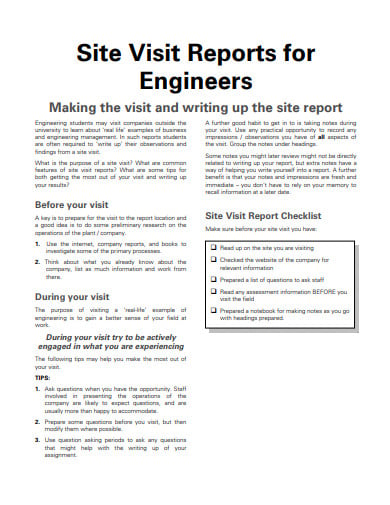
Effective site visits are crucial for a variety of business operations, from ensuring quality control and adherence to safety regulations to gathering valuable insights for process improvement and identifying potential risks. To ensure these visits are thorough, consistent, and the information gathered is readily usable, a well-structured site visit report template is essential. A comprehensive report provides a clear record of the visit, detailing observations, findings, and any corrective actions required. It’s more than just a checklist; it’s a documented assessment that drives positive change within an organization. Choosing the right template can significantly streamline the reporting process, ensuring that key data isn’t missed and that insights are quickly communicated to relevant stakeholders. This article will delve into the components of an effective site visit report, explore different template options, and provide guidance on how to create a report that delivers actionable intelligence.
Why Use a Site Visit Report Template?
A site visit report template offers numerous benefits, streamlining the process and improving the quality of information gathered. Without a template, reports can be inconsistent, incomplete, and difficult to analyze. This can lead to overlooked issues, delayed corrective actions, and a lack of valuable insights.

Consistency and Standardization
Templates ensure all site visits are assessed using the same criteria, guaranteeing consistency in reporting. This makes it easier to compare data across different locations, time periods, or departments. A standardized approach also minimizes subjective interpretations and biases.
Improved Data Collection
A template prompts visitors to gather specific data points, ensuring critical information isn’t missed. Predefined fields and sections guide the process, reducing the likelihood of overlooking important details. This structured approach leads to more reliable and accurate data.
Enhanced Communication
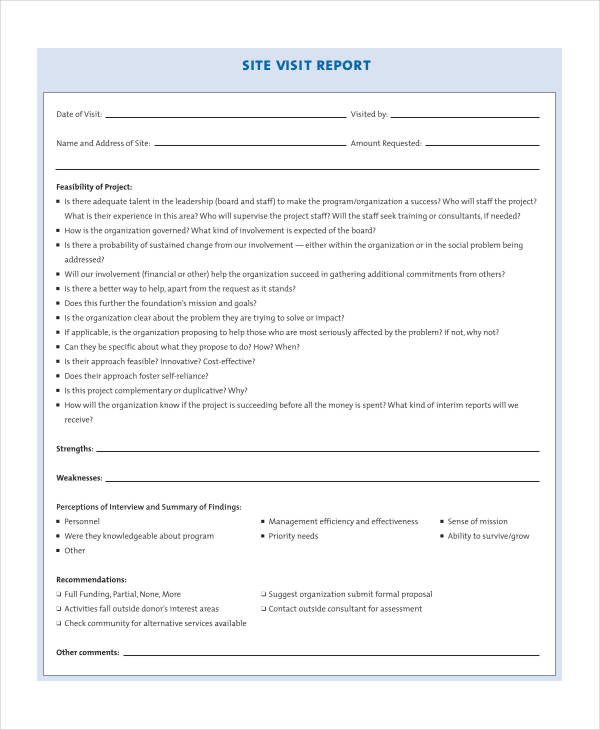
A well-formatted report makes it easier to communicate findings to stakeholders. Clear sections, concise language, and visual aids facilitate understanding and action. This improves collaboration and promotes efficient problem-solving.
Time Savings
Templates save time by providing a pre-structured framework. Visitors don’t have to spend time designing the report; they can focus on the assessment itself. This efficiency translates to faster reporting cycles and quicker responses to identified issues.
Essential Components of a Site Visit Report
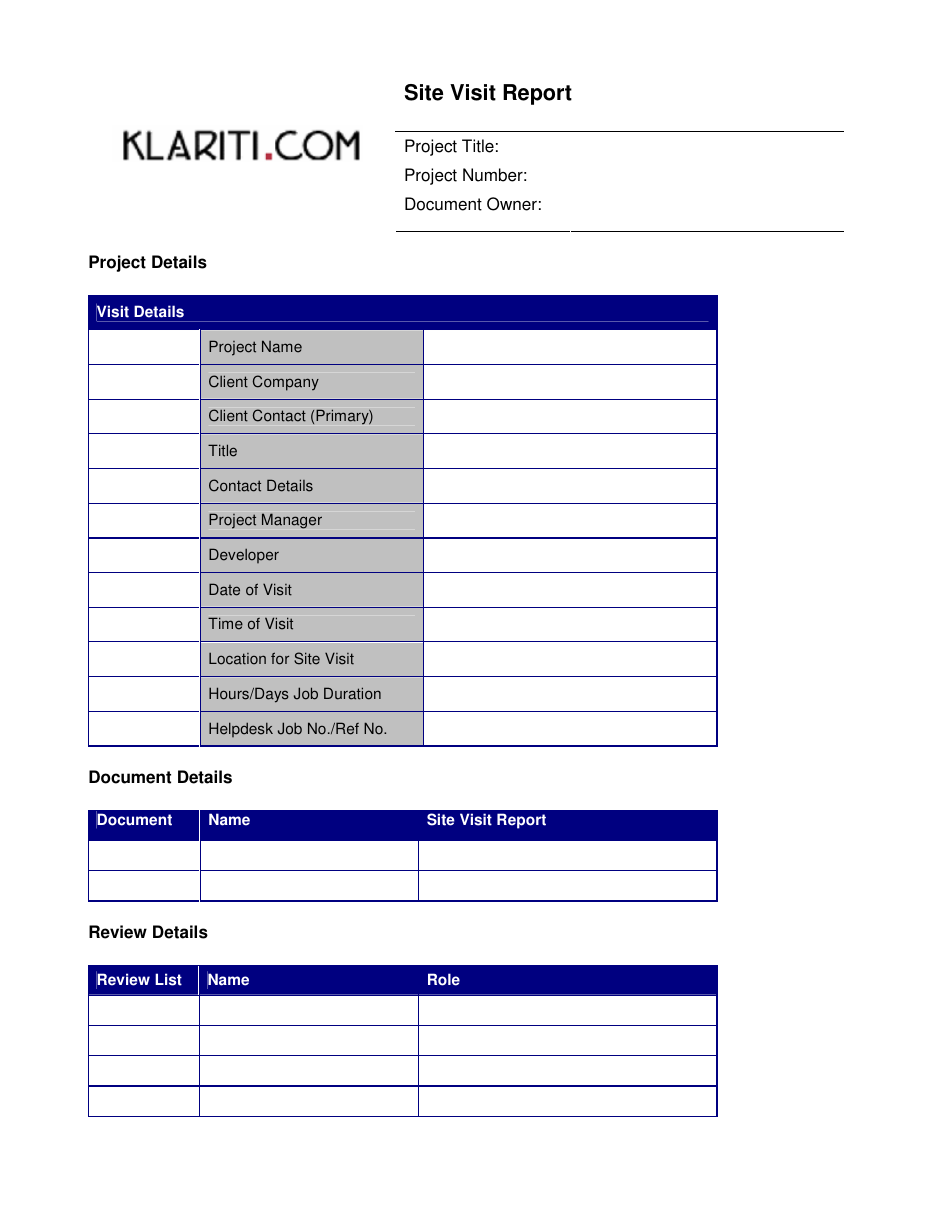
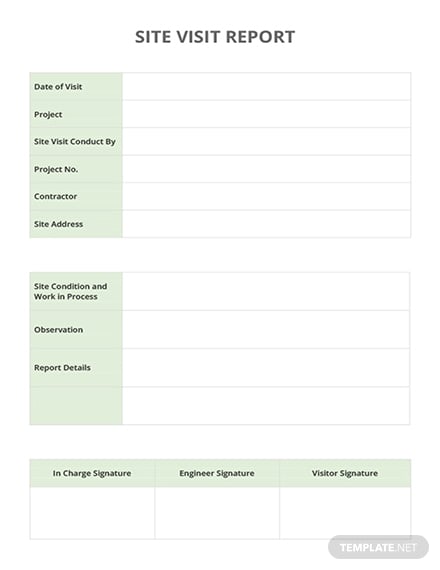
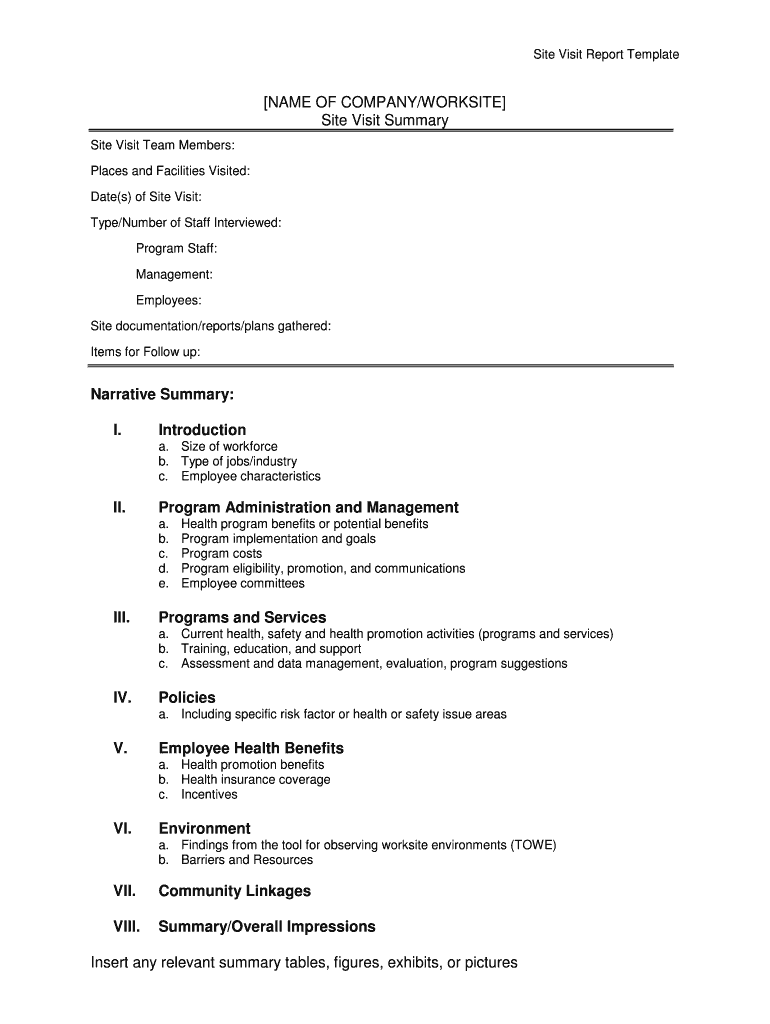
A comprehensive site visit report template should include the following key components:
Basic Information
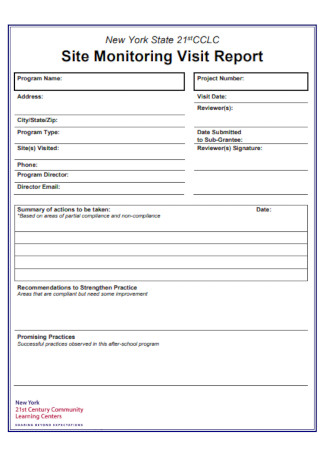
- Date of Visit: The date the site visit took place.
- Location: The specific location being visited (address, facility name).
- Visitor(s): Names and titles of the individuals conducting the visit.
- Purpose of Visit: A clear statement outlining the reason for the site visit (e.g., quality audit, safety inspection, process review).
- Document/Reference Numbers: Any relevant document numbers (e.g., audit report number, process instruction number).
Observations
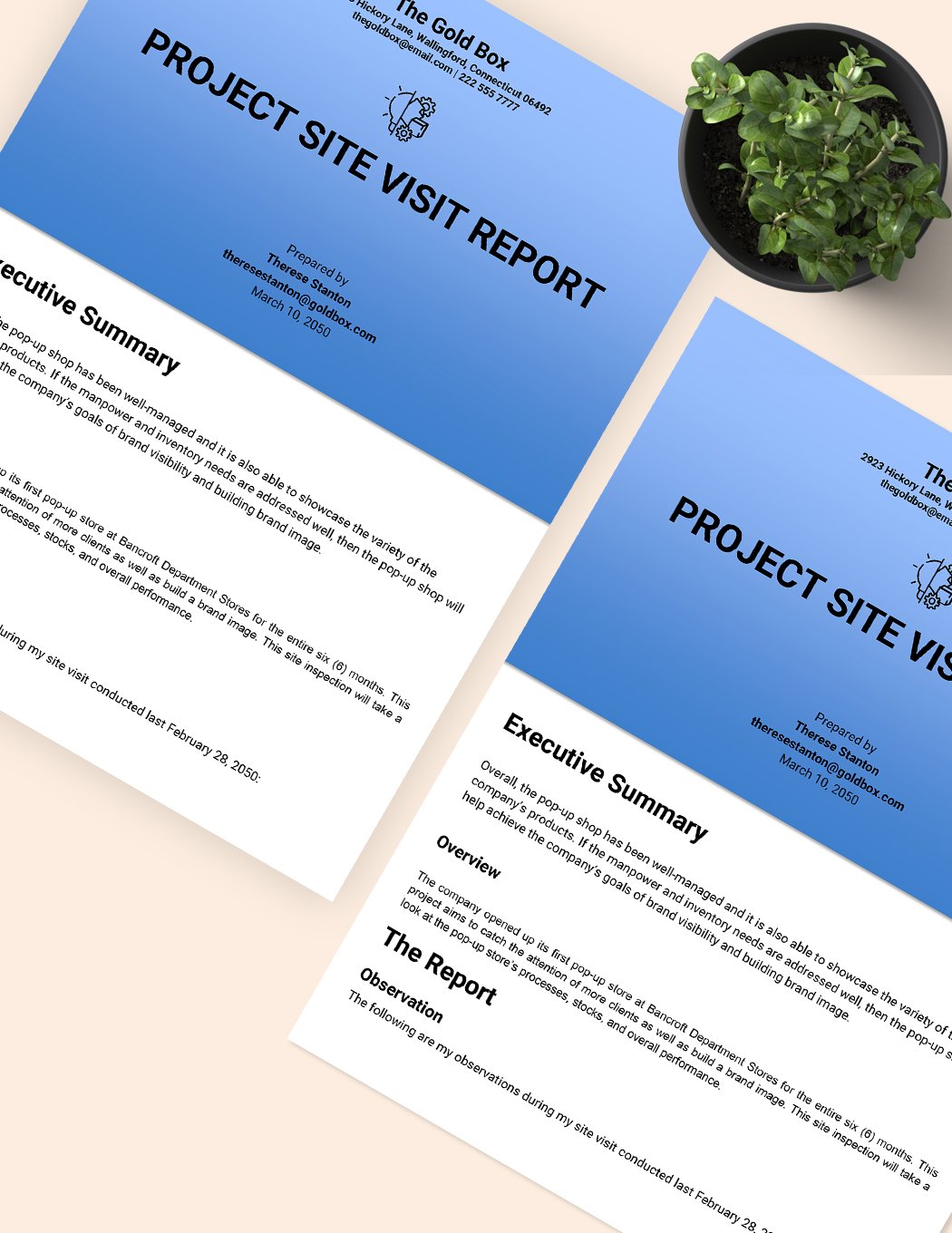
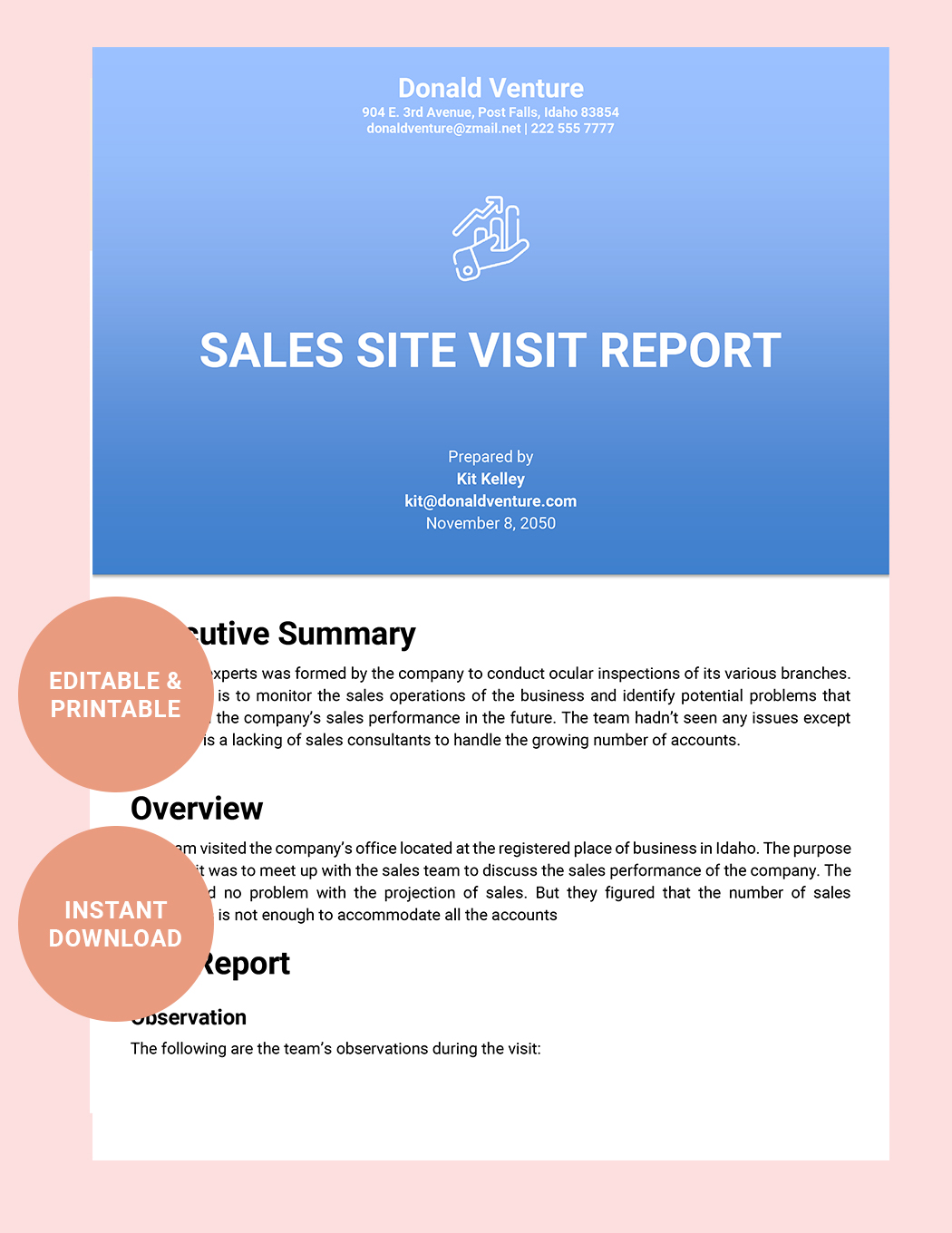
This is the core of the report and should detail all observations made during the site visit. It’s beneficial to categorize observations for clarity.
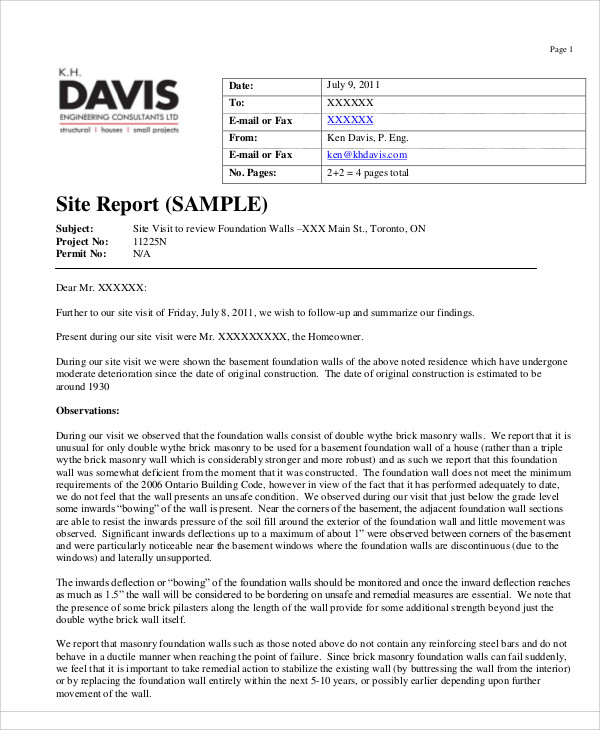
- General Observations: Overall impressions of the site, including cleanliness, organization, and maintenance.
- Process Observations: Detailed descriptions of specific processes being observed, noting any deviations from standard operating procedures (SOPs).
- Equipment Observations: Assessments of equipment condition, functionality, and maintenance records.
- Safety Observations: Identification of any safety hazards or violations of safety protocols.
- Compliance Observations: Assessment of compliance with relevant regulations and standards.
Findings and Issues
This section summarizes the key findings based on the observations. It should clearly identify any problems or areas for improvement.
- Issue Description: A detailed description of each issue identified.
- Severity Level: A rating of the issue’s severity (e.g., critical, major, minor). A simple scale can be used (e.g., 1-5).
- Potential Impact: An assessment of the potential consequences of the issue (e.g., production delays, quality defects, safety risks).
Types of Site Visit Report Templates
Different types of site visits require tailored templates. Here are some common types:
Quality Control Site Visit Report
This template focuses on assessing product quality and identifying potential defects. Key sections include:
- Statistical Process Control (SPC) data
- Defect rates
- Material traceability
- Calibration records
Safety Inspection Site Visit Report
This template prioritizes safety and identifies potential hazards. Sections include:
- Hazard identification
- Safety protocol compliance
- Emergency preparedness
- Personal Protective Equipment (PPE) usage
Regulatory Compliance Site Visit Report
This template is used to assess compliance with specific regulations and standards (e.g., FDA, EPA). Sections include:
- Regulatory requirements
- Compliance status
- Documentation review
- Corrective action plans
Process Improvement Site Visit Report
This template is utilized to identify opportunities for process optimization and efficiency gains. Sections include:
- Process flow diagrams
- Bottleneck analysis
- Waste identification
- Proposed improvements
Creating an Effective Site Visit Report Template
Building a robust site visit report template involves careful consideration of the specific needs of the organization. Here are some tips for creating an effective template:
Define the Purpose
Clearly define the purpose of the report and the information it needs to capture.
Identify Key Stakeholders
Involve key stakeholders in the template design process to ensure it meets their needs.
Use Clear and Concise Language
Avoid jargon and technical terms that may not be understood by all users.
Incorporate Visual Aids
Use charts, graphs, and photos to present data in a visually appealing and easily digestible format.
Make it User-Friendly
Ensure the template is easy to use and navigate. Use clear headings, labels, and instructions.
Technology for Site Visit Reporting
Several technologies can enhance the site visit reporting process:
Mobile Apps
Mobile apps allow visitors to collect data in real-time using their smartphones or tablets. This eliminates the need for paper-based forms and reduces data entry errors.
Cloud-Based Platforms
Cloud-based platforms enable secure storage and easy access to reports. They also facilitate collaboration and data sharing among stakeholders.
Data Analytics Tools
Data analytics tools can be used to analyze site visit data and identify trends. This can help organizations proactively address issues and improve performance.
Digital Checklists
Digital checklists ensure all necessary items are reviewed during the site visit and provide a standardized format for recording observations.
Implementing a Site Visit Reporting System
Implementing a successful site visit reporting system requires careful planning and execution.
Training
Provide thorough training to visitors on how to use the template and reporting system.
Data Validation
Implement data validation procedures to ensure the accuracy and completeness of reports.
Regular Review
Regularly review the reporting system to identify areas for improvement. Solicit feedback from users to ensure the template remains relevant and effective.
Conclusion
A well-designed site visit report template is an invaluable tool for organizations seeking to improve operational efficiency, ensure quality, and maintain compliance. By focusing on clarity, consistency, and user-friendliness, you can create a report that delivers actionable intelligence and drives positive change. From standardized data collection to enhanced communication and improved decision-making, the benefits of a comprehensive site visit reporting system are significant. Choosing the right template, leveraging available technology, and implementing a robust reporting process are key to maximizing the value of site visits and achieving organizational goals. Remember to tailor the template to your specific needs and regularly review it to ensure it remains effective over time.
Conclusion
In conclusion, implementing a comprehensive site visit report template is a crucial investment for any organization committed to continuous improvement, quality assurance, and regulatory compliance. The benefits extend far beyond simply documenting visits; they encompass improved data accuracy, enhanced communication, proactive problem-solving, and ultimately, a stronger, more resilient operation. By strategically selecting and utilizing the right template, combined with appropriate technology and thorough training, businesses can unlock the full potential of site visits and drive tangible results. Regular review and adaptation of the template are essential to maintain its relevance and effectiveness as the organization evolves.
]]>