Qsl Card Template
Introduction
For amateur radio operators, the thrill of making contact with someone across town or across the globe is a unique and rewarding experience. But the contact isn’t truly complete until it’s confirmed – and that’s where the QSL card comes in. These small, colorful cards serve as proof of a radio connection and are treasured by hams worldwide as collectibles and evidence of their radio prowess. Finding the right way to create these confirmations can be daunting, which is why a Qsl Card Template is an invaluable resource for both new and seasoned operators. It provides a starting point for designing a card that reflects your station and your personal style.
The tradition of QSL cards dates back to the early days of radio communication, evolving from simple postcards to the more elaborate designs we see today. They aren’t just about verifying a contact; they’re about building camaraderie within the amateur radio community. Each card represents a successful exchange of information, a shared moment of connection, and a testament to the skill and dedication of the operators involved. The information exchanged on a QSL card is standardized, allowing for easy verification and logging of contacts.
Creating a QSL card used to require significant artistic skill or the expense of professional printing. However, modern technology has democratized the process. Digital tools and readily available Qsl Card Templates empower hams to design and print their own cards, customizing them to their exact specifications. This allows for greater creativity and personalization, making each card a unique representation of the operator and their station.
Whether you’re a contest enthusiast, a DX chaser, or simply enjoy casual ragchewing, a well-designed QSL card is an essential part of the amateur radio experience. It’s a tangible reminder of your accomplishments and a valuable contribution to the hobby’s rich history.
Understanding QSL Cards and Their Importance
What is a QSL Card?
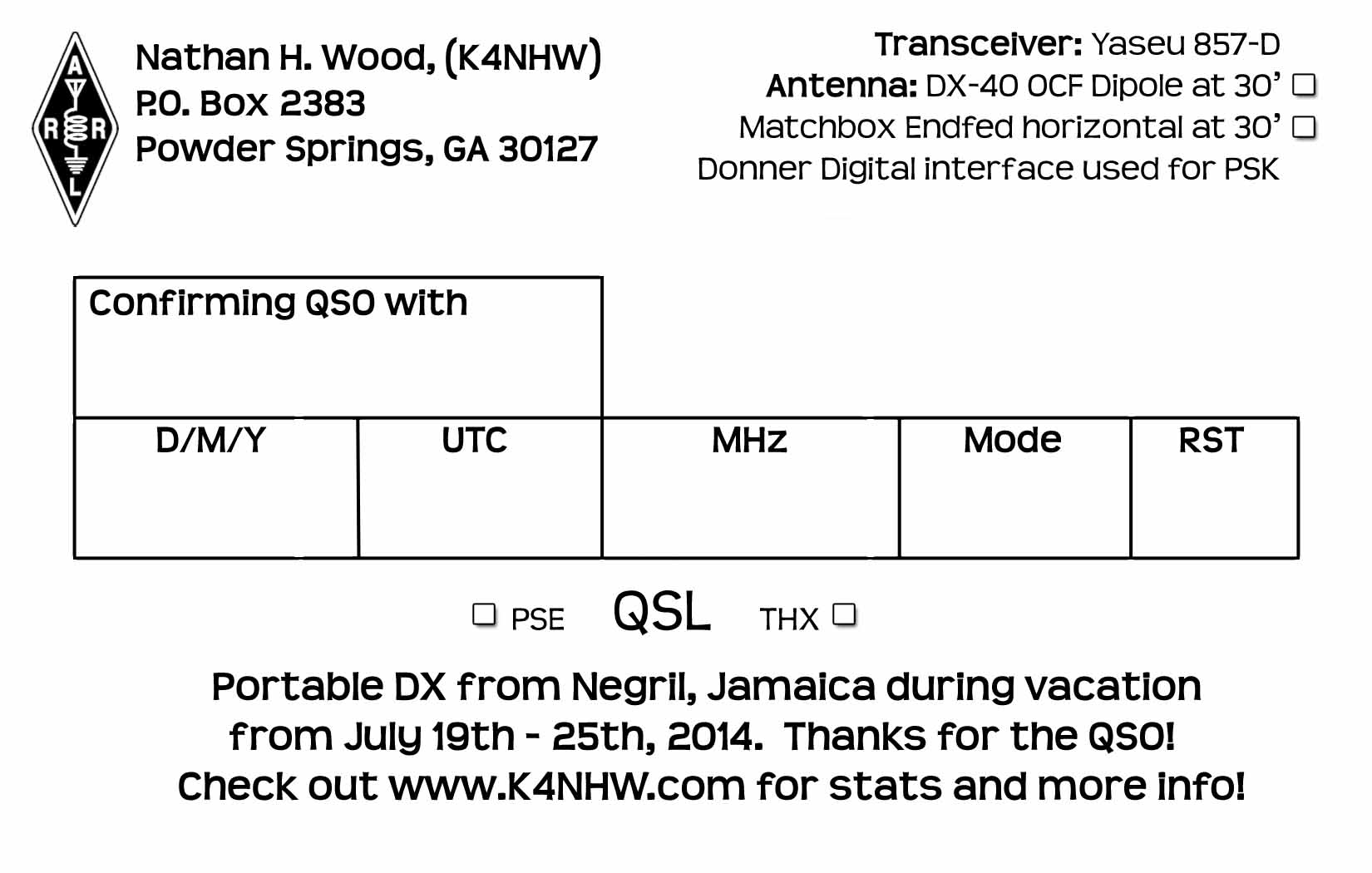
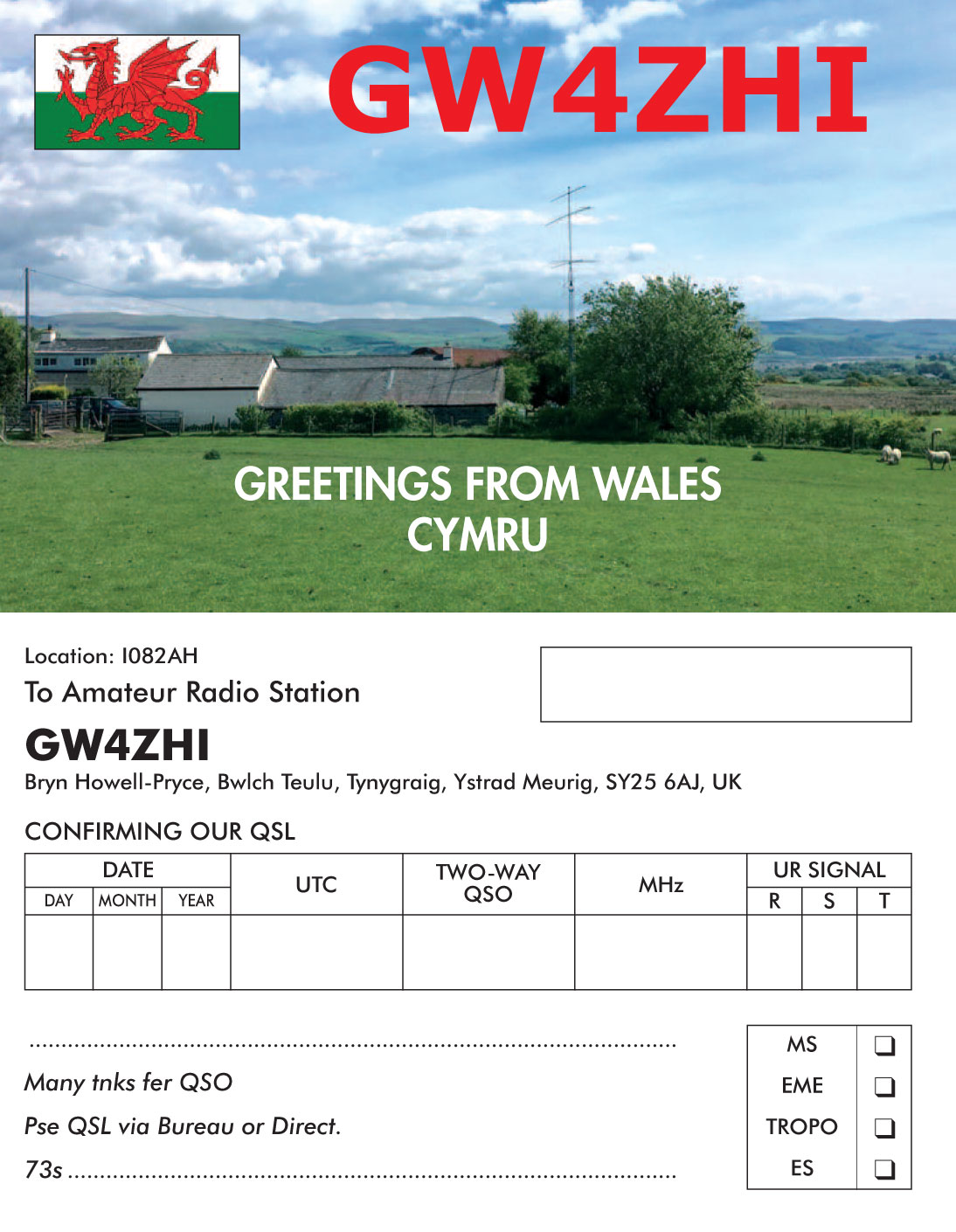
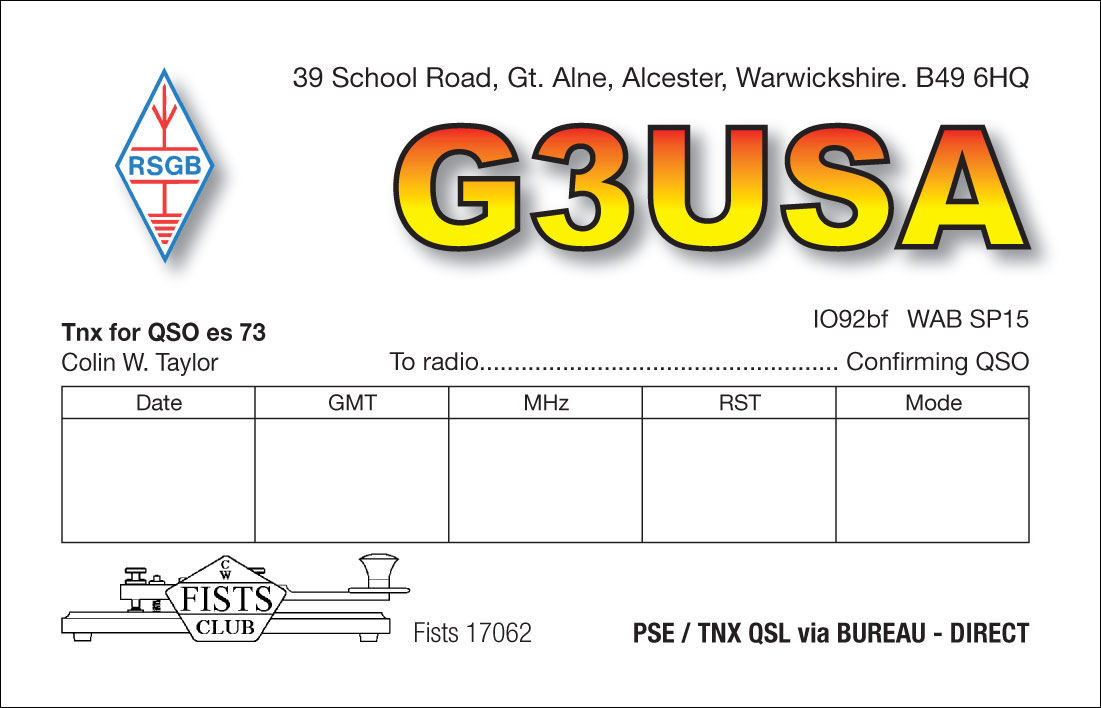
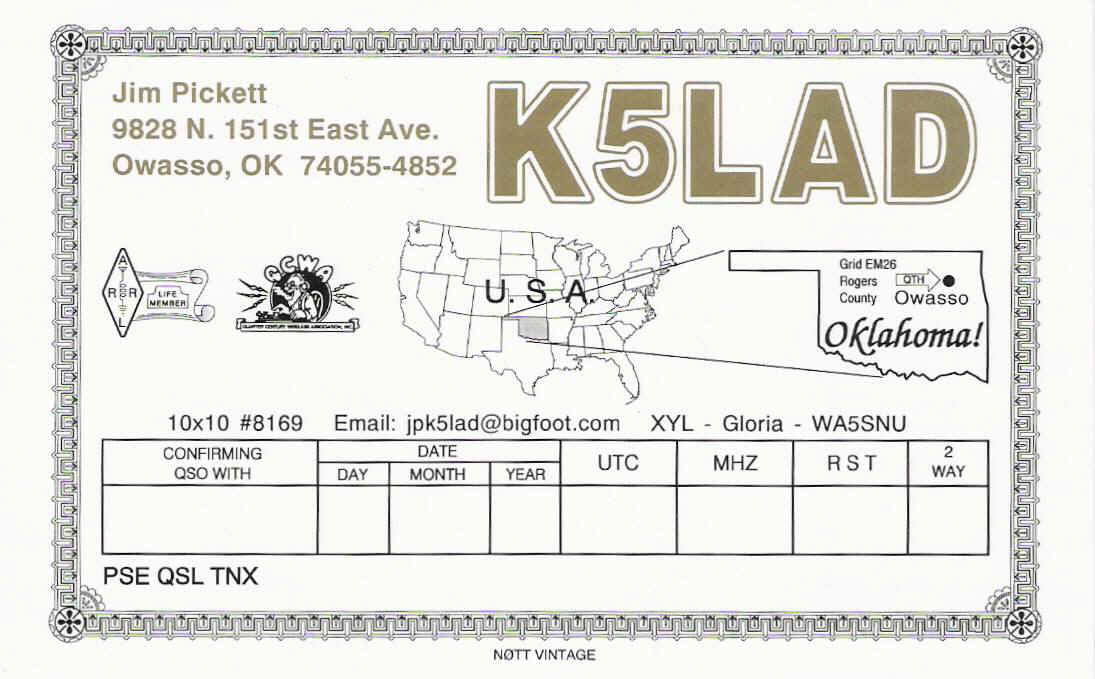
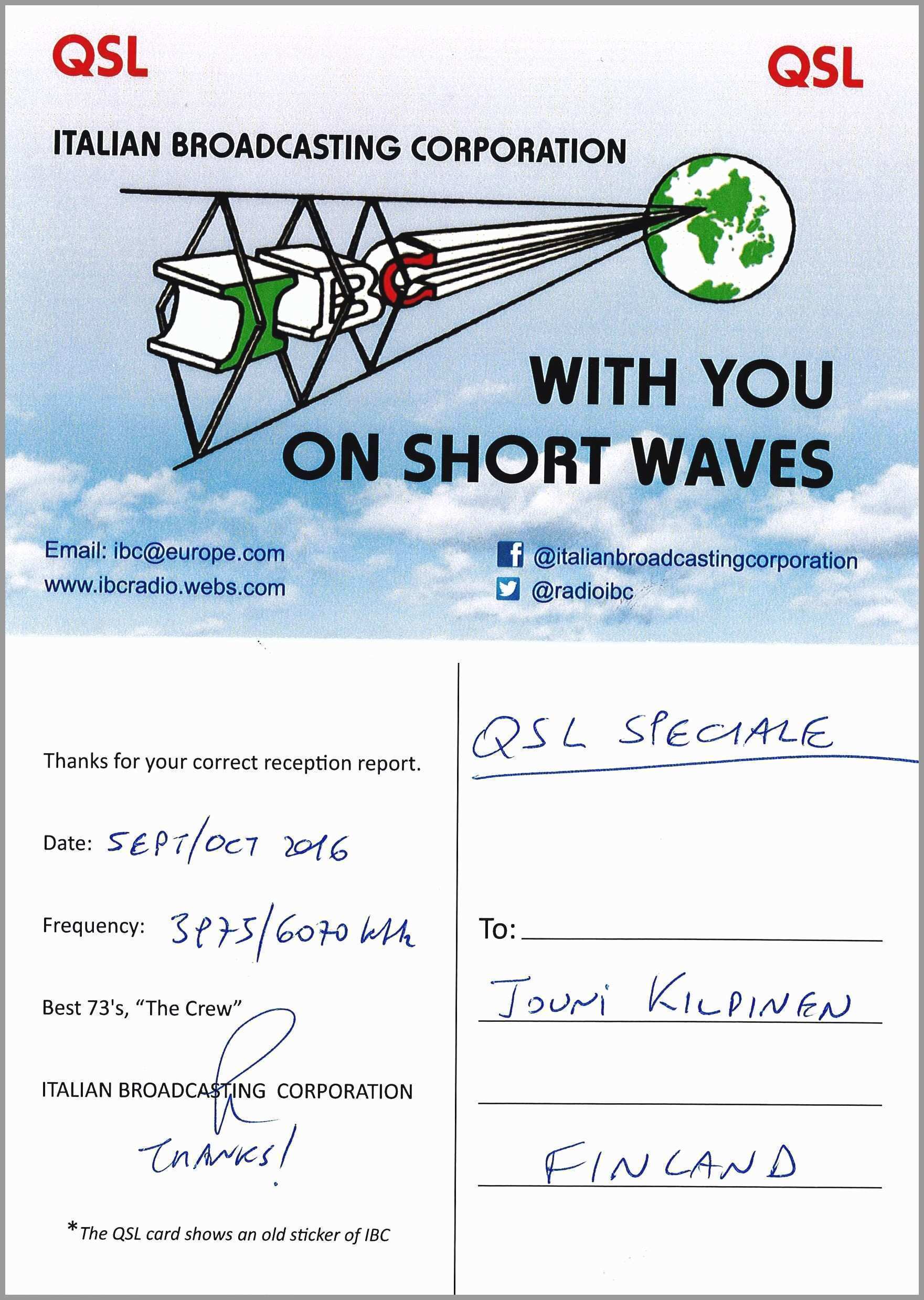
A QSL card is a written confirmation of a two-way radio communication between two amateur radio stations. The term “QSL” comes from the Q code used in Morse code, meaning “I acknowledge receipt.” Traditionally, QSL cards are postcard-sized, though variations in size and material exist. They contain specific information about the contact, including callsigns, frequencies, dates, times, signal reports, and modes used. Beyond the technical details, many cards feature artwork, station photos, or personal touches that reflect the operator’s interests.

Why are QSL Cards Important?
While digital logging and online QSL services are increasingly popular, physical QSL cards remain a vital part of the amateur radio hobby for several reasons. They provide a physical record of your contacts, which can be a satisfying and tangible accomplishment. They are also essential for participating in awards programs like DX Century Club (DXCC) and Worked All States (WAS), which require verified QSL cards as proof of contacts.
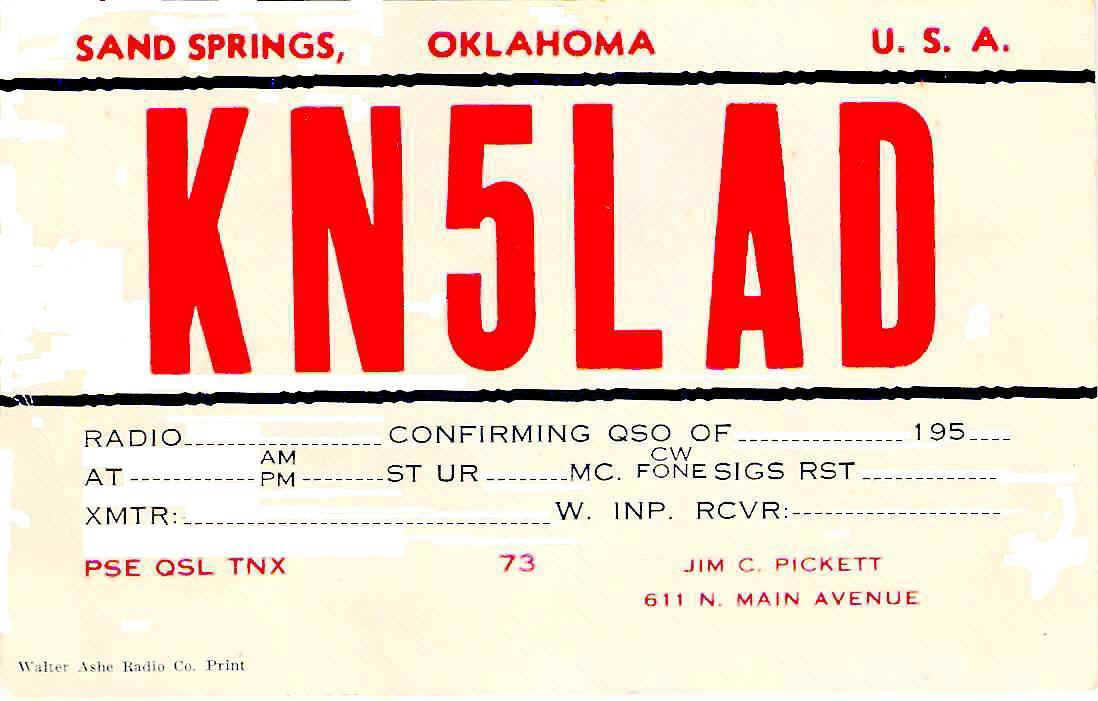
Furthermore, QSL cards foster a sense of community among hams. Receiving a QSL card from a distant station is a rewarding experience, and sending one back is a gesture of goodwill and recognition. The exchange of QSL cards builds relationships and strengthens the bonds within the global amateur radio community. Finally, QSL cards are collectible items, with many hams maintaining extensive collections that represent years of dedication to the hobby.
Finding the Right Qsl Card Template
Types of Templates Available
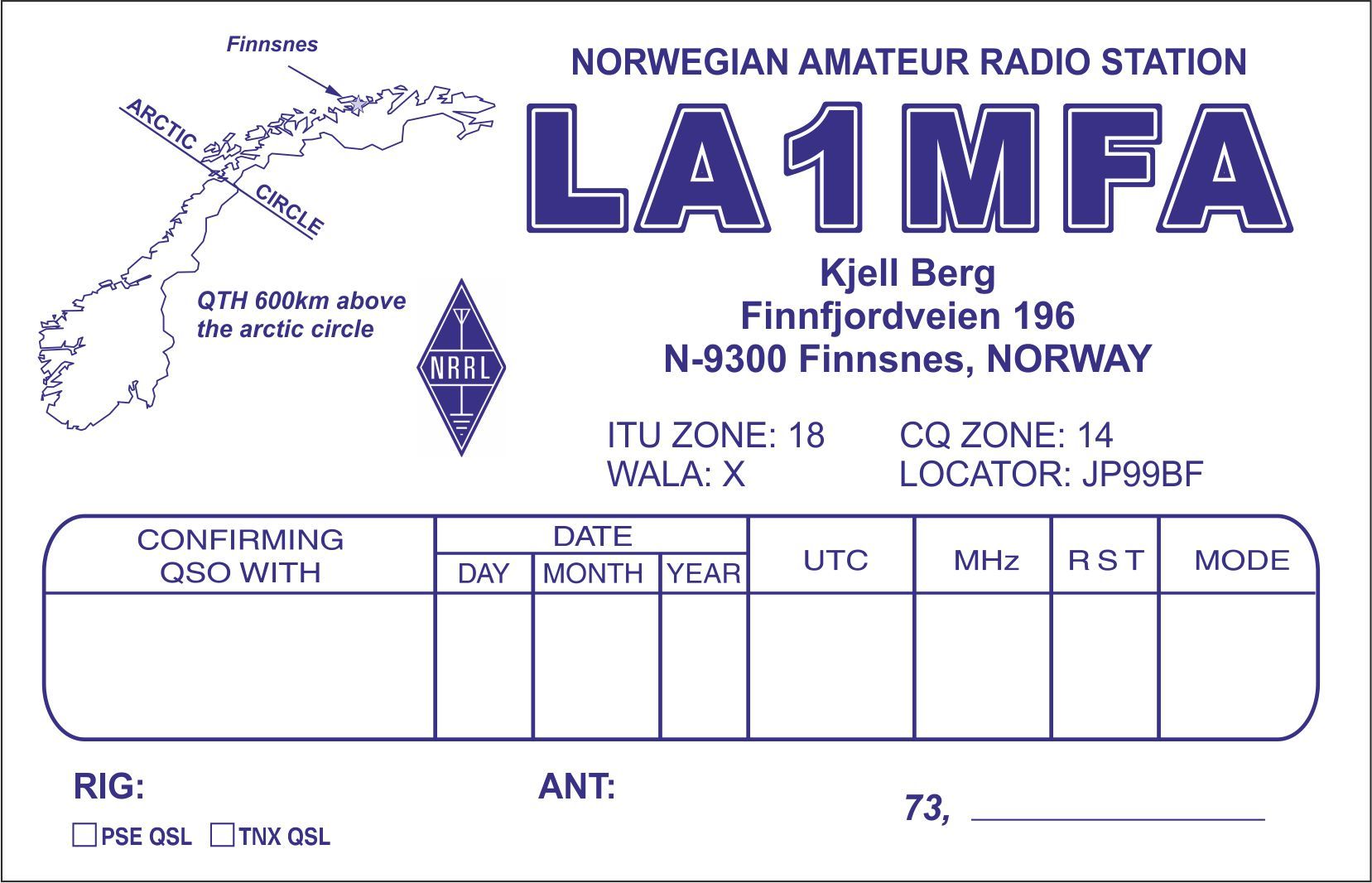
There’s a wide variety of Qsl Card Templates available, ranging from simple, minimalist designs to elaborate, full-color layouts. You can find templates online through various sources, including:
- Dedicated QSL Card Design Websites: Several websites specialize in providing QSL card templates, often with customization options and printing services.
- Amateur Radio Clubs and Organizations: Many clubs offer free or low-cost templates to their members.
- Software Packages: Some amateur radio logging software includes built-in QSL card design tools and templates.
- Online Marketplaces: Platforms like Etsy and eBay offer a selection of pre-designed and customizable QSL card templates.
Templates can be categorized based on their complexity, style, and features. Some templates are designed for specific modes (e.g., CW, SSB, digital), while others are more general-purpose. Consider your personal preferences and the overall aesthetic you want to achieve when choosing a template.
Key Features to Look For in a Template
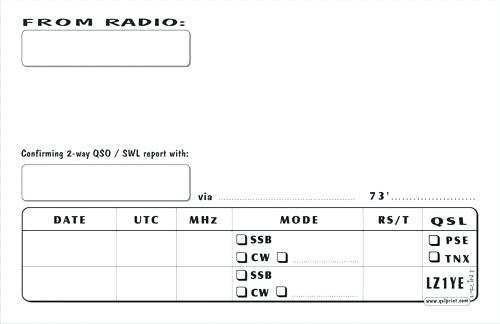
When selecting a Qsl Card Template, consider the following features:
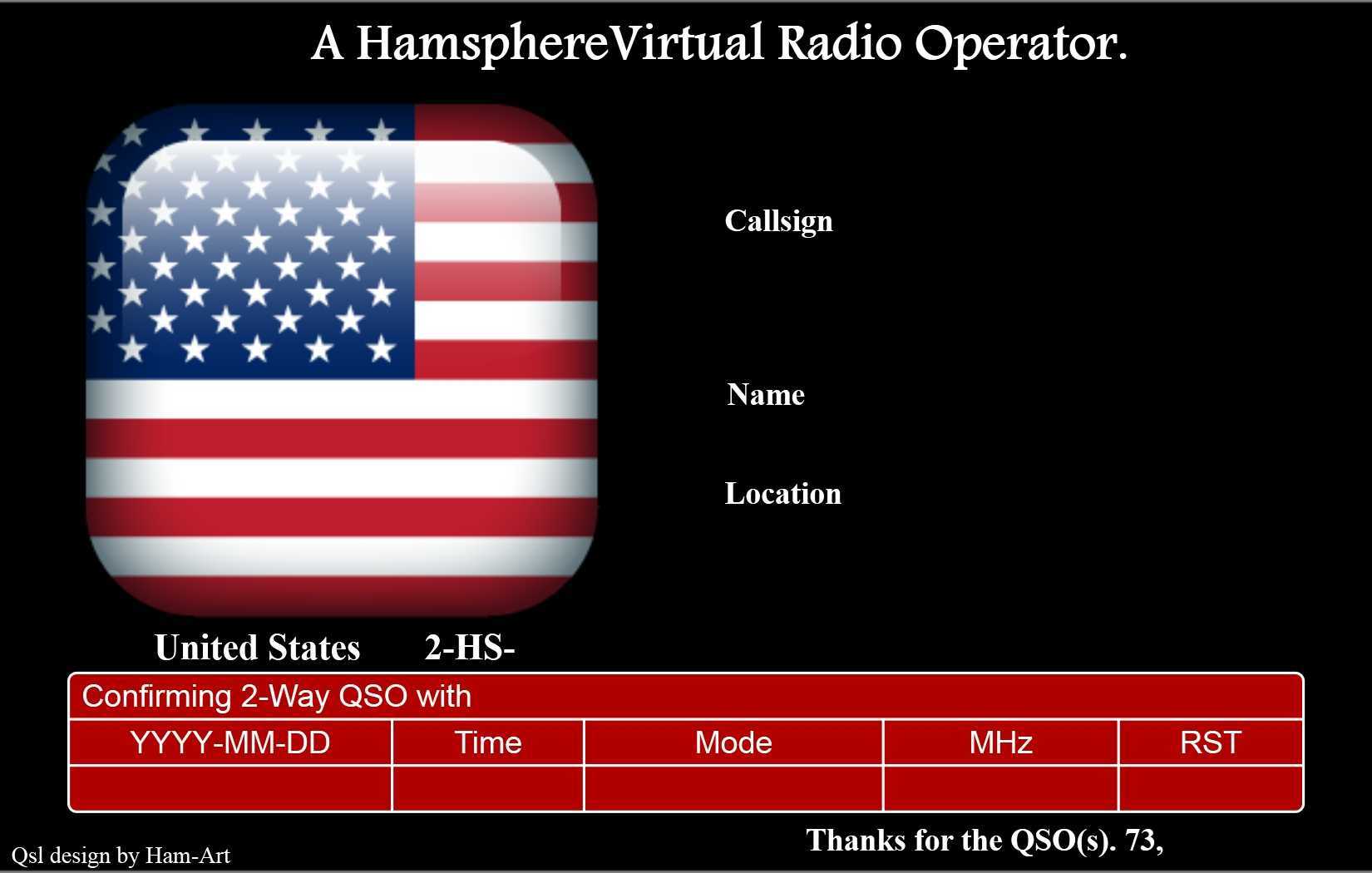
- Customizability: The ability to easily edit text, add images, and change colors is crucial.
- Layout: Choose a layout that is clear, organized, and visually appealing.
- File Format: Ensure the template is compatible with your design software (e.g., PDF, PSD, AI).
- Printability: The template should be designed for easy printing on standard postcard stock.
- QR Code Integration: Some templates allow you to include a QR code that links to your online logbook or QSL request page.
- Space for Essential Information: The template must have adequate space for all required information, including callsigns, dates, times, frequencies, modes, and signal reports.
Designing Your Qsl Card Using a Template
Software Options for Customization
Once you’ve chosen a Qsl Card Template, you’ll need software to customize it. Popular options include:
- Adobe Photoshop: A professional-grade image editing software with extensive design capabilities.
- Adobe Illustrator: A vector graphics editor ideal for creating scalable artwork and layouts.
- GIMP: A free and open-source image editor that offers many of the same features as Photoshop.
- Inkscape: A free and open-source vector graphics editor similar to Illustrator.
- Microsoft Word/Publisher: While not ideal for complex designs, these programs can be used for basic customization of simpler templates.
Tips for Effective Design
- Keep it Clean and Readable: Avoid clutter and use clear, legible fonts.
- Use High-Quality Images: If you’re adding photos, ensure they are high resolution and properly sized.
- Choose Colors Wisely: Select colors that complement each other and are visually appealing.
- Proofread Carefully: Double-check all text for errors before printing.
- Reflect Your Station and Interests: Personalize the card with elements that represent your station, location, or hobbies.
- Consider a QR Code: A QR code can make it easier for others to QSL you electronically.
Essential Information to Include
Regardless of the design, your QSL card must include the following information:

- Your Call Sign: Clearly displayed.
- Recipient’s Call Sign: The station you contacted.
- Date and Time of Contact: Use UTC (Coordinated Universal Time).
- Frequency: The frequency you were operating on.
- Mode: The mode of communication (e.g., SSB, CW, FT8).
- Signal Report: Typically expressed as RST (Readability, Strength, Tone) or SNR (Signal-to-Noise Ratio).
- Location: Your grid square is helpful.
Printing and Sending Your QSL Cards
Printing Options
You have several options for printing your QSL cards:
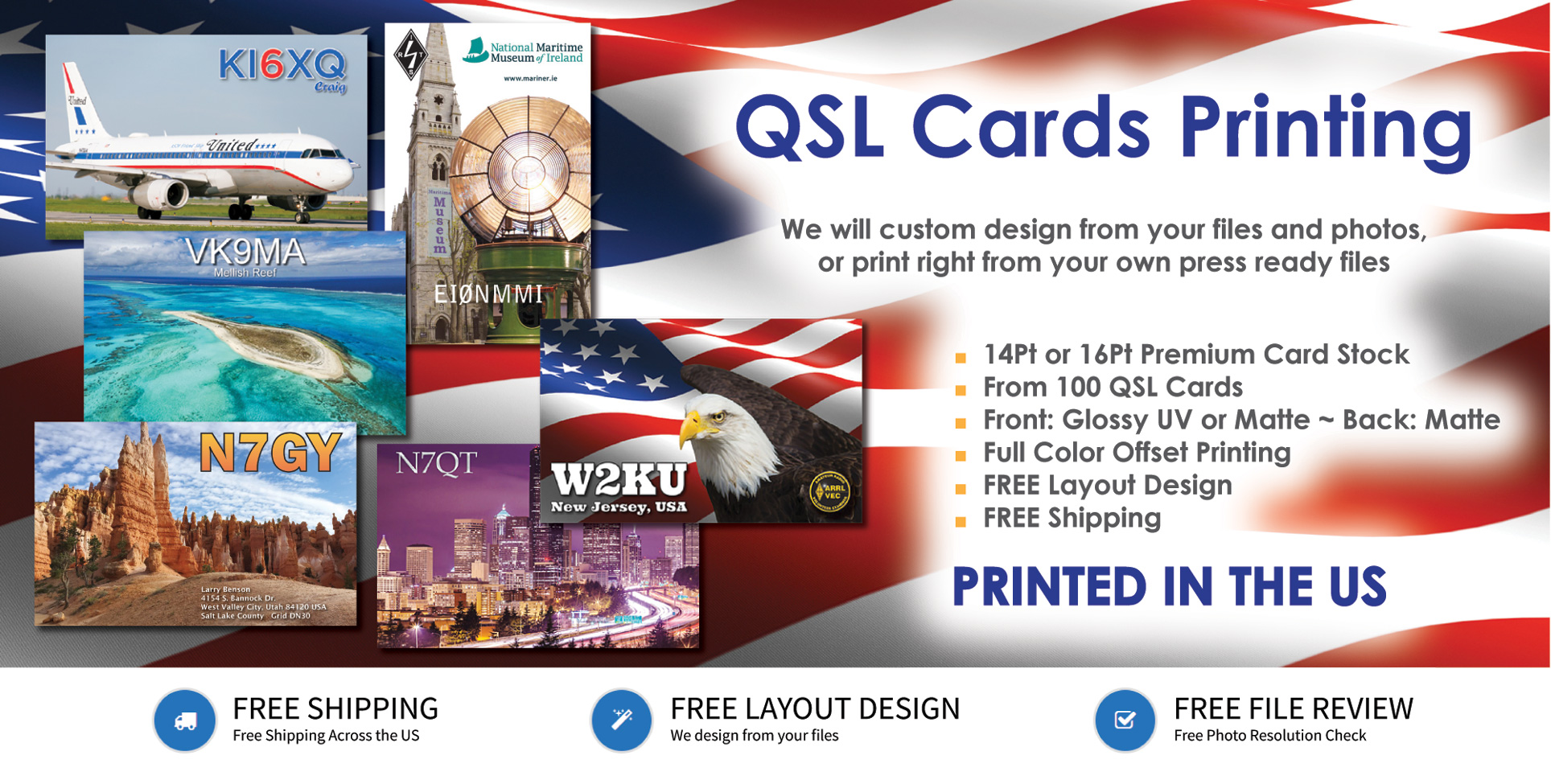
- Professional Printing Services: Many companies specialize in printing QSL cards, offering high-quality results and a variety of paper stocks.
- Home Printing: If you have a high-quality inkjet or laser printer and suitable card stock, you can print your cards at home.
- Local Print Shops: Local print shops can often print QSL cards, but be sure to provide them with the correct specifications.
Choosing the Right Card Stock
The type of card stock you use can significantly impact the appearance and durability of your QSL cards. Common options include:
- Postcard Stock: A standard weight card stock suitable for most QSL cards.
- Glossy Card Stock: Provides a shiny, professional finish.
- Matte Card Stock: Offers a more subdued, elegant look.
- Linen Card Stock: Has a textured surface that adds a touch of sophistication.
QSL Card Bureaus and Direct Mail
Once your cards are printed, you can send them to other hams through:
- QSL Bureaus: These organizations collect and forward QSL cards on behalf of their members. Using a bureau is a cost-effective way to QSL a large number of stations.
- Direct Mail: Sending cards directly to the other operator is a more personal approach. Include a self-addressed, stamped envelope (SASE) to encourage a return QSL.
Advanced Qsl Card Template Techniques
Incorporating Digital Modes
When creating a Qsl Card Template for digital modes like FT8 or JT65, consider including information specific to those modes, such as the exchange sequence number or the decoded power level. You can also incorporate screenshots of the waterfall display or the decoded signal.
Designing for Contests
Contest cards often have a different look and feel than general-purpose QSL cards. They may include the contest name, date, and category, as well as a unique contest serial number. A dedicated Qsl Card Template designed for contests can streamline the process of creating and sending cards after a competition.
Creating Unique and Personalized Designs
Don’t be afraid to experiment with different designs and layouts to create a QSL card that truly reflects your personality and station. Consider incorporating your station’s logo, a photo of your antenna, or a map of your location. The more unique and personalized your card, the more memorable it will be for the recipient.
Conclusion
The Qsl Card Template is a powerful tool for amateur radio operators, simplifying the process of confirming contacts and contributing to the rich tradition of QSL card exchange. From understanding the history and importance of these cards to mastering design techniques and printing options, this guide provides a comprehensive overview of everything you need to know. Whether you’re a seasoned ham or just starting out, a well-designed QSL card is a valuable asset that enhances the enjoyment and camaraderie of the hobby. Embrace the creativity, personalize your designs, and continue to share the thrill of radio communication with the world, one QSL card at a time.
]]>