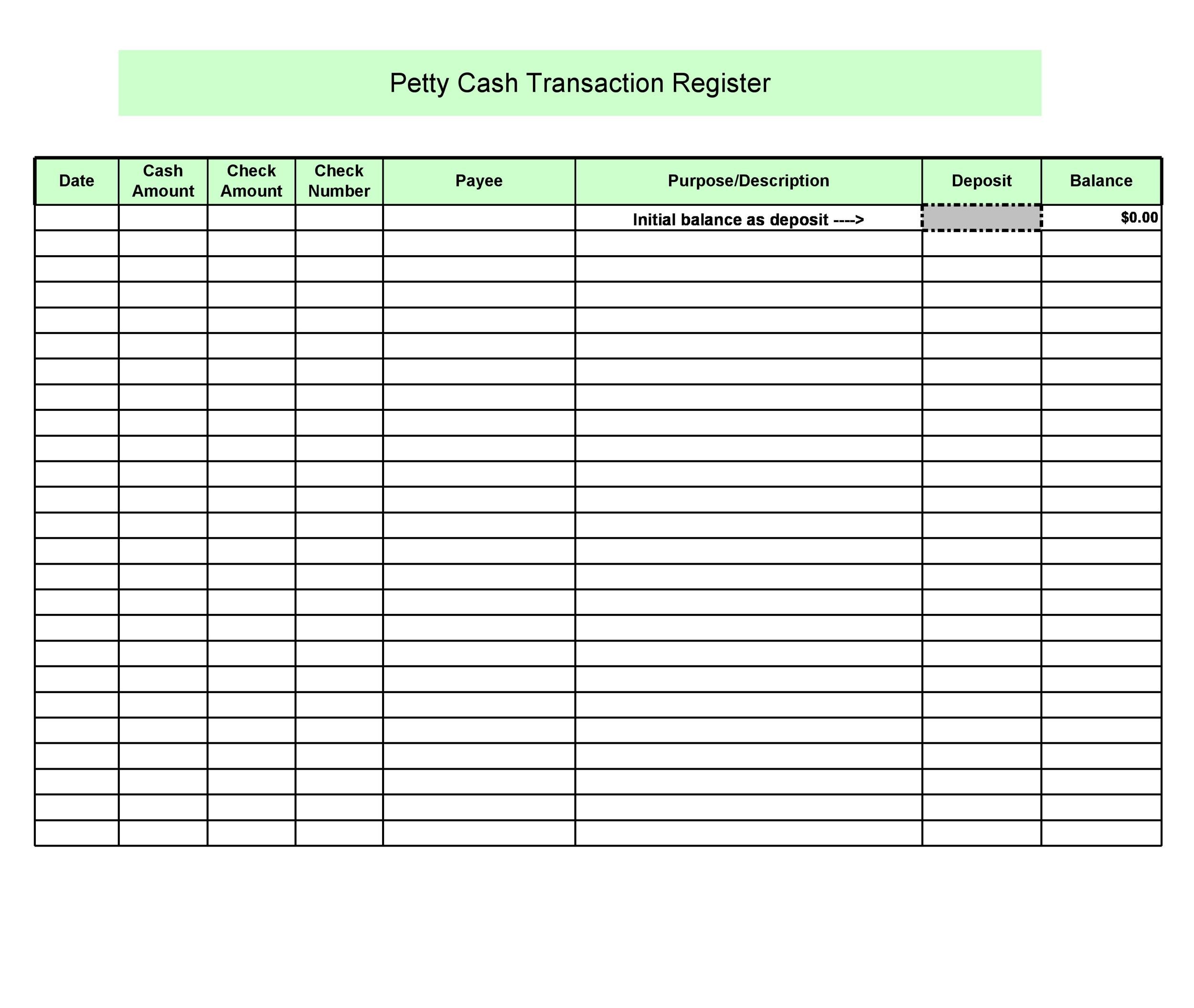
Petty Cash Expense Report Template
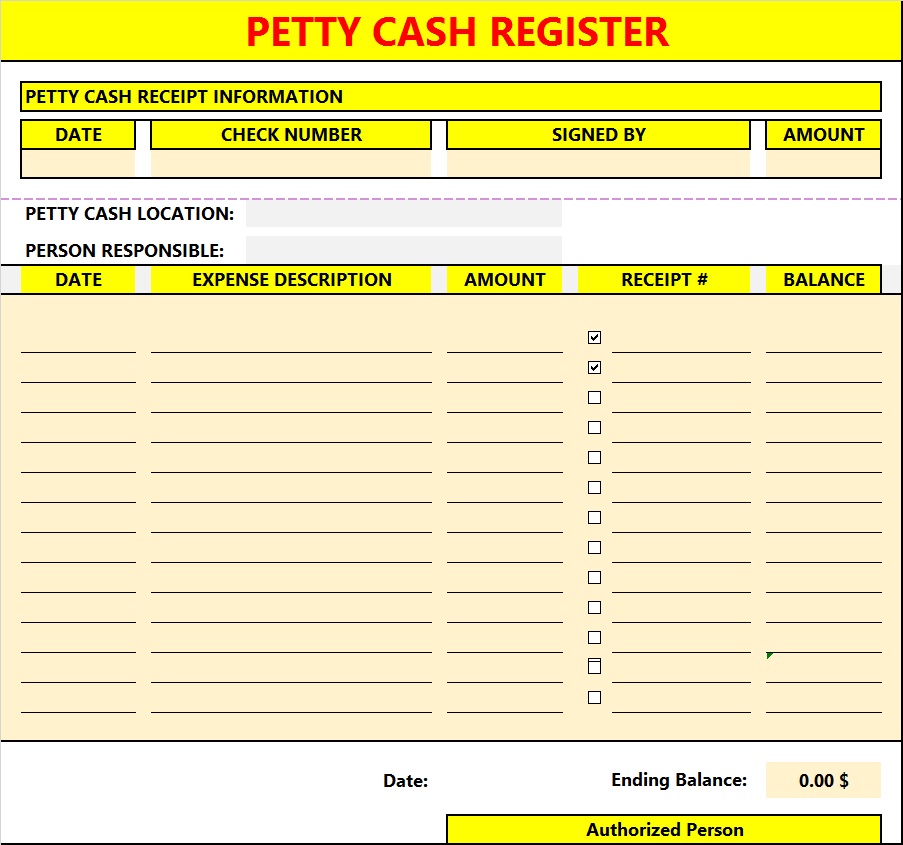
Petty cash is a vital part of many businesses, providing a convenient way to handle small, immediate expenses without going through the full accounting process. But effectively managing petty cash requires careful tracking and documentation. That’s where a Petty Cash Expense Report Template comes in. This document is essential for maintaining financial accountability, ensuring transparency, and simplifying the reconciliation process. A well-designed template helps businesses monitor expenditures, control costs, and prevent fraud.
What is a Petty Cash Expense Report?
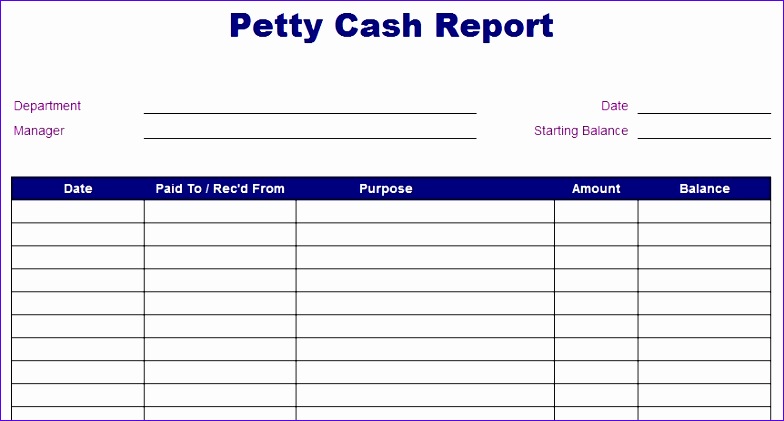
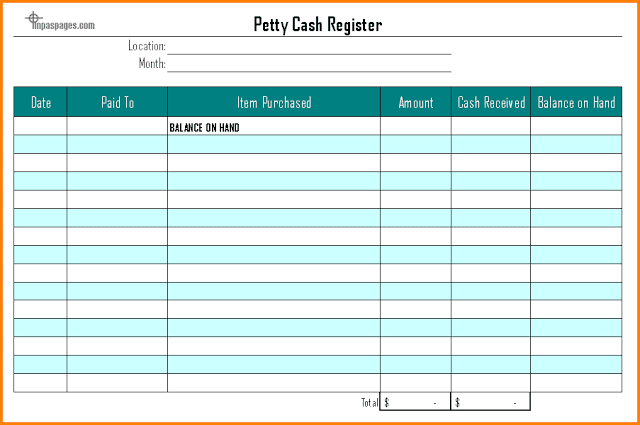
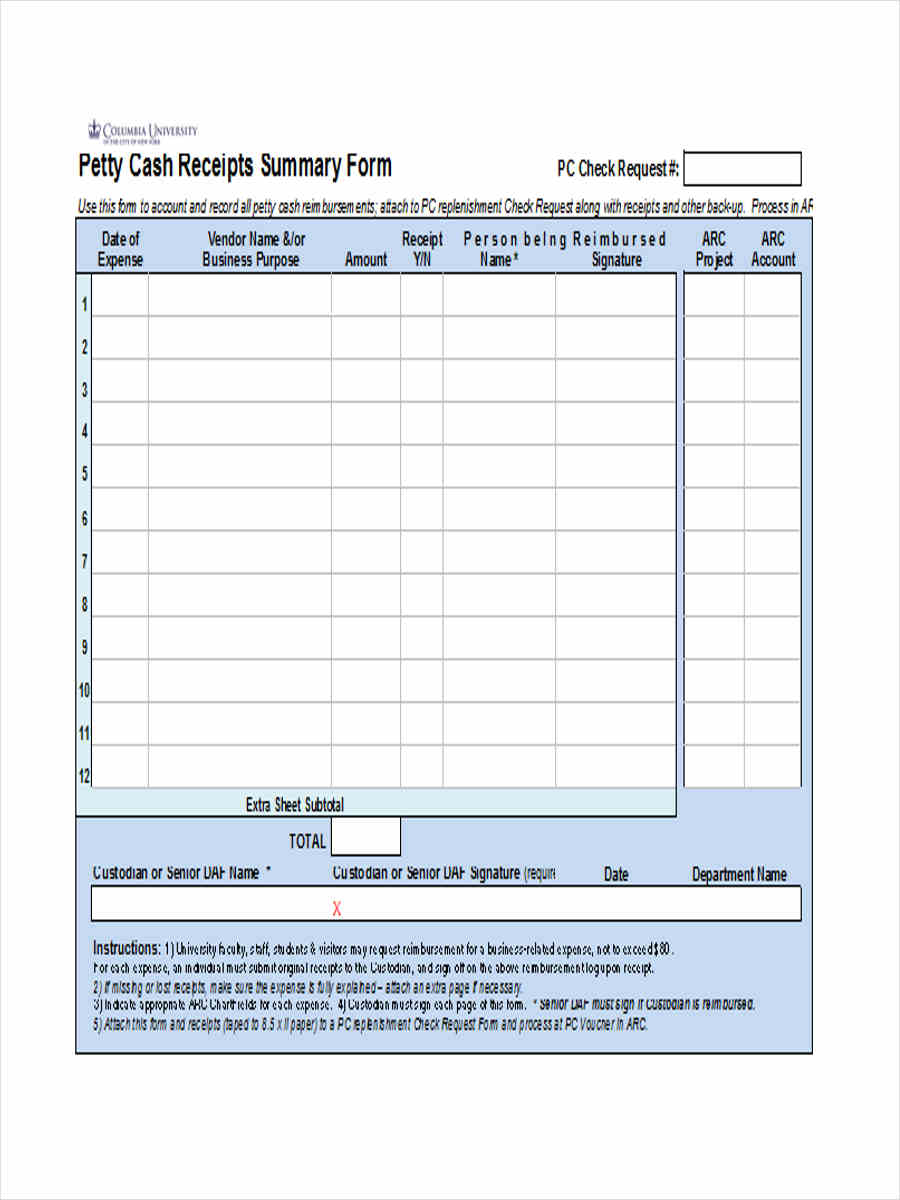
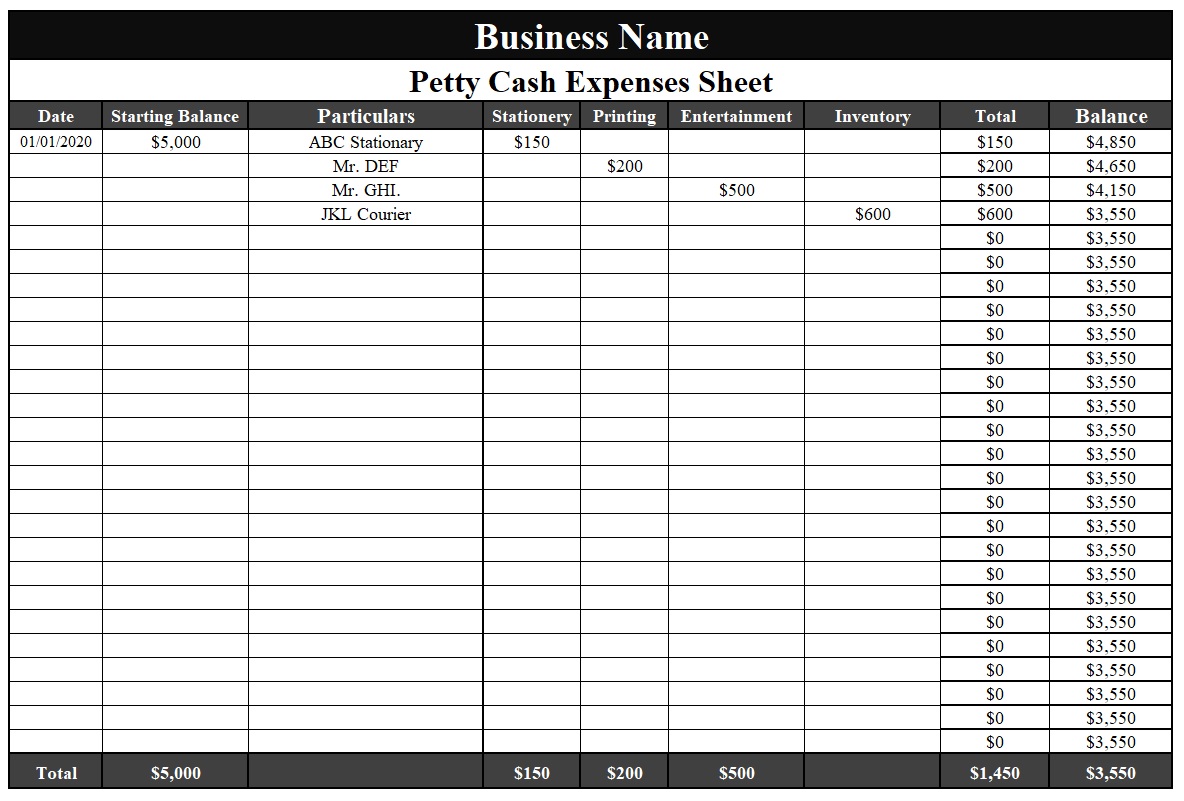
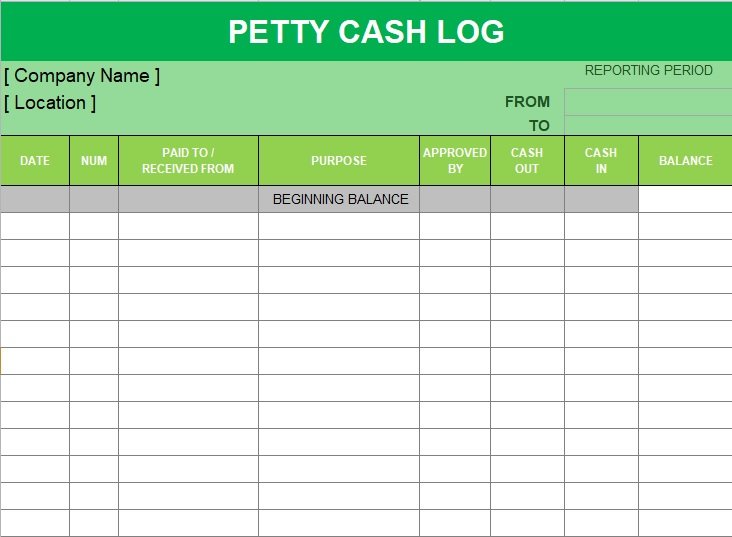
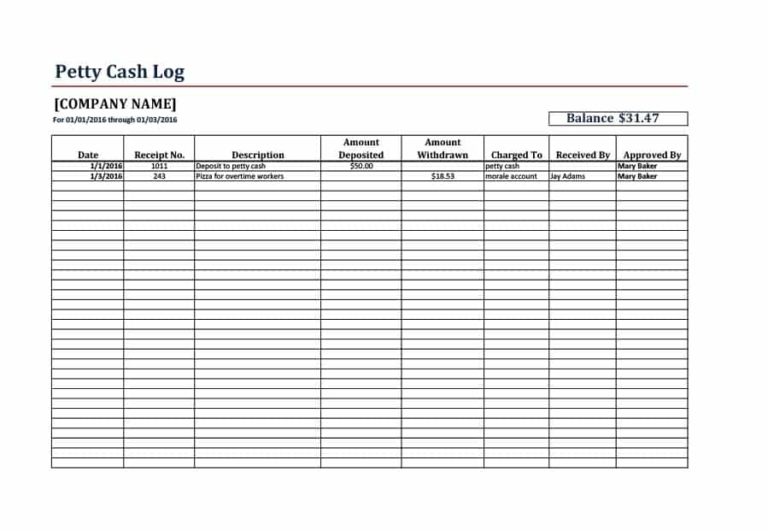
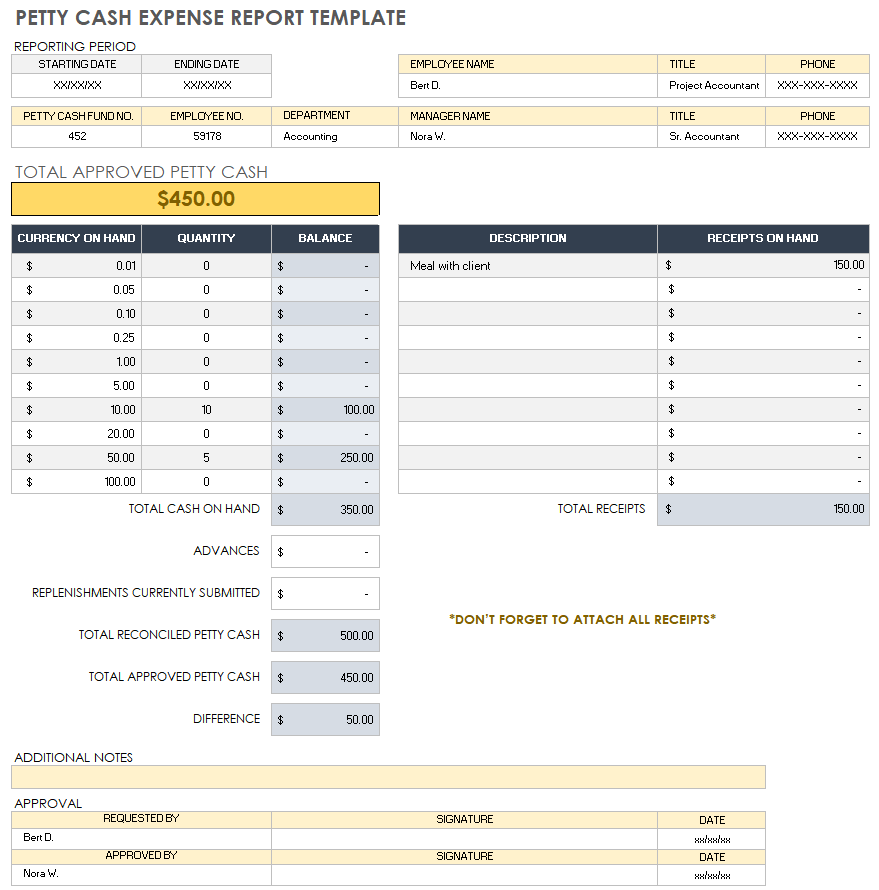
A petty cash expense report is a standardized form used to document and track all disbursements made from a petty cash fund. It serves as an audit trail, providing a clear record of how funds were spent. This report typically includes details like the date of the expense, the vendor, a description of the purchase, the amount spent, and the approver’s signature. The report is crucial for reconciling the petty cash fund with the original documentation and ensuring that all expenses are legitimate and properly accounted for. Without a proper report, it’s difficult to maintain accurate financial records and can lead to significant problems.
Why is a Petty Cash Expense Report Important?
The importance of a petty cash expense report extends beyond simple bookkeeping. It offers several key benefits for businesses of all sizes.
- Financial Control: Regular reporting helps businesses maintain control over their cash flow. By tracking expenses, they can identify areas where costs can be reduced.
- Transparency and Accountability: The report promotes transparency by providing a clear record of how petty cash is being used. This fosters accountability among employees who handle the fund.
- Fraud Prevention: A well-documented report makes it more difficult for unauthorized or fraudulent transactions to occur. It provides a readily available audit trail.
- Accuracy in Financial Reporting: The information gathered from petty cash expense reports is used to reconcile the petty cash fund with the general ledger, ensuring accuracy in overall financial reporting.
- Simplified Reconciliation: Having a structured report streamlines the process of reconciling the petty cash fund at the end of a period.
Key Fields to Include in a Petty Cash Expense Report Template
To ensure that your petty cash expense report is comprehensive and effective, it should include the following key fields:

- Date: The date the expense was incurred.
- Employee Name: The name of the employee who made the purchase.
- Department: The department the employee belongs to.
- Vendor: The name of the business or individual from whom the purchase was made.
- Description of Expense: A detailed explanation of what was purchased. This should be specific and avoid vague descriptions.
- Amount: The exact amount of the expense.
- Payment Method: How the expense was paid (cash, check, etc.).
- Receipt Number: The number on the receipt for verification.
- Approver’s Name: The name of the person who approved the expense.
- Approver’s Signature: The signature of the person who approved the expense.
- Purpose of Expense: A brief explanation of why the expense was necessary. (e.g., “Office supplies for meeting,” “Taxi fare for client visit.”)
Different Types of Expense Descriptions
Providing a clear description of the expense is essential for accurate record-keeping. Here are some examples of detailed descriptions:
- Instead of “Office Supplies,” write “Paper, pens, and staplers for department use.”
- Instead of “Lunch,” write “Lunch with potential client, John Smith, to discuss project proposal.”
- Instead of “Mileage,” write “Mileage reimbursement for travel to client site at 123 Main Street.”
Types of Petty Cash Expense Report Templates
There are various types of Petty Cash Expense Report Template available, ranging from simple paper forms to sophisticated digital solutions. The best option for your business will depend on its size, complexity, and budget.

- Paper-Based Templates: These are the most traditional option. They are simple to use and require no special software. However, they can be prone to errors and are more difficult to track. You can find free paper templates online or create your own using a word processor.
- Spreadsheet Templates (Excel, Google Sheets): Spreadsheet templates offer more functionality than paper-based forms. They allow for calculations, data analysis, and easy reporting. Many free and paid templates are available online. Google Sheets is particularly useful for collaboration.
- Dedicated Petty Cash Software: Several software solutions are specifically designed for managing petty cash. These solutions offer features such as automated reporting, reconciliation, and fraud detection. They are typically more expensive than other options but offer the greatest level of control and efficiency.
- Mobile Apps: Some mobile apps allow employees to submit expense reports directly from their smartphones. This can streamline the reporting process and reduce errors.
Choosing the Right Template for Your Business
When selecting a template, consider factors such as:
- Ease of Use: The template should be easy for employees to understand and use.
- Functionality: The template should include all the necessary fields for tracking expenses.
- Reporting Capabilities: The template should allow for easy generation of reports.
- Security: The template should be secure and protect sensitive financial information.
- Cost: Consider the cost of the template, including any subscription fees or software costs.
Best Practices for Using a Petty Cash Expense Report Template
To maximize the effectiveness of your Petty Cash Expense Report Template, follow these best practices:
- Establish a Clear Policy: Develop a clear policy outlining the rules for using petty cash, including who is authorized to access the fund, what types of expenses are reimbursable, and how reports should be submitted.
- Require Receipts: Always require receipts for all petty cash disbursements.
- Review Reports Regularly: Review expense reports regularly to ensure that they are accurate and comply with the company’s policy.
- Reconcile the Fund: Reconcile the petty cash fund regularly to ensure that the balance matches the amount recorded in the expense reports.
- Train Employees: Train employees on how to use the expense report template and the company’s petty cash policy.
- Secure the Petty Cash Fund: Keep the petty cash fund in a secure location and limit access to authorized personnel.
- Use a Pre-Approved Spending Limit: Set a reasonable spending limit for each employee to minimize the risk of excessive or unauthorized purchases.
Tips for Accurate Record Keeping
Accuracy is crucial for effective petty cash management. Here are a few tips:
- Encourage Prompt Submission: Encourage employees to submit their expense reports promptly after making a purchase.
- Verify Information: Always verify the information on the expense report, including the date, amount, and description of the expense.
- Maintain Records: Keep all expense reports and receipts in a safe and organized location.
- Regular Audits: Conduct regular internal audits of the petty cash process to identify any weaknesses or areas for improvement.
Integrating Petty Cash Expense Reports with Accounting Software
Integrating your petty cash expense reports with your accounting software can streamline your financial processes and improve data accuracy. Most accounting software packages allow you to import data from spreadsheets or other file formats. This eliminates the need for manual data entry and reduces the risk of errors. The integration also provides a centralized view of all your financial transactions, making it easier to manage your business finances. Consider tools that offer automated reconciliation features to further simplify the process.
Conclusion
Implementing a robust Petty Cash Expense Report Template is essential for sound financial management. It provides a framework for tracking, documenting, and reconciling petty cash disbursements, leading to improved financial control, transparency, and accountability. By following best practices and utilizing the right tools, businesses can ensure that their petty cash fund is managed effectively and securely. Regular review and adaptation of your process, along with employee training, will contribute to a smooth and efficient petty cash system, ultimately benefitting the financial health of your organization.