Lab Report Template Chemistry
Crafting a clear, concise, and well-organized lab report is crucial for demonstrating your understanding of scientific principles and the results of your experiments. A lab report template provides a structured framework, ensuring you address all essential components and present your findings in a logical and understandable manner. Using a template can significantly improve the clarity, completeness, and overall quality of your chemistry lab reports.
The following provides a breakdown of a standard chemistry lab report template, presented as an HTML list. This structure helps you navigate the essential sections and understand what information should be included in each.
Chemistry Lab Report Template: Essential Sections
-
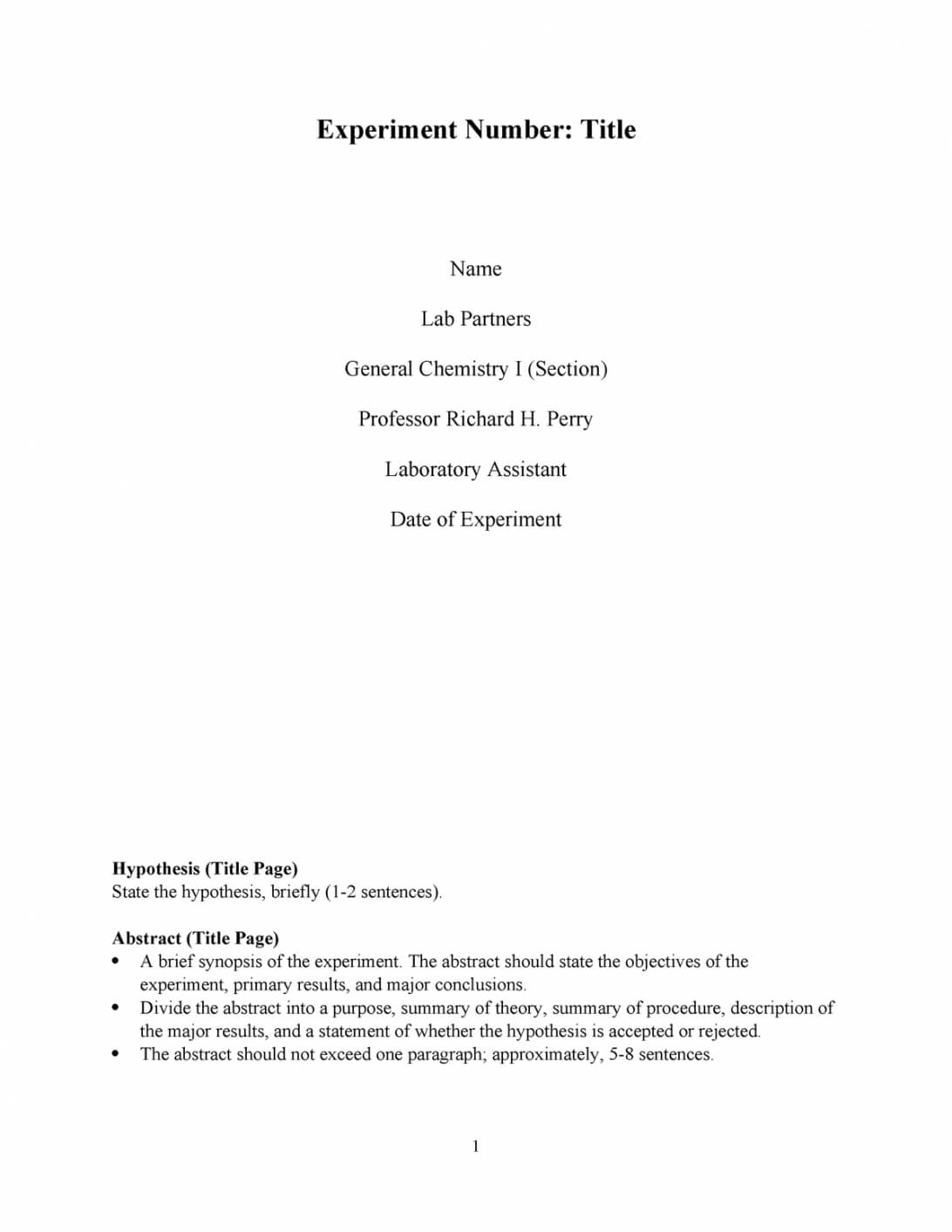
Title Page
- Experiment Title: A descriptive and specific title that accurately reflects the experiment’s purpose.
- Your Name: Your full name.
- Partner’s Name(s) (if applicable): List the names of all collaborators.
- Course Name and Section: E.g., General Chemistry I – Section 001.
- Instructor’s Name: Your professor or teaching assistant’s name.
- Date of Submission: The date the report is submitted.
-
Abstract
- A concise summary (typically 150-250 words) of the entire report. It should include:
- Purpose/Objective: Briefly state the main goal of the experiment.
- Methods: Summarize the experimental procedure.
- Results: Highlight the key findings and observations.
- Conclusion: Briefly state the significance of the results and their implications.
-
Introduction
- Provide background information and the theoretical principles underlying the experiment.
- Context: Introduce the topic and its relevance to chemistry.
- Theoretical Background: Explain the key concepts, equations, and laws involved. Cite relevant sources.
- Hypothesis: Clearly state the hypothesis you are testing in the experiment.
- Objectives: Explicitly state the specific goals of the experiment.
-
Materials and Methods
- Provide a detailed description of the materials used and the experimental procedure followed.
- Materials: List all chemicals, equipment, and apparatus used in the experiment. Include concentrations and specific details (e.g., brand name, model number).
- Procedure: Describe the experimental procedure in a step-by-step manner, using past tense and passive voice (e.g., “The solution was heated” instead of “I heated the solution”). Be precise and include all relevant details so that someone else could replicate the experiment.
- Safety Precautions: Briefly mention any safety precautions taken during the experiment.
-
Results
- Present the data collected during the experiment in a clear and organized manner.
- Observations: Record all qualitative observations (e.g., color changes, precipitate formation, gas evolution).
- Data Tables: Present quantitative data in well-labeled tables with appropriate units. Include uncertainties where applicable.
- Graphs: Use graphs to visually represent the data and identify trends. Include appropriate labels, titles, and units. Choose the appropriate type of graph (e.g., scatter plot, bar graph) for the data.
- Calculations: Show sample calculations with clear steps and units. Use significant figures appropriately.
-
Discussion
- Interpret the results and explain their significance in relation to the hypothesis and theoretical background.
- Interpretation of Results: Discuss the meaning of the data and any trends observed in the graphs and tables.
- Comparison to Hypothesis: Explain whether the results support or refute the hypothesis.
- Error Analysis: Identify and discuss potential sources of error in the experiment. Distinguish between systematic and random errors. Explain how these errors may have affected the results.
- Comparison to Literature: Compare your results to published literature values or expected results. Discuss any discrepancies.
- Suggestions for Improvement: Suggest ways to improve the experiment in the future to minimize errors and obtain more accurate results.
-
Conclusion
- Summarize the main findings of the experiment and their significance.
- Restatement of Objective: Briefly restate the objective of the experiment.
- Summary of Results: Summarize the key results and whether the hypothesis was supported.
- Significance of Findings: Discuss the implications of the findings and their contribution to the understanding of the topic.
-
References
- List all sources cited in the report, including textbooks, journal articles, and online resources.
- Follow a consistent citation style (e.g., APA, MLA, Chicago).
- Ensure all references are properly formatted and include all necessary information (e.g., author, title, journal, year, volume, page numbers).
-
Appendix (Optional)
- Include any supplementary materials, such as raw data, detailed calculations, or spectra.
- Label each appendix item clearly.
By following this template and carefully completing each section, you can ensure that your chemistry lab reports are well-organized, comprehensive, and effectively communicate your understanding of the experiment and its results. Remember to always proofread your report for grammar, spelling, and accuracy before submission.
If you are searching about 40 Lab Report Templates & Format Examples ᐅ TemplateLab you’ve came to the right place. We have 15 Pics about 40 Lab Report Templates & Format Examples ᐅ TemplateLab like Chemistry Lab Report Template Fabulousfloridakeys with Chemistry Lab, Lab Report Template Chemistry – Sarseh.com and also 40 Lab Report Templates & Format Examples ᐅ TemplateLab. Here you go:
40 Lab Report Templates & Format Examples ᐅ TemplateLab
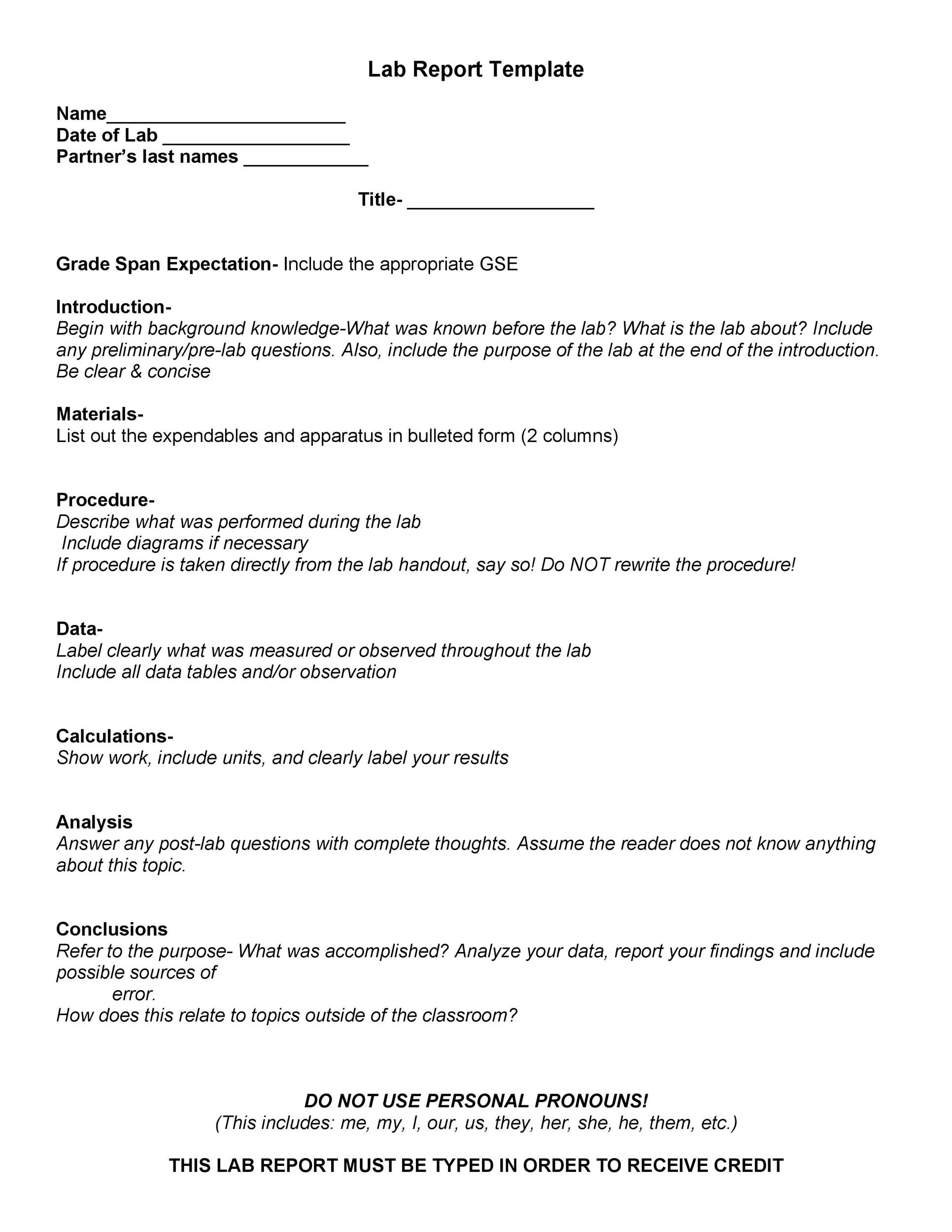
templatelab.com
Chemistry Lab Report Template Fabulousfloridakeys With Chemistry Lab
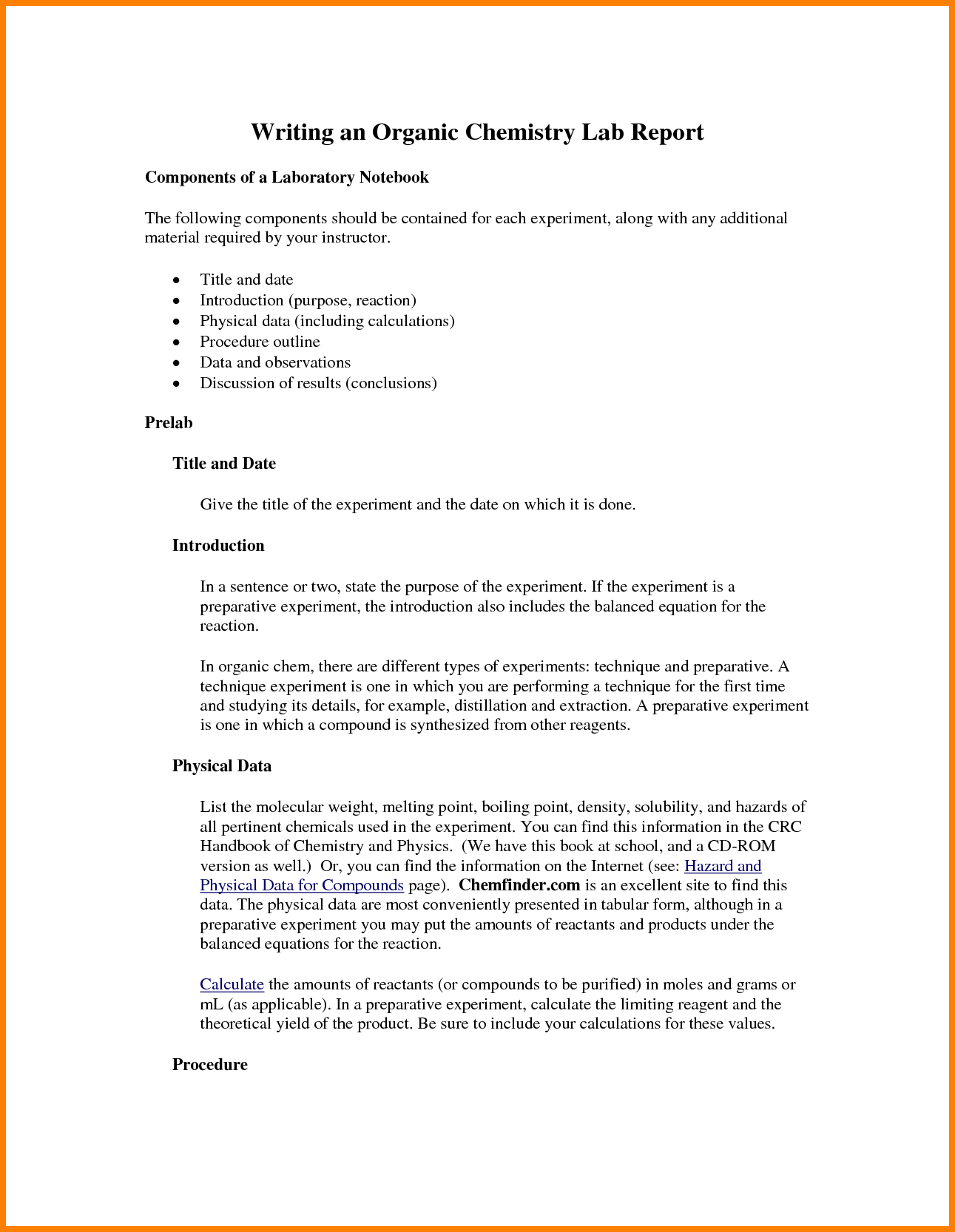
vancecountyfair.com
Chemistry Lab Report Template
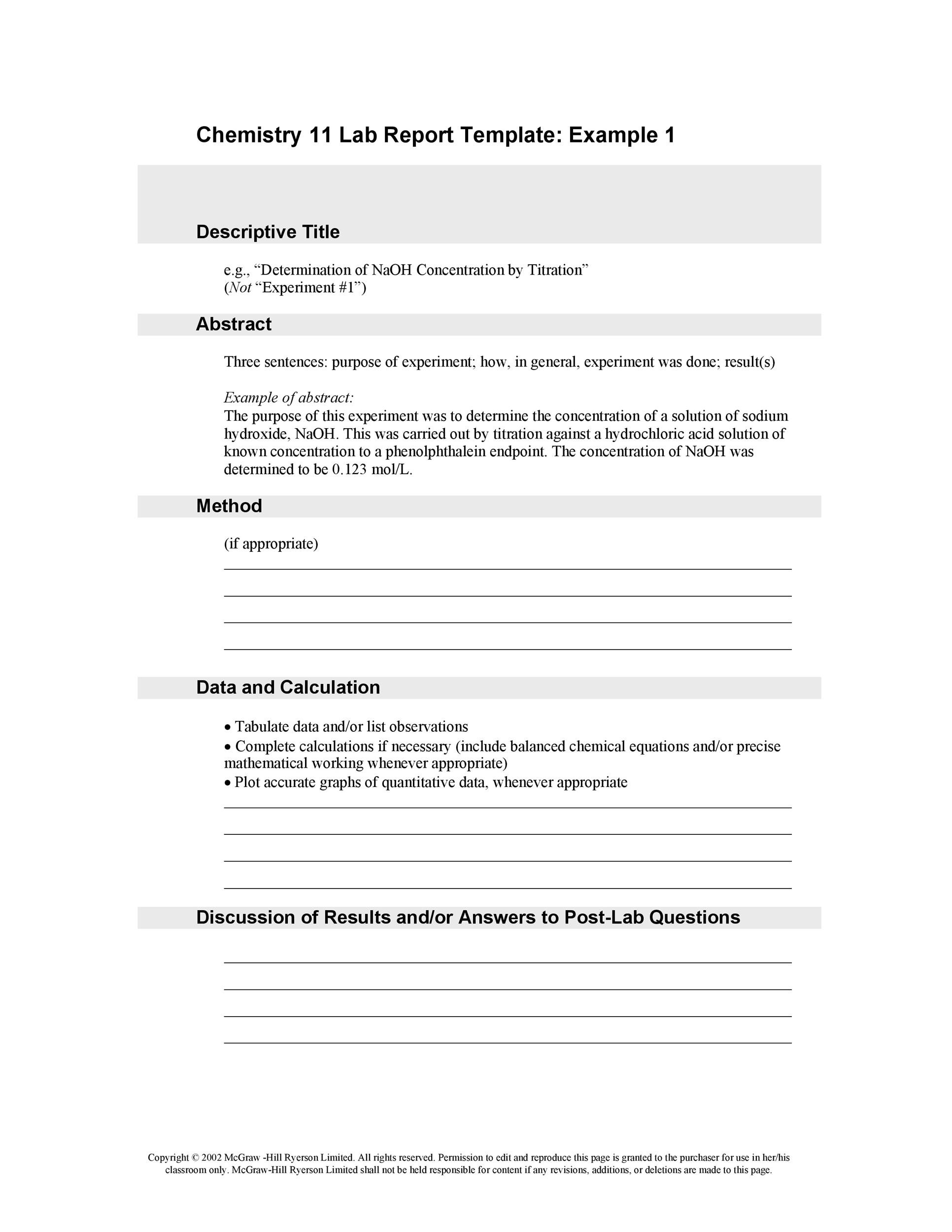
businesstemplateinspiration.blogspot.com
Heartwarming Lab Report How To Write A Scientific Ks2

vehiclelab6.pythonanywhere.com
Chemistry Lab Report Example
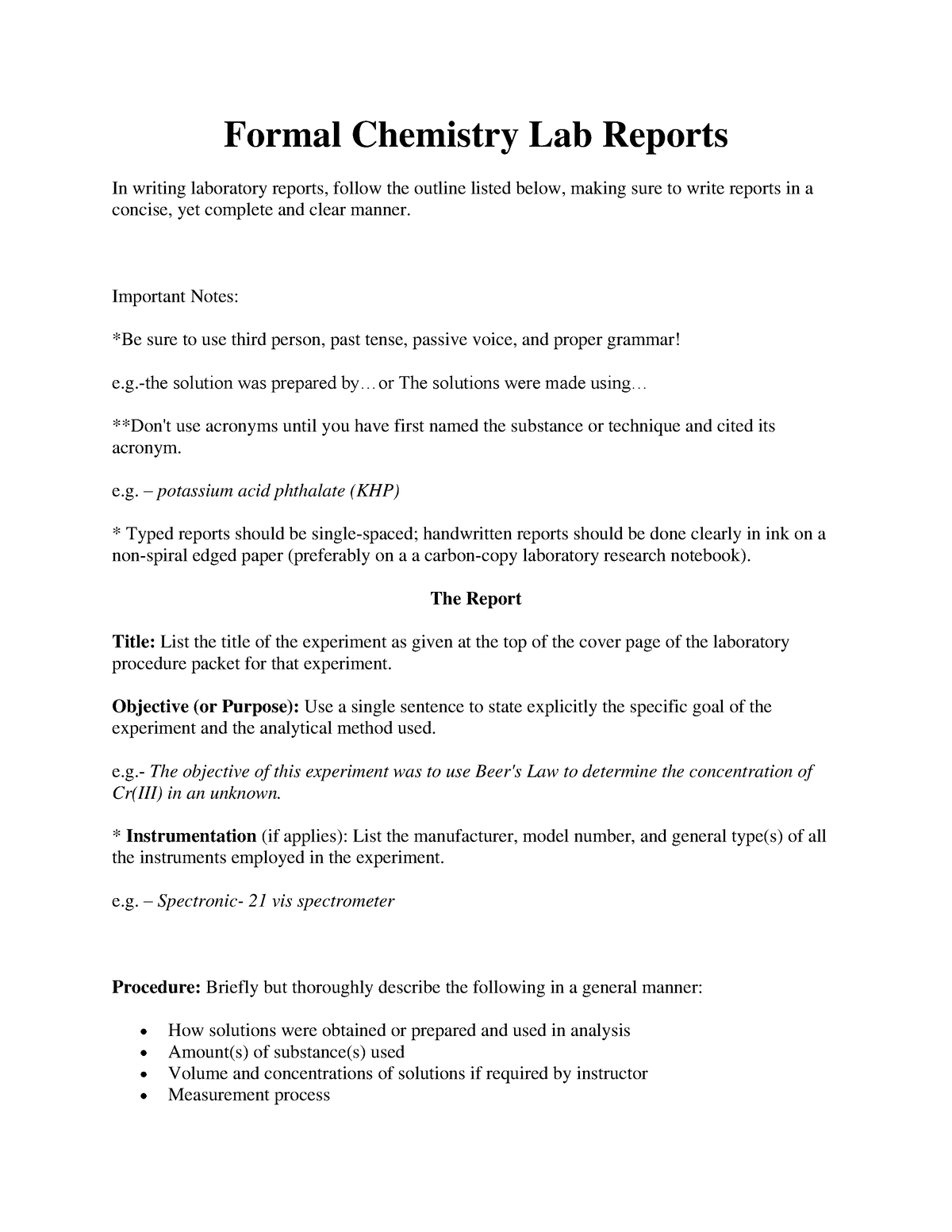
ar.inspiredpencil.com
40 Lab Report Templates & Format Examples ᐅ TemplateLab
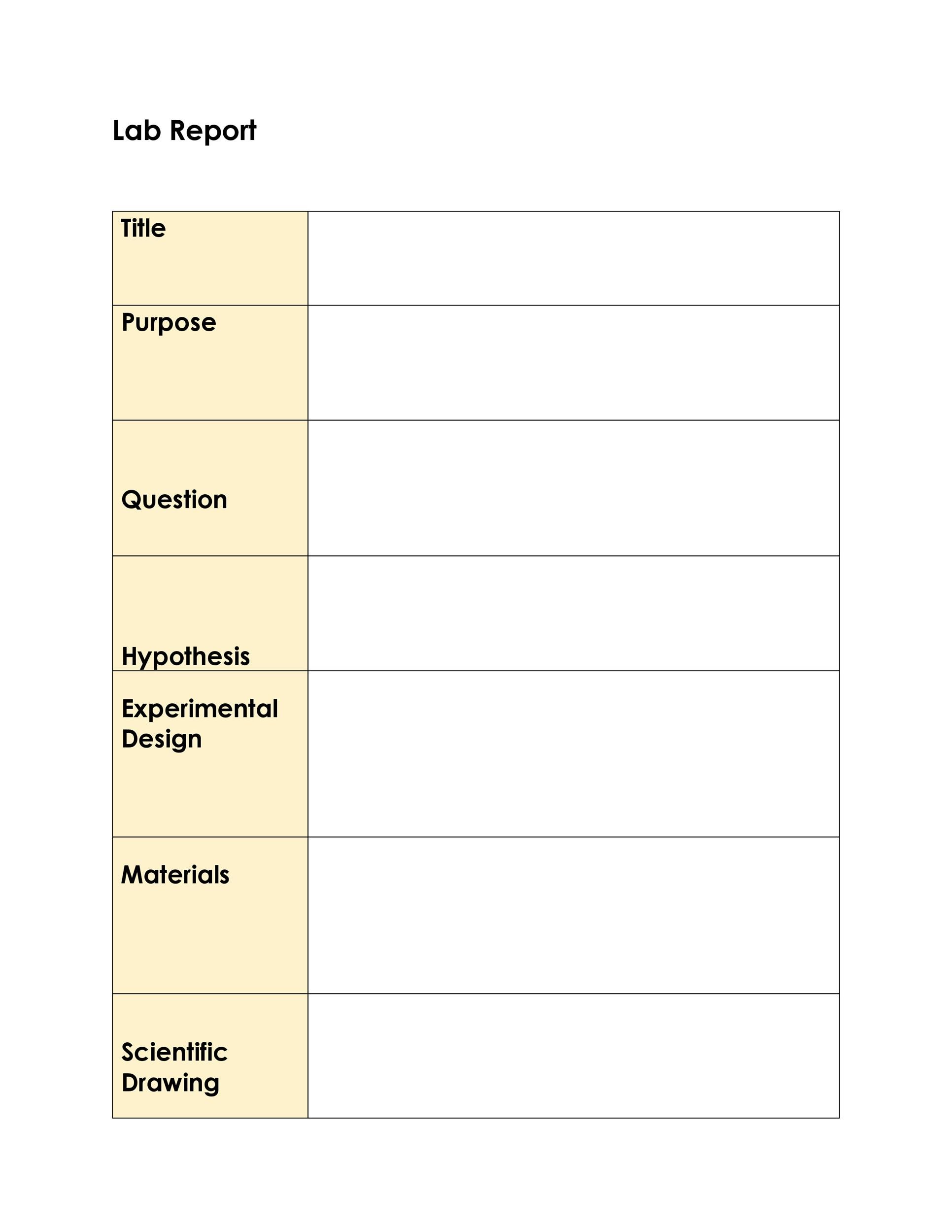
templatelab.com
40 Lab Report Templates & Format Examples ᐅ TemplateLab
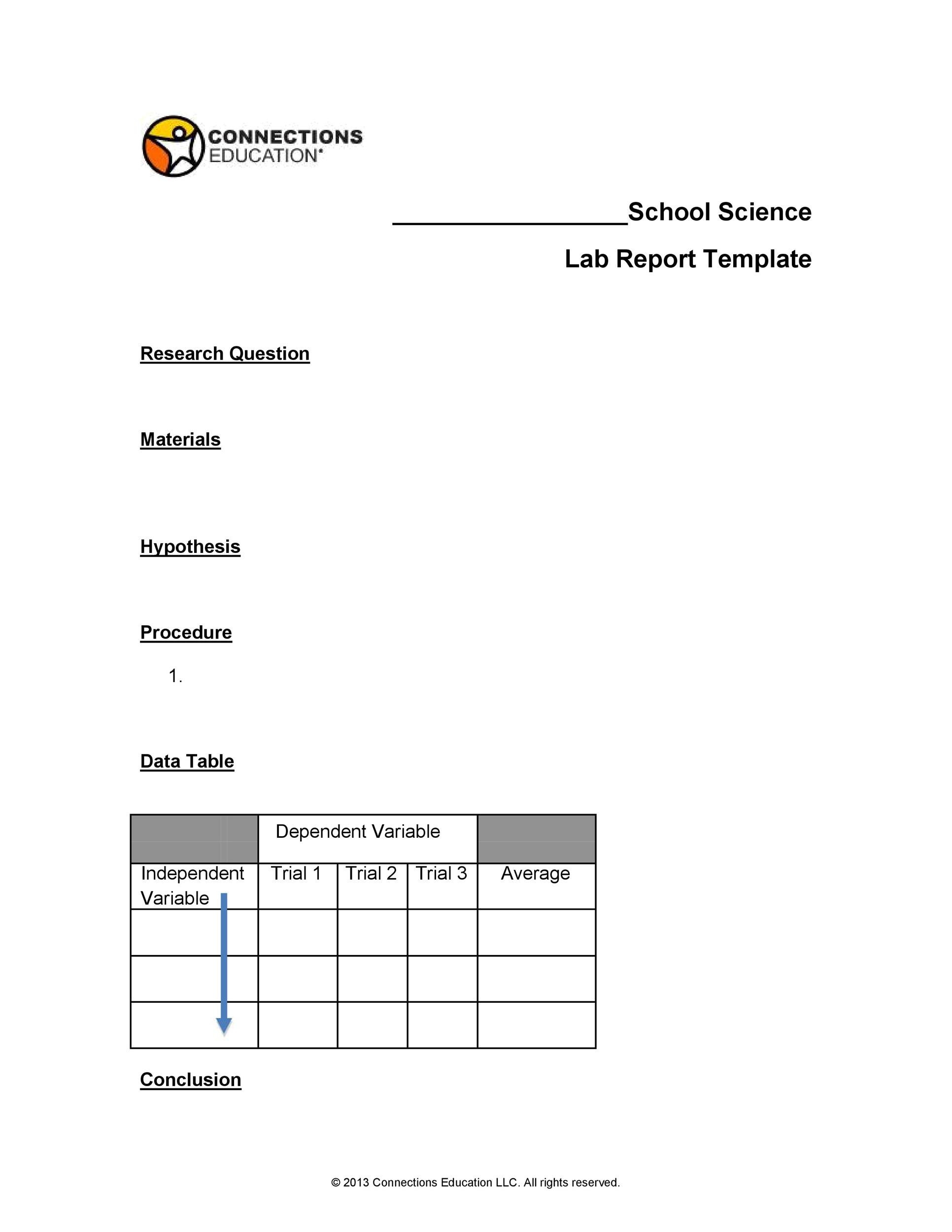
templatelab.com
Laboratory Results Template

ar.inspiredpencil.com
Lab Report Template Chemistry – Sarseh.com

sarseh.com
Example Of A Good Chemistry Lab Report At Melinda Hutto Blog

exozxcdum.blob.core.windows.net
Chemistry Lab Report Template Fresh 8 Formal Lab Report Example | Lab

www.pinterest.co.uk
Lab Report Template Chemistry – Sarseh.com
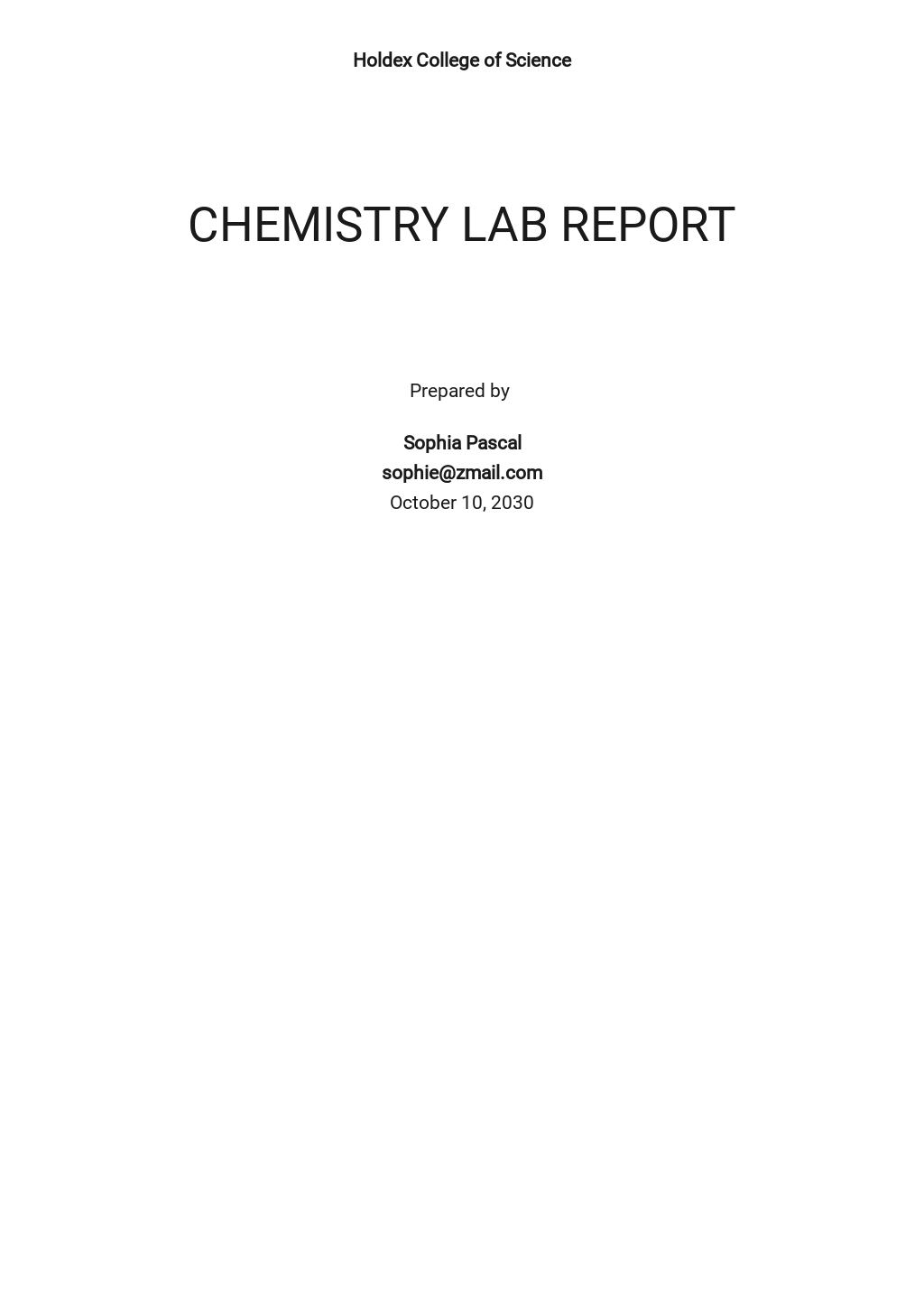
sarseh.com
Chemistry Lab Report Template – Edit Online & Download Example
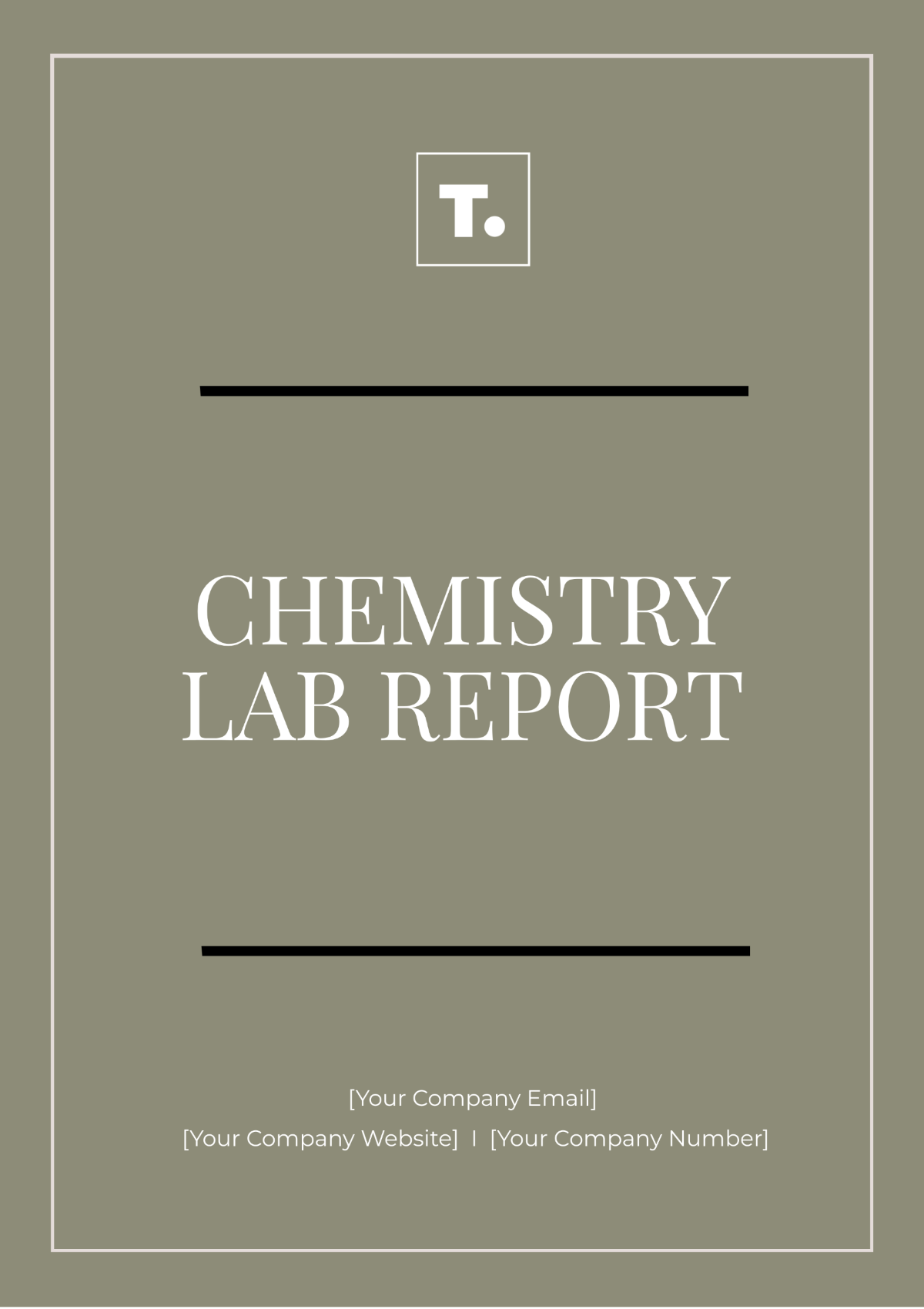
www.template.net
Lab Report Template Chemistry – Toptemplate.my.id
www.toptemplate.my.id
40 Lab Report Templates & Format Examples ᐅ TemplateLab
templatelab.com
lab report template chemistry. chemistry lab report template fabulousfloridakeys with chemistry lab …. 40 lab report templates & format examples ᐅ templatelab