Biology Lab Report Template

Introduction
Scientific investigation relies heavily on meticulous documentation, and a well-structured report is the cornerstone of that process. Whether you’re a high school student, an undergraduate, or a seasoned researcher, effectively communicating your experimental findings is paramount. This is where a Biology Lab Report Template becomes an invaluable tool. It provides a standardized format to present your work, ensuring clarity, reproducibility, and a thorough analysis of your results. A good lab report isn’t just about what you did, but why you did it, how you did it, and what your findings mean.
The purpose of a lab report extends beyond simply fulfilling an assignment. It’s a critical exercise in developing scientific thinking, honing observational skills, and mastering the art of data interpretation. By adhering to a consistent structure, you can minimize ambiguity and maximize the impact of your research. Ignoring proper formatting can lead to misinterpretations, difficulty in peer review, and ultimately, a diminished understanding of the scientific principles at play.

Different disciplines may have slight variations in their reporting requirements, but the core principles remain consistent. A strong biology lab report will clearly articulate the scientific question, the methods used to address it, the data collected, and the conclusions drawn from that data. It’s a narrative that tells the story of your experiment, from conception to conclusion.
Ultimately, mastering the art of the lab report is mastering the art of scientific communication. It’s a skill that will serve you well throughout your academic and professional career, enabling you to effectively share your discoveries with the wider scientific community.
Understanding the Core Components of a Biology Lab Report
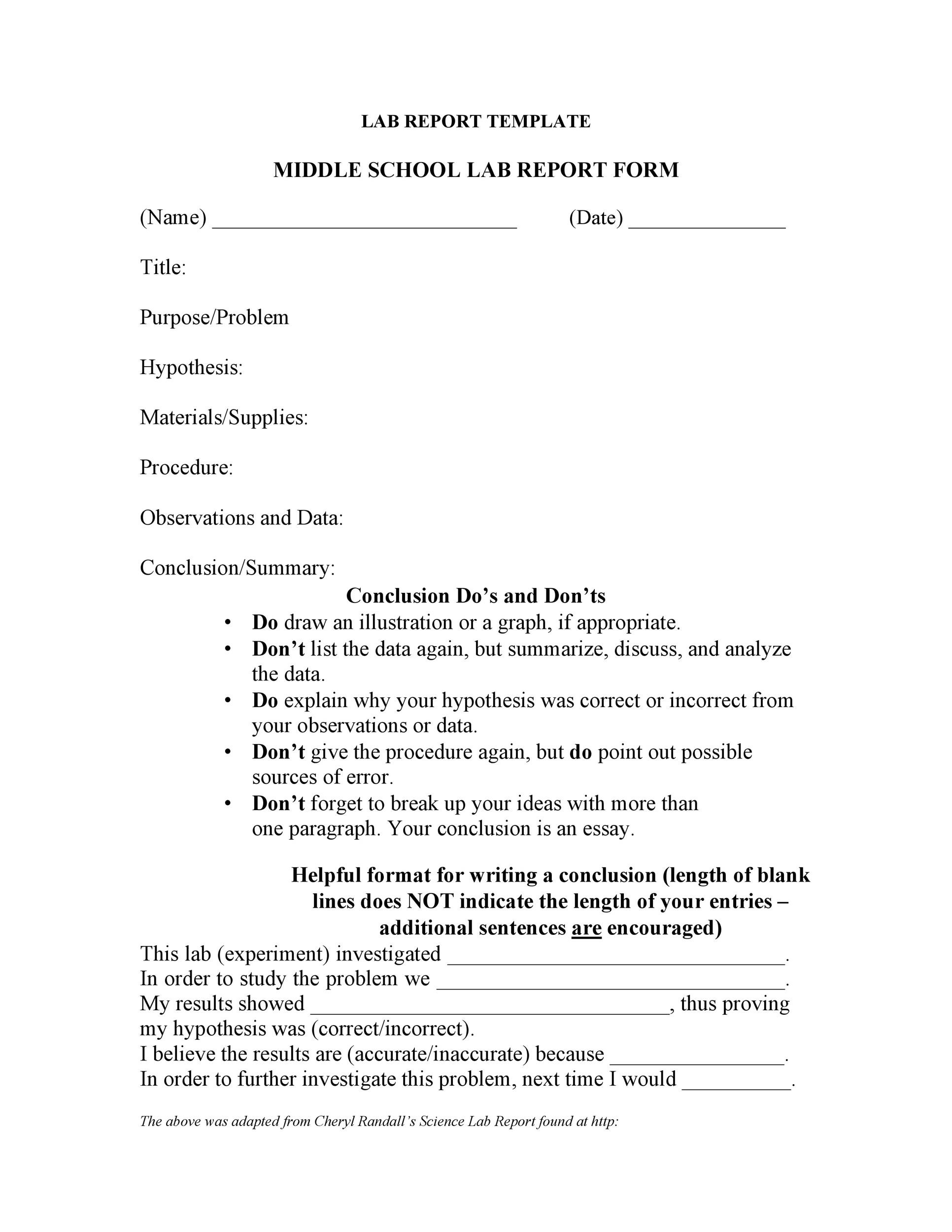
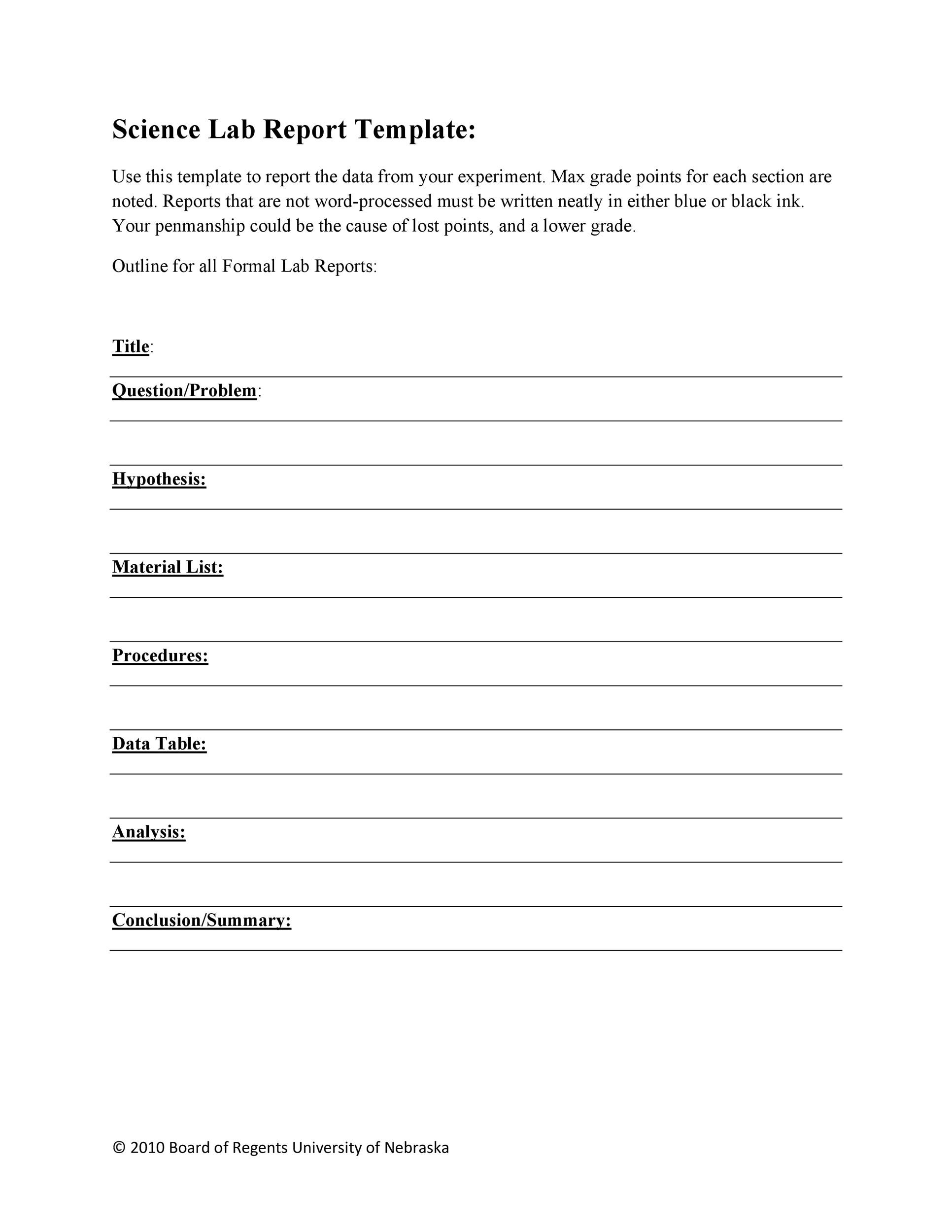
A standard biology lab report typically consists of several key sections, each serving a specific purpose. These sections work together to present a complete and coherent account of your experiment. Familiarizing yourself with these components is the first step towards creating a high-quality report.
Title Page
The title page provides essential identifying information. It should include the title of the experiment, your name, the names of any lab partners, the course name, the instructor’s name, and the date the experiment was performed. A concise and descriptive title is crucial – it should accurately reflect the experiment’s focus.
Abstract
The abstract is a brief summary of the entire report, typically limited to 150-250 words. It should concisely state the purpose of the experiment, the methods used, the key results, and the main conclusions. Think of it as a miniature version of your entire report, allowing readers to quickly grasp the essence of your work.
Introduction
The introduction provides background information on the scientific concepts underlying the experiment. It should clearly state the research question or hypothesis being investigated, and explain the rationale behind the experiment. Relevant background literature should be cited to provide context and demonstrate your understanding of the topic. A well-written introduction sets the stage for the rest of the report.

Materials and Methods
This section details exactly how the experiment was conducted. It should be written in a clear, concise, and objective manner, using past tense and passive voice. Include a comprehensive list of all materials used, along with specific details about their quantities and concentrations. The methods section should be detailed enough that another researcher could replicate your experiment based on your description.
Results
The results section presents the data collected during the experiment. This is where you showcase your findings, using tables, figures, and graphs to illustrate your observations. Avoid interpreting the data in this section – simply present the facts. Ensure all tables and figures are clearly labeled and captioned. Statistical analysis, if applicable, should also be presented here.
Discussion
The discussion section is where you interpret your results and relate them back to the original research question or hypothesis. Explain whether your results support or refute your hypothesis, and discuss any potential sources of error. Compare your findings to those reported in the literature, and suggest possible explanations for any discrepancies. This section demonstrates your critical thinking skills and your ability to draw meaningful conclusions from your data.
Utilizing a Biology Lab Report Template for Efficiency
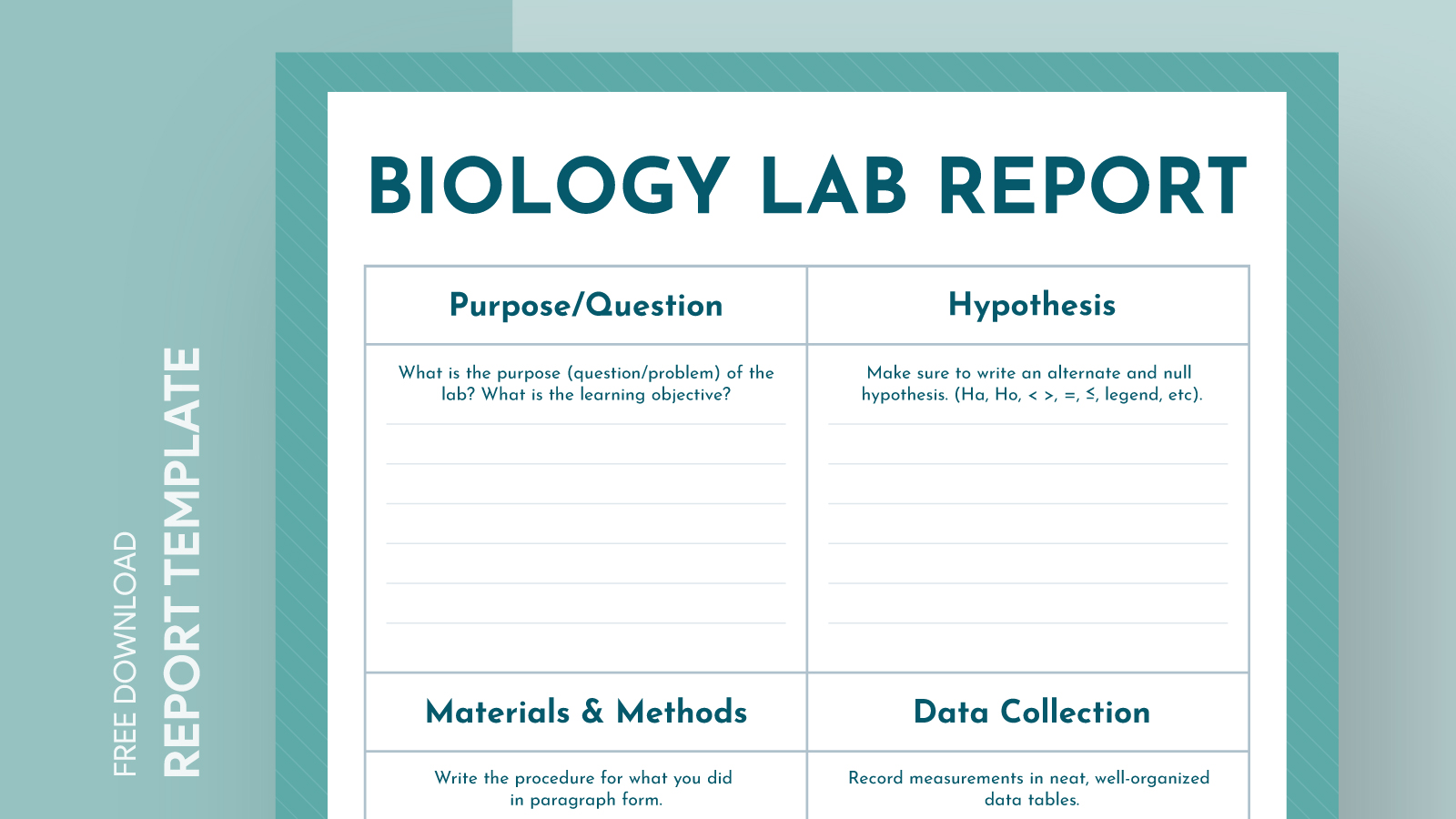
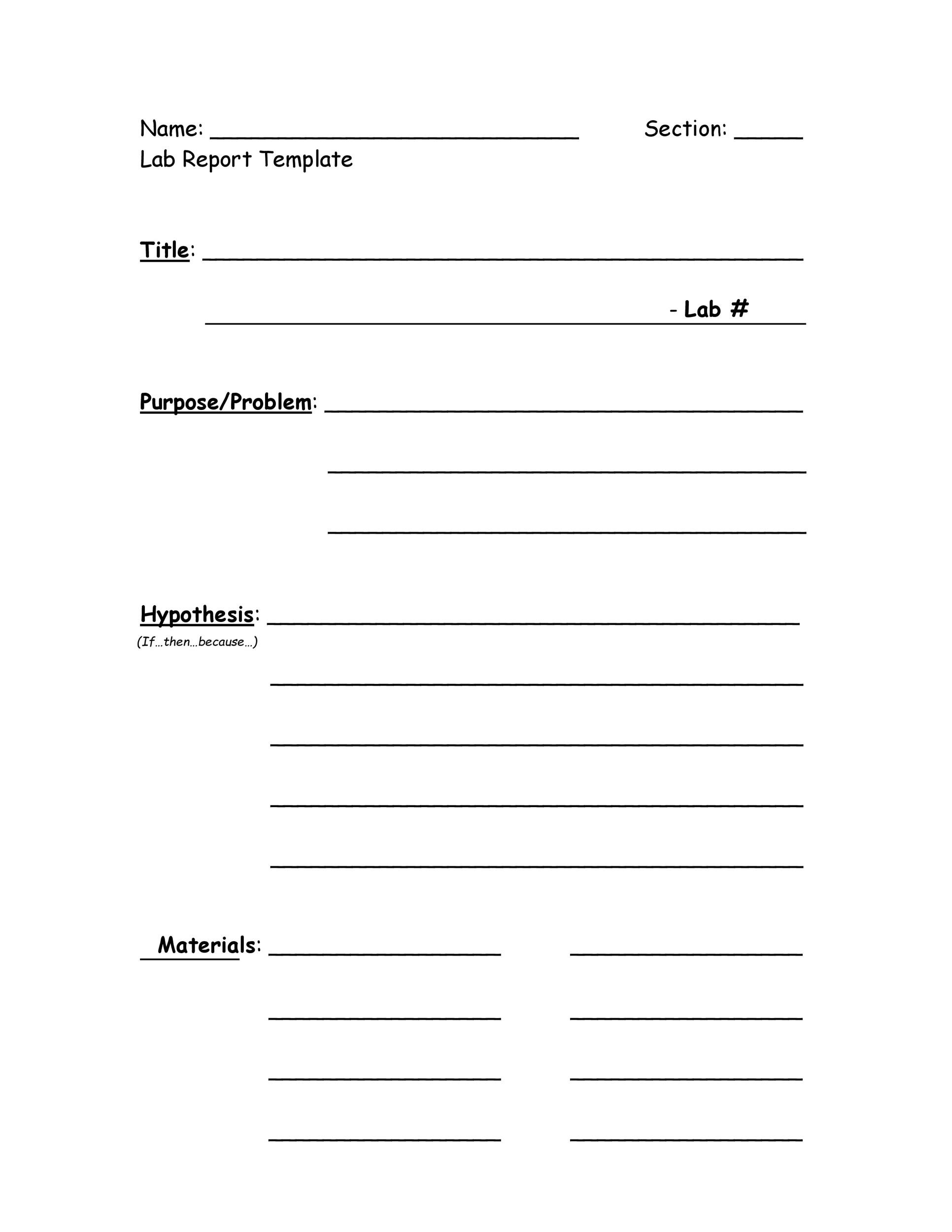
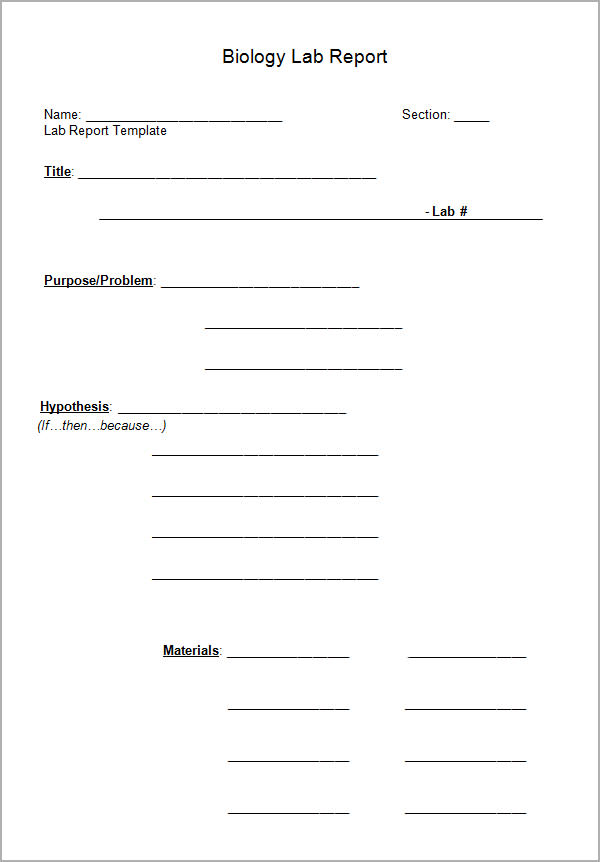
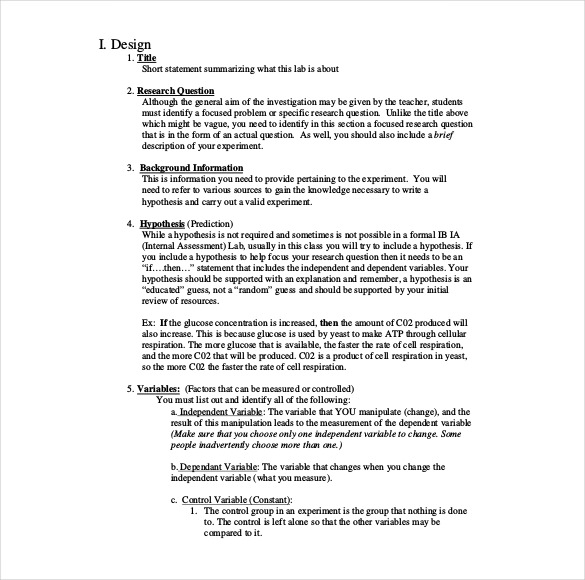
Using a Biology Lab Report Template can significantly streamline the writing process. Templates provide a pre-formatted structure, ensuring that you include all the necessary components and adhere to a consistent style. Many templates are available online, often tailored to specific types of biology experiments.

Finding and Choosing a Template
Numerous resources offer free or paid biology lab report templates. University websites, scientific journals, and educational platforms are good places to start your search. When choosing a template, consider the specific requirements of your assignment and the complexity of your experiment. Look for a template that is well-organized, easy to use, and adaptable to your needs.

Customizing the Template
While templates provide a helpful starting point, it’s important to customize them to fit your specific experiment. Adjust the headings and subheadings as needed, and add or remove sections based on the requirements of your assignment. Pay attention to formatting guidelines, such as font size, margins, and citation style. A well-customized template will save you time and effort while ensuring that your report is professional and polished.
Digital vs. Traditional Templates
Templates can be found in both digital and traditional (printed) formats. Digital templates, often in Microsoft Word or Google Docs, offer greater flexibility and ease of editing. They also allow for easy collaboration with lab partners. Traditional templates may be preferred for handwritten reports or for those who prefer a more tactile approach.
Common Mistakes to Avoid in Biology Lab Reports
Even with a well-structured template, it’s easy to make mistakes that can detract from the quality of your lab report. Being aware of these common pitfalls can help you avoid them.
Lack of Clarity and Conciseness
Avoid using jargon or overly complex language. Write in a clear, concise, and objective manner, ensuring that your ideas are easily understood. Avoid ambiguity and use precise terminology.
Insufficient Detail in Methods
The methods section must be detailed enough that another researcher could replicate your experiment. Don’t omit crucial steps or assume that the reader has prior knowledge of your procedures.
Misinterpretation of Data
Ensure that your interpretations of the data are supported by the evidence. Avoid making unsupported claims or drawing conclusions that are not justified by your findings.
Poor Formatting and Grammar
Pay attention to formatting guidelines and proofread your report carefully for grammatical errors and typos. A well-formatted and error-free report demonstrates professionalism and attention to detail.
Plagiarism
Always cite your sources properly to avoid plagiarism. Paraphrase information in your own words and give credit to the original authors.
The Importance of Proper Data Presentation
The results section is the heart of your lab report, and effective data presentation is crucial for conveying your findings.
Choosing the Right Visuals
Select the most appropriate type of visual to represent your data. Tables are useful for presenting numerical data in a concise and organized manner. Graphs are ideal for illustrating trends and relationships between variables. Figures can be used to depict complex structures or processes.
Labeling and Captioning
All tables, figures, and graphs must be clearly labeled and captioned. Labels should be concise and informative, and captions should provide a brief explanation of the visual’s content.
Statistical Analysis
If applicable, include statistical analysis to support your findings. Report relevant statistical values, such as p-values and confidence intervals.
Ensuring Accuracy and Reproducibility
The scientific method relies on reproducibility, meaning that other researchers should be able to obtain similar results by following your procedures. Accuracy and meticulous record-keeping are essential for ensuring reproducibility.
Detailed Record Keeping
Maintain a detailed lab notebook, recording all observations, measurements, and procedures. This notebook will serve as a valuable resource when writing your lab report.
Proper Calibration and Controls
Ensure that all instruments are properly calibrated before use. Include appropriate controls in your experiment to account for potential sources of error.
Peer Review
Ask a lab partner or colleague to review your report before submitting it. A fresh pair of eyes can often catch errors or inconsistencies that you may have missed.
Conclusion
A well-crafted Biology Lab Report Template is more than just a formality; it’s a vital tool for effective scientific communication. By understanding the core components of a lab report, utilizing templates efficiently, avoiding common mistakes, and prioritizing accuracy and reproducibility, you can ensure that your work is clear, concise, and impactful. Mastering this skill is fundamental to success in biology and related fields, allowing you to contribute meaningfully to the advancement of scientific knowledge. Remember that a lab report is a story – tell it well, and let your data speak for itself.
]]>