8d Report Format Template
The 8D (Eight Disciplines) problem-solving methodology is a structured approach used to identify, correct, and prevent recurring problems, especially in manufacturing and supply chain environments. It’s a team-oriented, data-driven process that emphasizes containment, root cause analysis, and permanent corrective action. Implementing 8D effectively requires a standardized reporting format. This post provides a comprehensive 8D report format template and explains each discipline in detail.
An 8D report serves as a living document that tracks the problem-solving process from initial discovery to final verification of corrective actions. It provides a clear and concise record of the team’s efforts, facilitating communication, knowledge sharing, and continuous improvement. Using a template ensures consistency, completeness, and efficiency in problem resolution.
8D Report Format Template
Below is a detailed HTML list presenting the commonly used 8D report format template. Each ‘D’ represents a critical step in the problem-solving process.
-
D0: Plan & Prepare
This initial phase focuses on setting the stage for a successful 8D process. It involves identifying the problem, determining its severity, and deciding whether an 8D investigation is necessary.
- Define the Problem Statement: Clearly and concisely describe the issue. Include the “who, what, where, when, and how much” (5W2H).
- Escalate Issue & Determine Necessity of 8D: Based on severity and frequency, decide if an 8D process is needed.
- Determine Team Composition: Select team members with relevant knowledge, skills, and authority.
- Allocate Resources: Ensure the team has the necessary time, tools, and support.
- Establish the 8D Scope: Define the boundaries of the problem and the focus of the investigation.
-
D1: Use a Team
This discipline emphasizes the importance of teamwork. The team should consist of individuals with expertise in relevant areas and a designated team leader responsible for guiding the process.
- Team Leader: Appoint a leader to facilitate the 8D process.
- Team Members: Identify and involve team members with necessary skills (e.g., process knowledge, engineering, quality).
- Define Roles and Responsibilities: Clearly outline each team member’s role and contribution.
- Establish Communication Protocols: Define how the team will communicate and collaborate.
-
D2: Describe the Problem
This step involves thoroughly defining the problem using factual data. A clear and objective description is essential for accurate analysis and effective problem resolution.
- Detailed Problem Description: Provide a comprehensive description of the problem, including its location, frequency, and impact.
- Is/Is Not Analysis: Use this technique to narrow down the scope of the problem by identifying what the problem *is* and what it *is not*.
- Use 5W2H: Systematically apply the 5W2H framework (Who, What, Where, When, Why, How, How Many) to fully characterize the problem.
- Gather Data: Collect relevant data to quantify the problem and establish a baseline.
-
D3: Develop Interim Containment Action
Containment actions are temporary measures taken to protect the customer from the effects of the problem while the root cause is being investigated. These actions prevent further occurrences of the problem in the short term.
- Implement Temporary Solutions: Implement immediate actions to contain the problem and prevent it from spreading.
- Verify Effectiveness: Ensure the containment actions are effective in mitigating the problem’s impact.
- Document Containment Actions: Record all containment actions taken and their effectiveness.
- Protect the Customer: The primary goal of containment is to shield the customer from negative consequences.
-
D4: Define and Verify Root Cause
This crucial step focuses on identifying the underlying cause of the problem, not just the symptoms. Various tools and techniques, such as the 5 Whys, Fishbone diagrams (Ishikawa diagrams), and Pareto analysis, can be used.
- Identify Potential Root Causes: Brainstorm potential root causes based on the problem description and data analysis.
- Utilize Root Cause Analysis Tools: Employ tools like the 5 Whys, Fishbone diagrams, and Pareto analysis.
- Verify Root Cause(s): Test and validate the identified root cause(s) to ensure they are the true drivers of the problem.
- Document Verification Process: Record the methods and results used to verify the root cause(s).
-
D5: Choose and Verify Permanent Corrective Actions
Once the root cause is identified, permanent corrective actions (PCAs) are developed and implemented to eliminate the root cause and prevent recurrence of the problem. These actions should be sustainable and address the underlying system or process flaws.
- Develop Corrective Actions: Create solutions that directly address the identified root cause(s).
- Evaluate and Select Best Corrective Actions: Choose the most effective and feasible corrective actions.
- Verify Effectiveness of Corrective Actions: Test and confirm that the corrective actions eliminate the root cause and prevent recurrence.
- Document Corrective Actions and Verification: Record all chosen and verified corrective actions and their effectiveness.
-
D6: Implement Permanent Corrective Actions
This discipline involves putting the chosen corrective actions into practice. This requires a well-defined implementation plan, including timelines, responsibilities, and resource allocation.
- Create an Implementation Plan: Develop a detailed plan outlining the steps required to implement the corrective actions.
- Assign Responsibilities: Clearly assign responsibility for each step in the implementation plan.
- Monitor Implementation Progress: Track the progress of the implementation plan and address any roadblocks.
- Document Implementation Process: Record the steps taken to implement the corrective actions.
-
D7: Prevent Recurrence
This step focuses on implementing preventive actions to prevent the problem from recurring in the future. This may involve modifying processes, updating procedures, or providing additional training.
- Identify Potential Recurrence Scenarios: Analyze the process to identify potential areas where the problem could recur.
- Develop Preventive Actions: Implement measures to prevent recurrence in those areas.
- Standardize Best Practices: Update procedures, training materials, and other documentation to reflect the new best practices.
- Document Preventive Actions: Record all preventive actions taken and their rationale.
-
D8: Congratulate the Team
Recognize and reward the team for their efforts in resolving the problem. This reinforces teamwork and encourages continuous improvement.
- Acknowledge Team Contributions: Recognize the contributions of each team member.
- Celebrate Success: Celebrate the successful resolution of the problem.
- Share Lessons Learned: Share the lessons learned from the 8D process with other teams and departments.
- Document Lessons Learned: Record the key lessons learned for future reference.
By utilizing this 8D report format template, organizations can effectively manage problem-solving processes, leading to improved quality, reduced costs, and enhanced customer satisfaction. Remember to adapt the template to suit your specific needs and industry standards.
If you are searching about 8D Problem-Solving Report Template PPT you’ve visit to the right page. We have 15 Images about 8D Problem-Solving Report Template PPT like 8D Problem-Solving Report Template PPT, 8D Corrective Action Report Template within 8D Report Format Template and also 8d Report Template Excel Download – PROFESSIONAL TEMPLATES. Here it is:
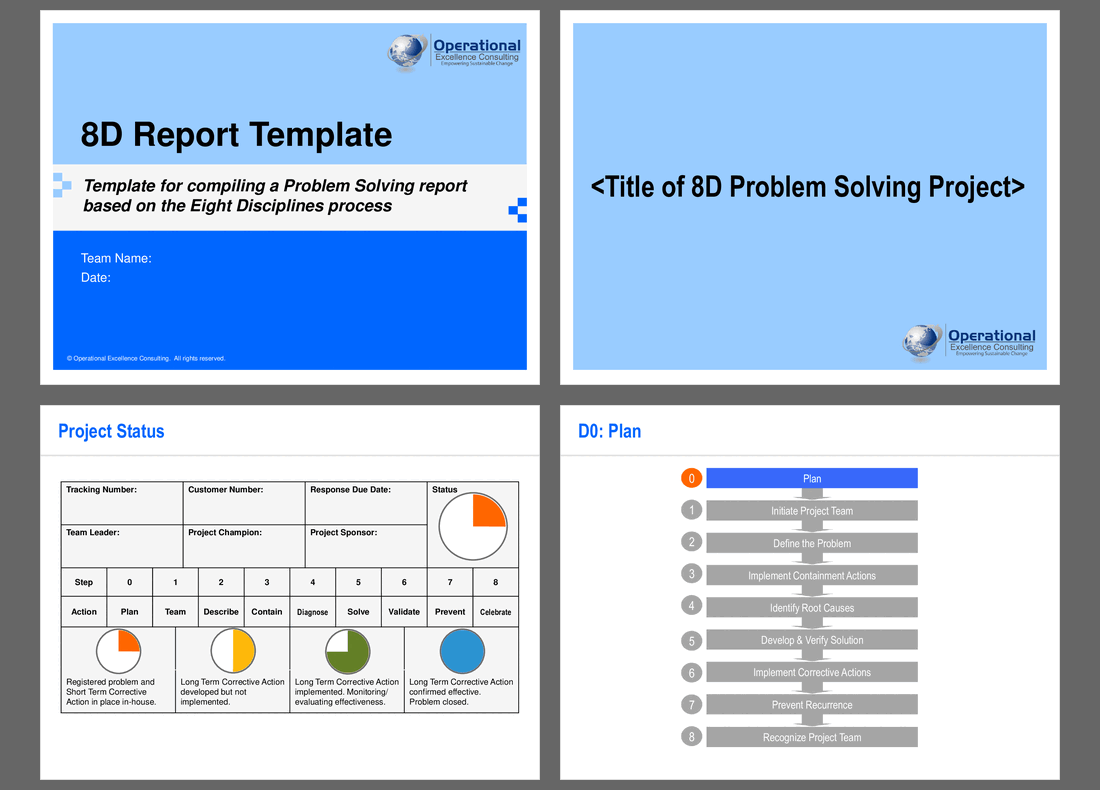
8D Problem-Solving Report Template PPT
flevy.com
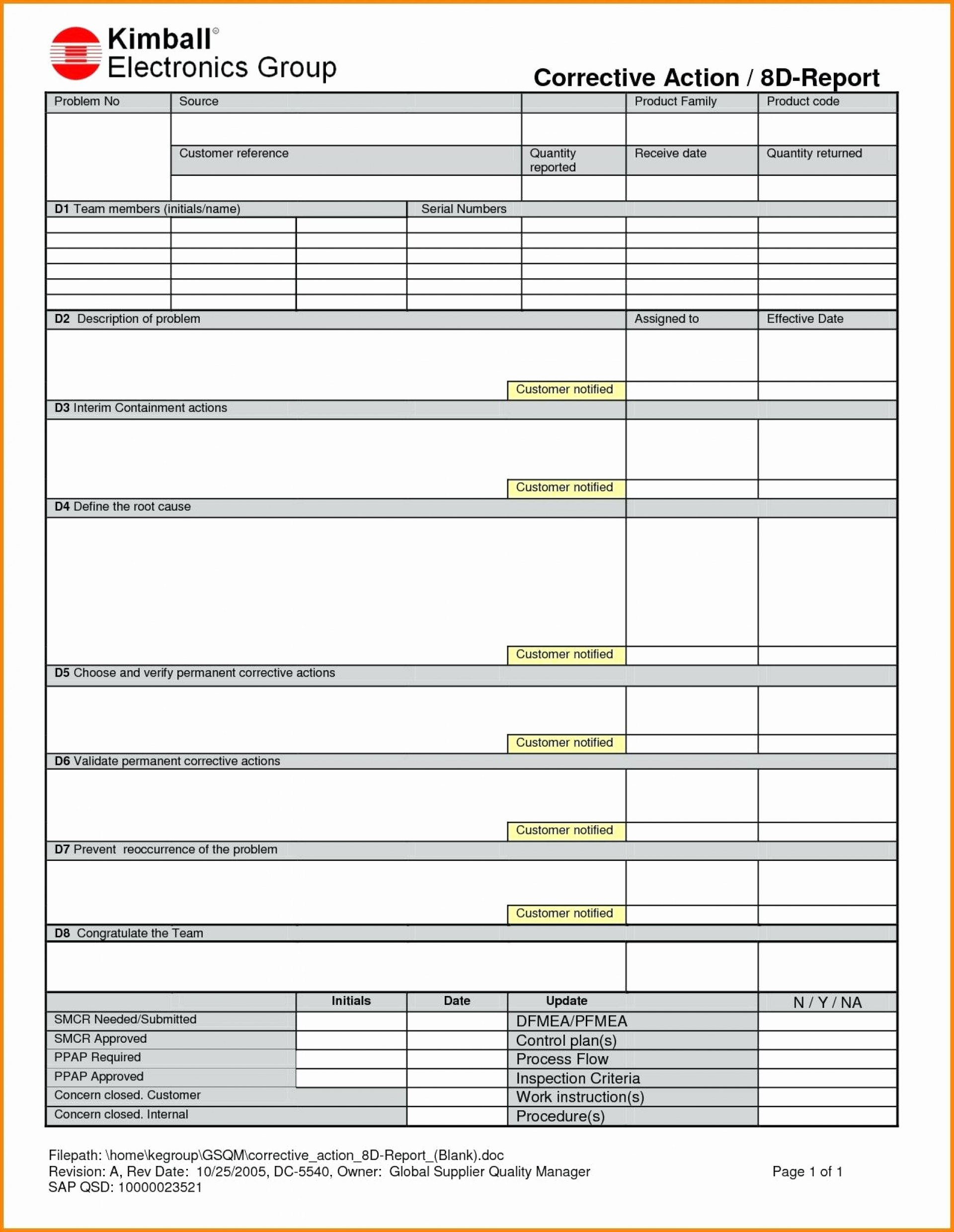
Corrective Action Report Car Page Template Wonderful Ideas D Intended
vancecountyfair.com
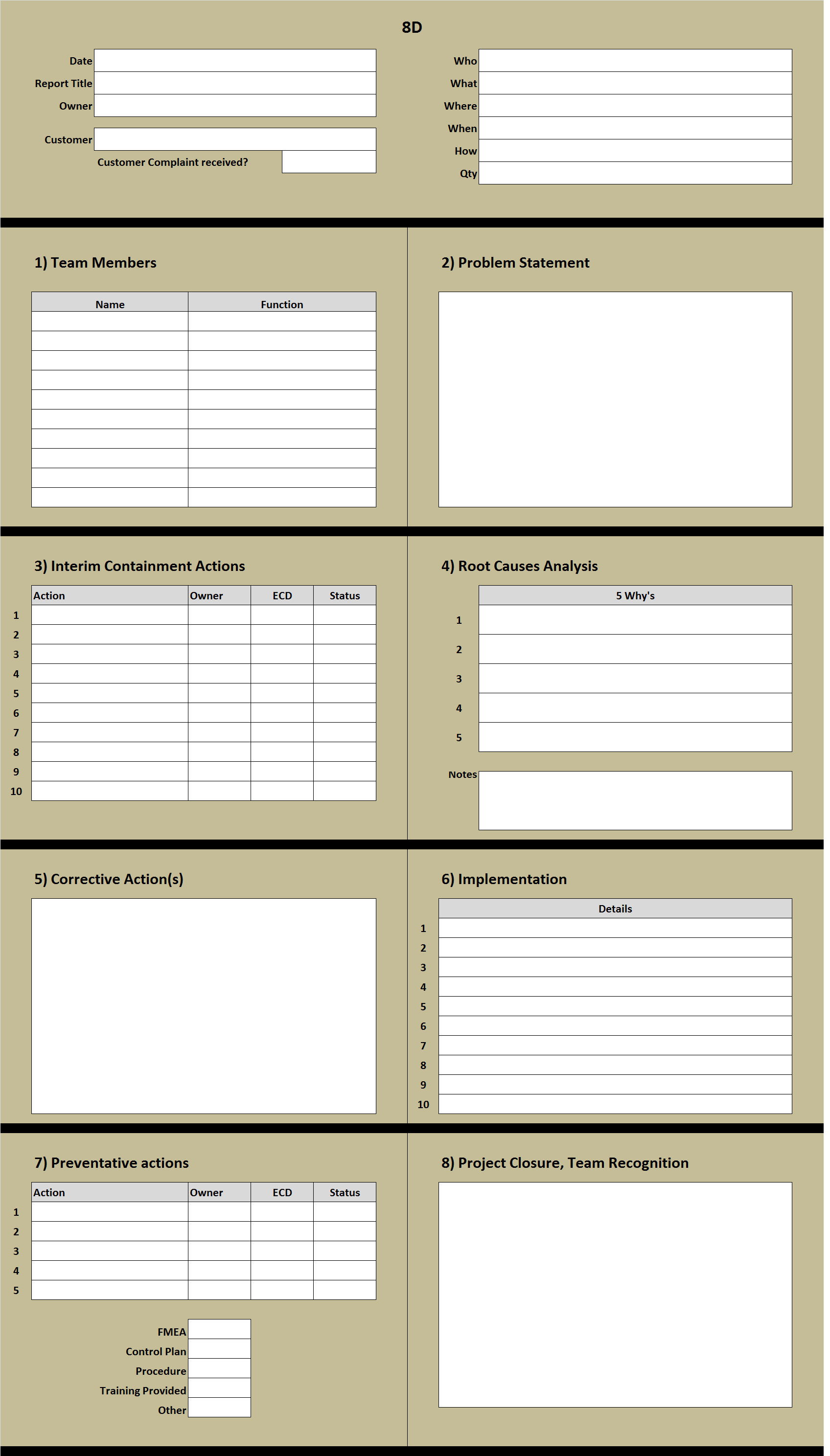
8d Report Template Excel Download – PROFESSIONAL TEMPLATES
www.swiftsparks.com
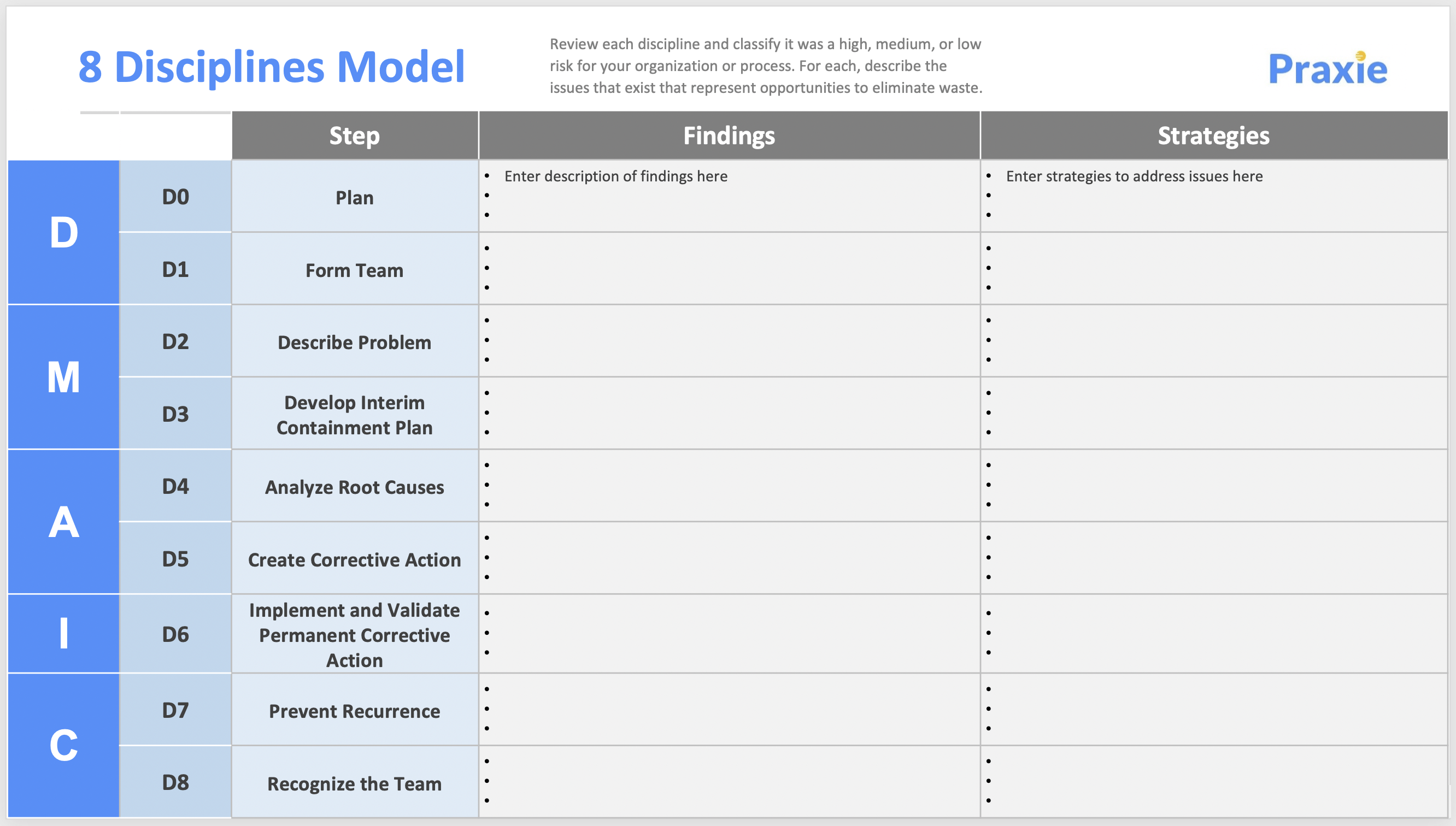
8D Report Format Template – Rebeccachulew.com
www.rebeccachulew.com
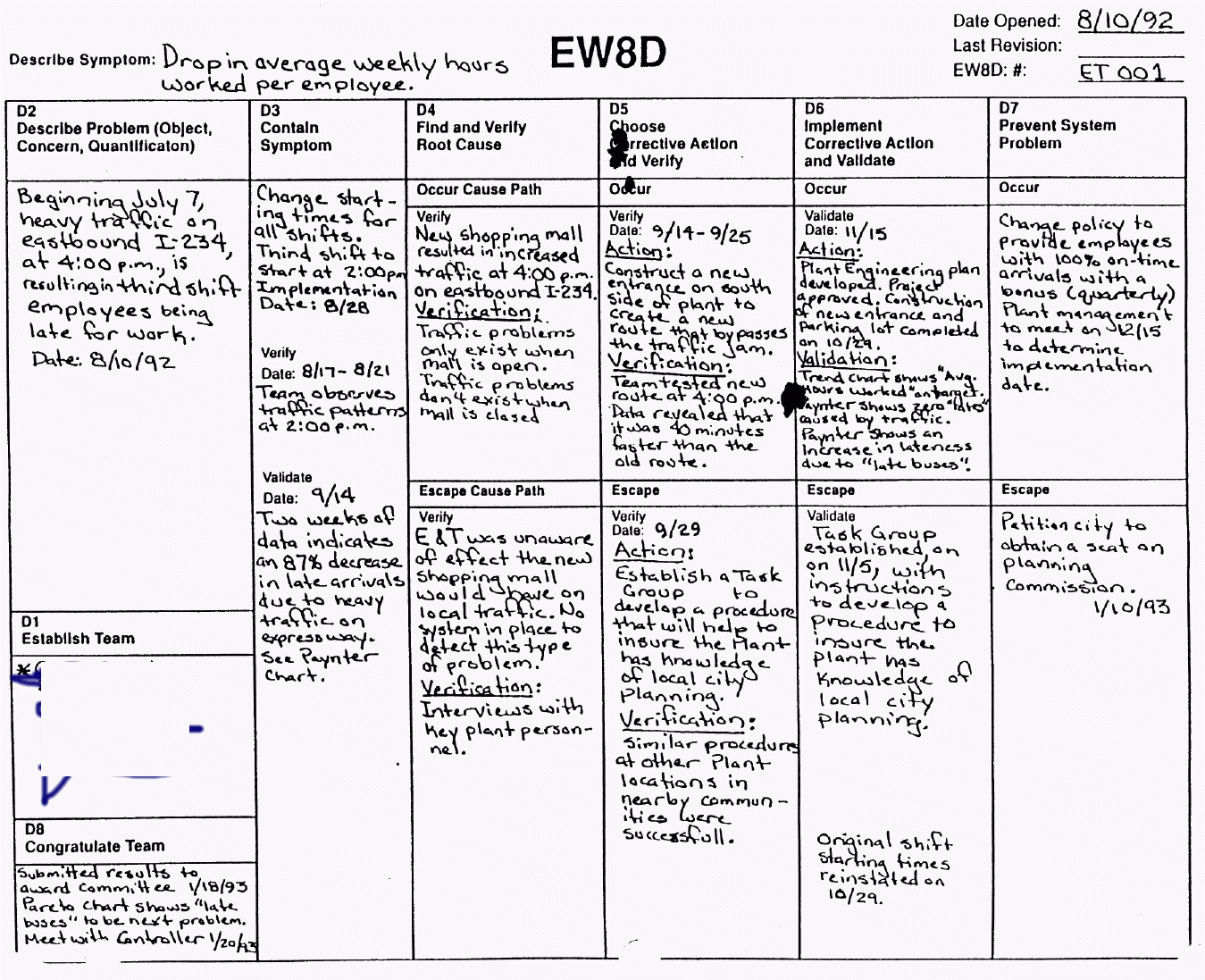
8D Report Template. Http Www Falcana Com Reklamations Inside 8D Report
pray.gelorailmu.com
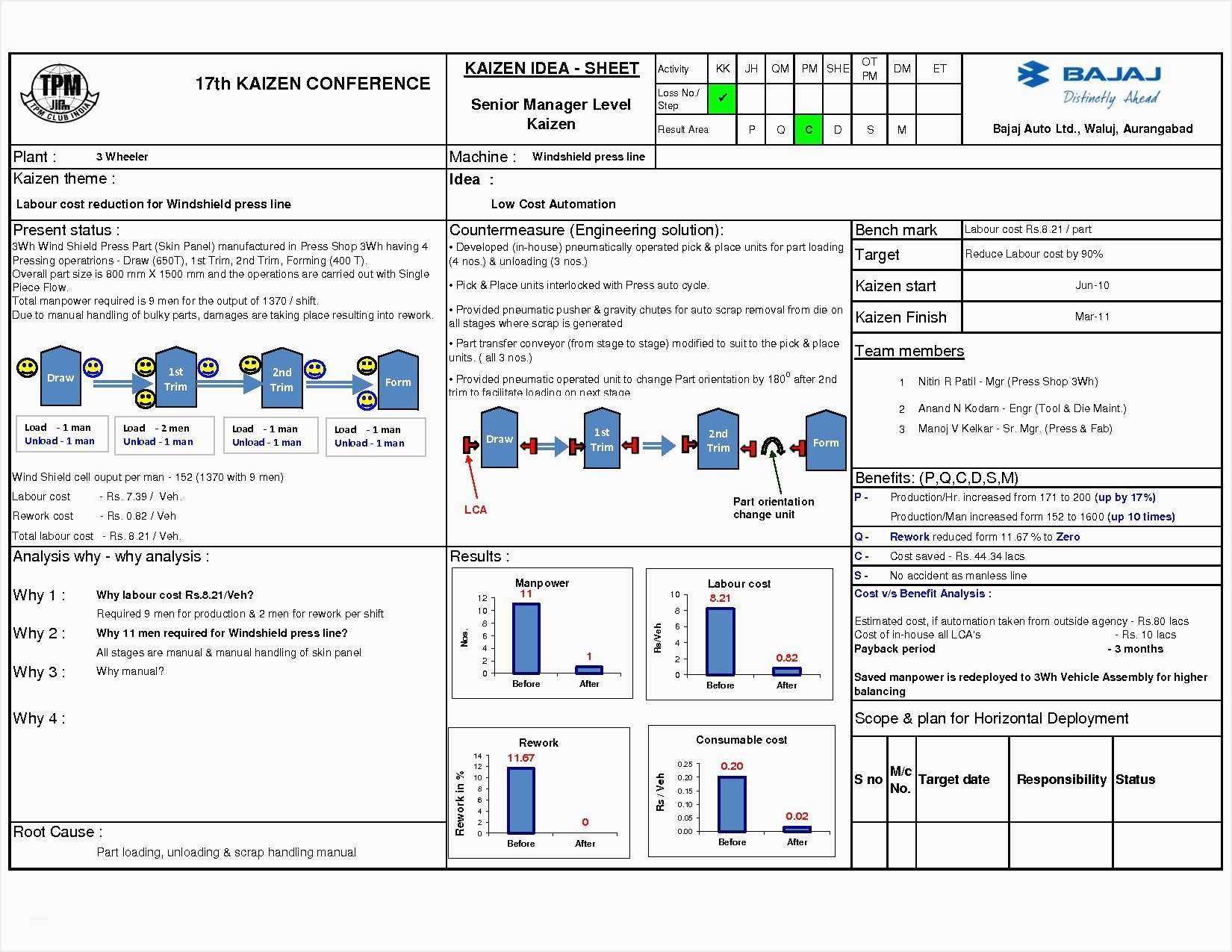
8D Problem Solving Template Excel | Glendale Community Inside 8D Report
www.xfanzexpo.com
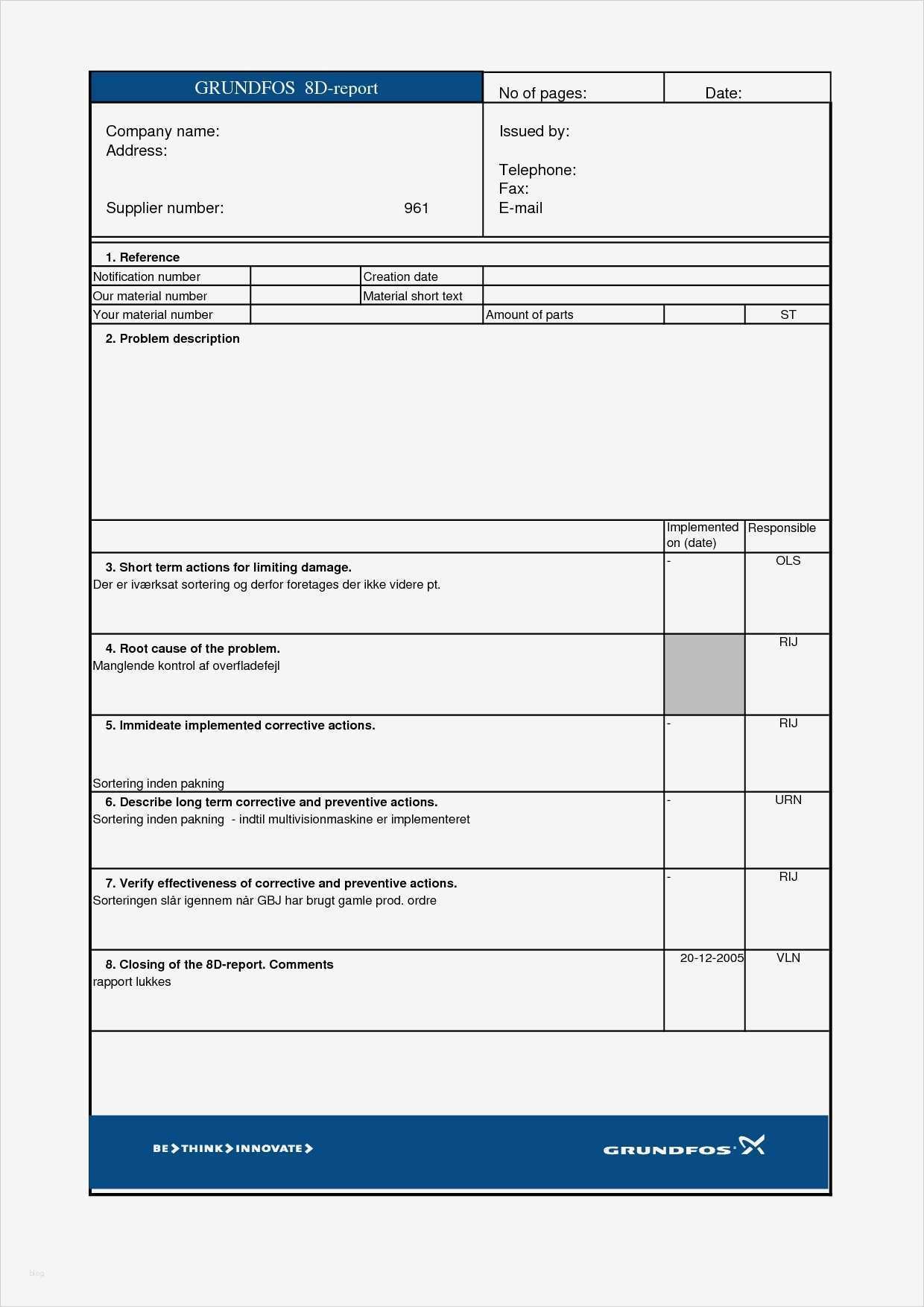
Capa Vorlage Beste 8d Report Format Template Cool 8d – Vrogue.co
www.vrogue.co
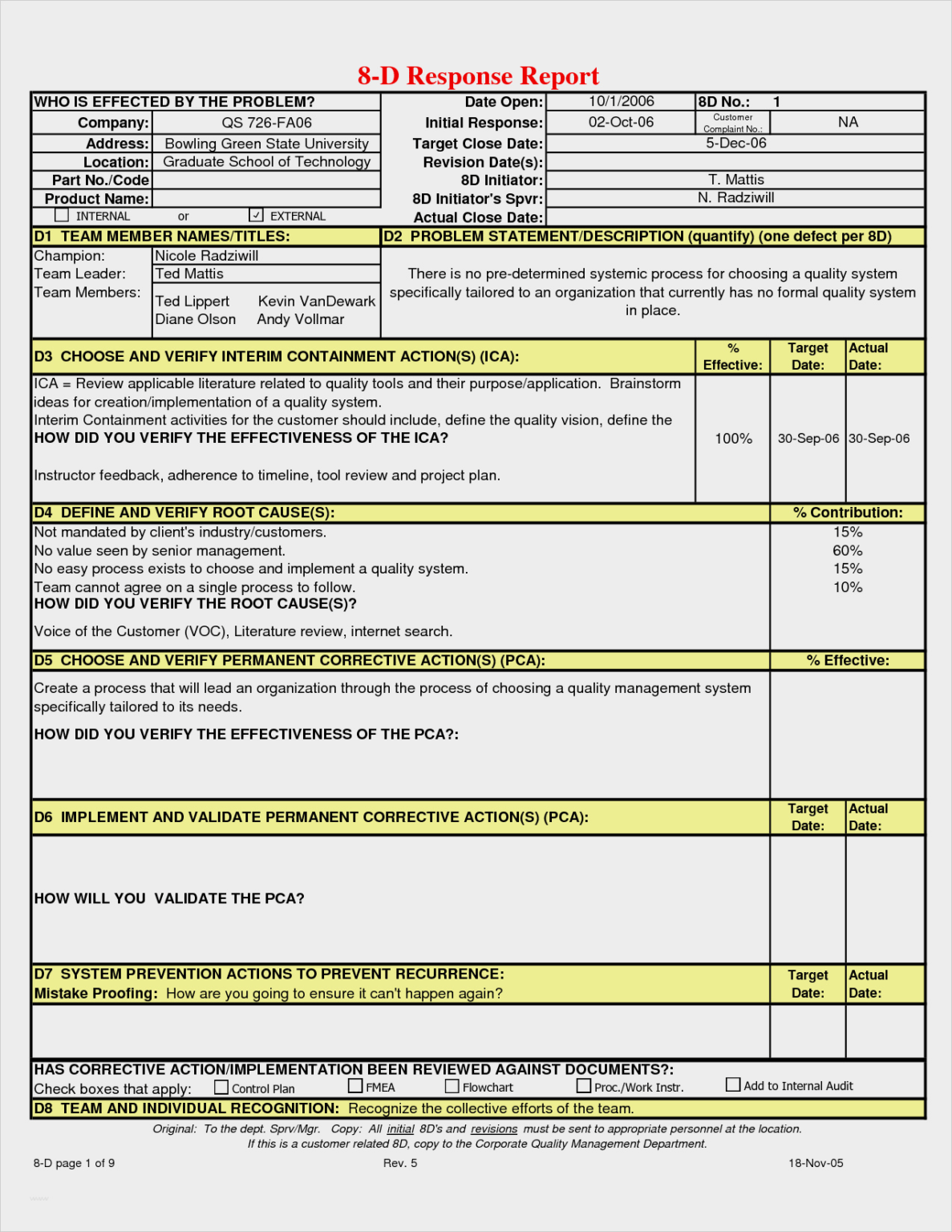
8D Report Format Template – Business.fromgrandma.best
business.fromgrandma.best
8 D Report Format Template

businesstemplateinspiration.blogspot.com
8D Report Format Template – Rebeccachulew.com
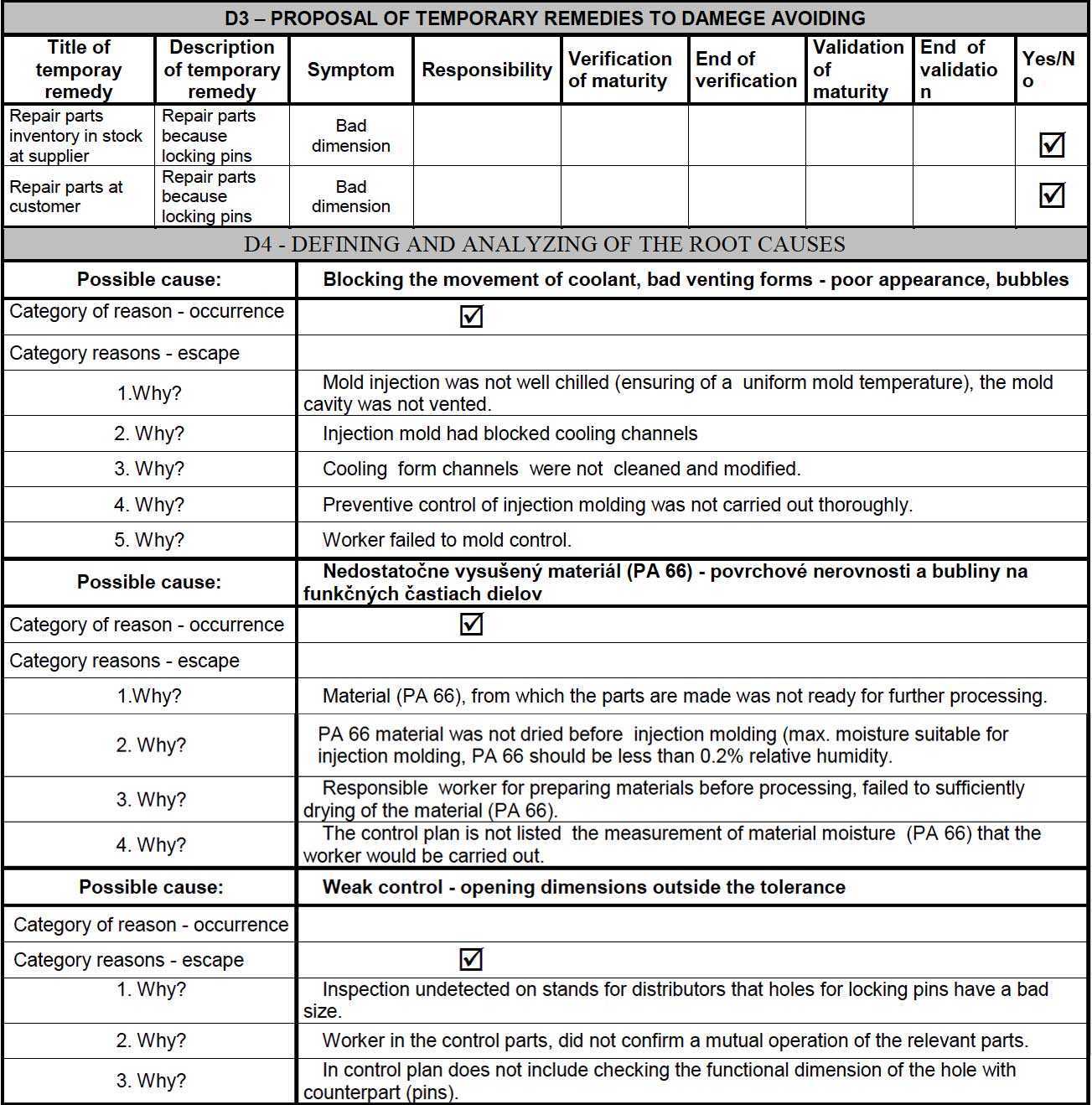
www.rebeccachulew.com
8D Corrective Action Report Template Within 8D Report Format Template
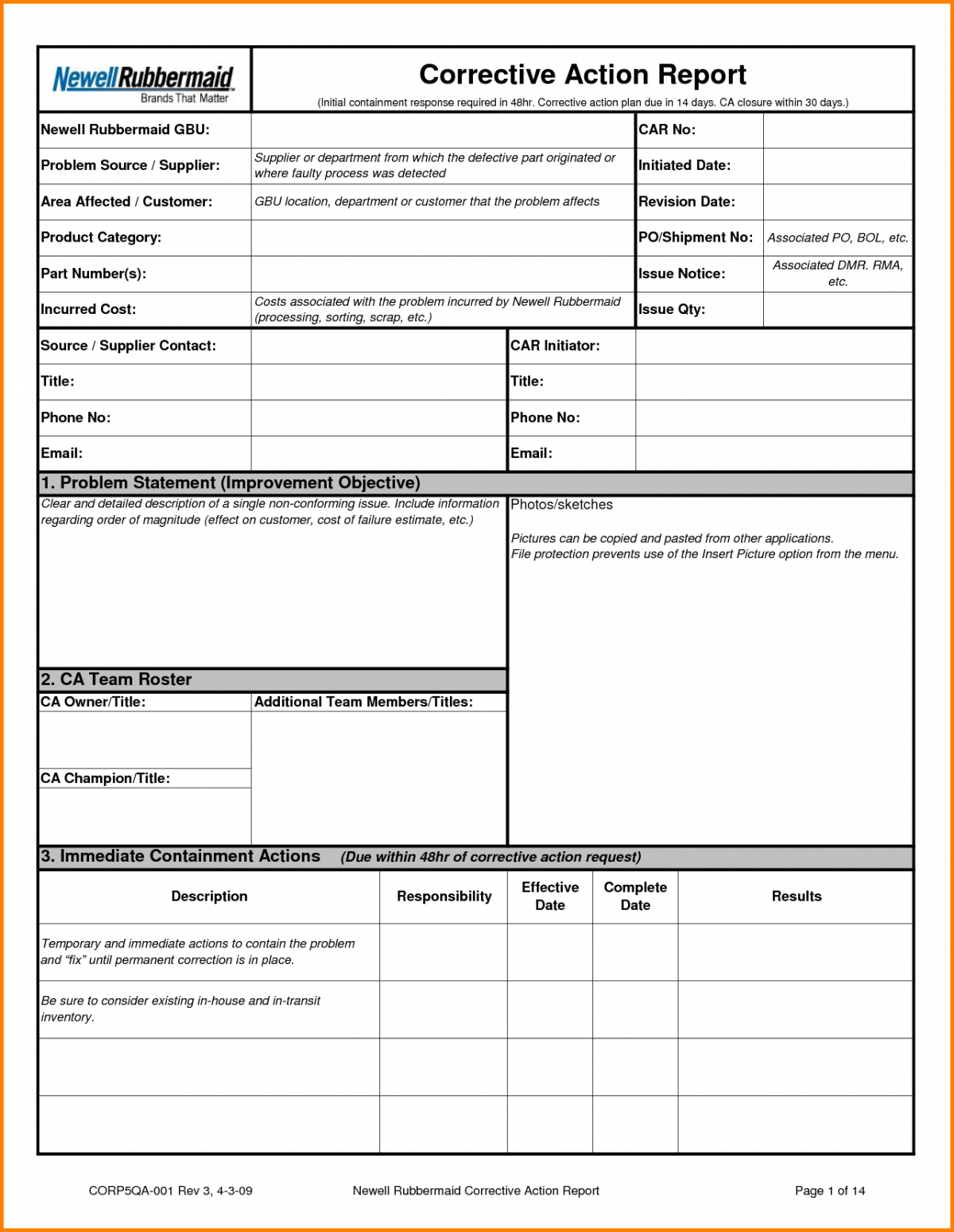
www.xfanzexpo.com
D Report Vorlage Excel Oder D Problem Solving Template Excel Throughout

vancecountyfair.com
8D Report Format Template – Rebeccachulew.com
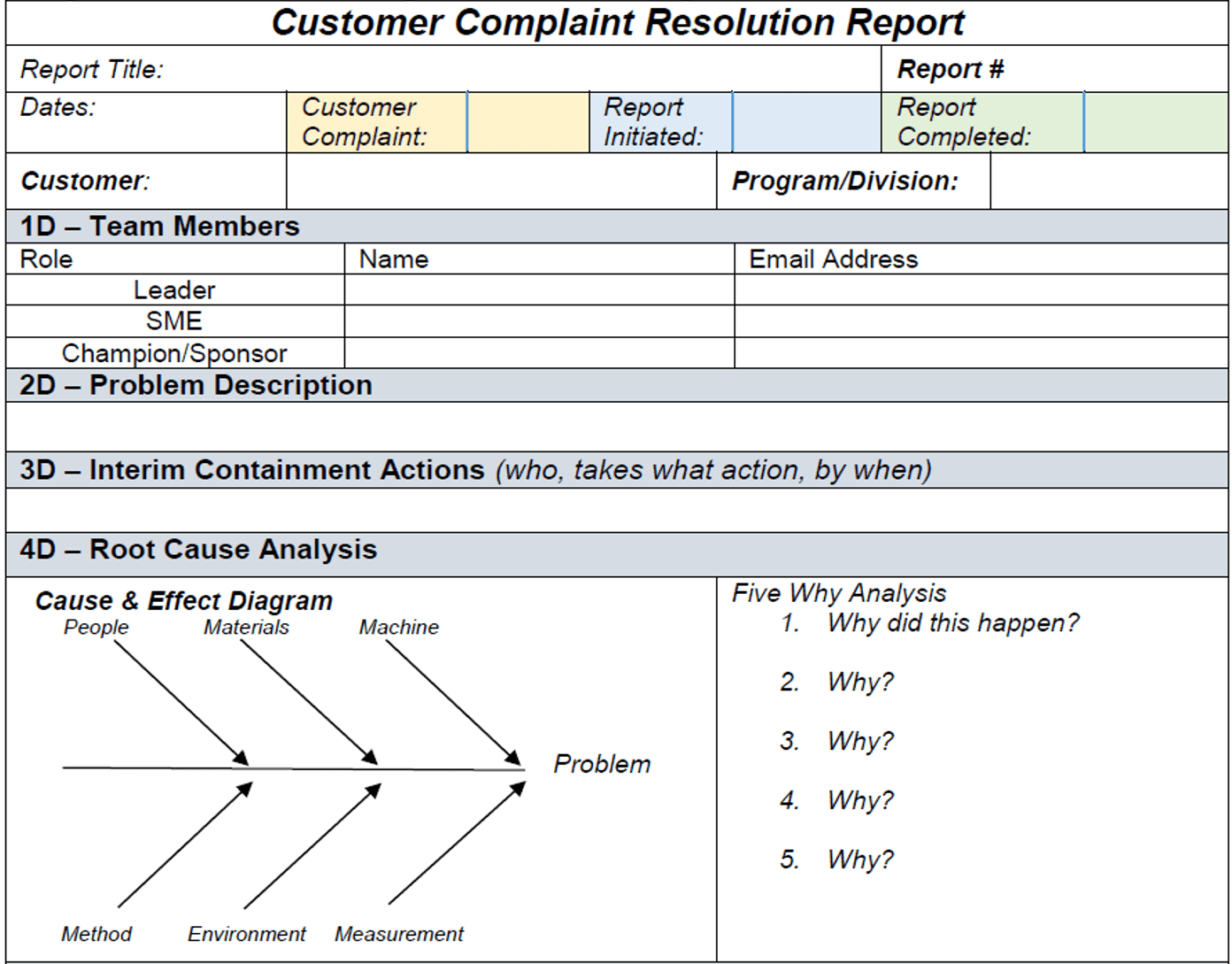
www.rebeccachulew.com
8d Report Template Excel Download – PROFESSIONAL TEMPLATES
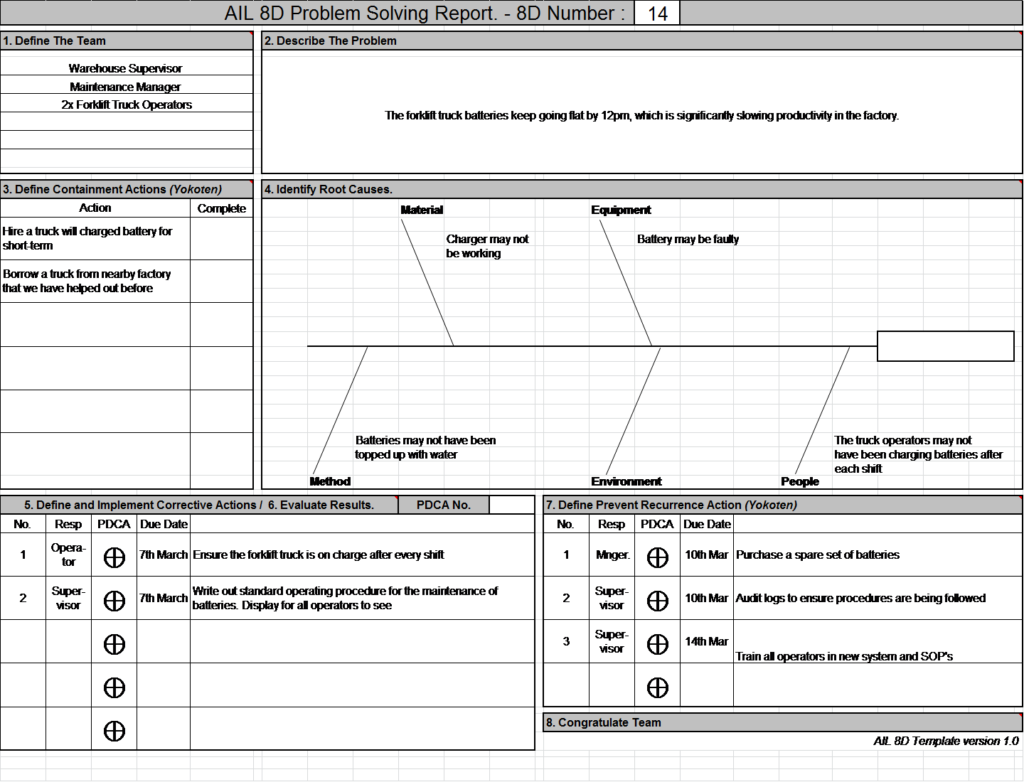
www.swiftsparks.com
8D Report Format – [Xls Document] Within 8D Report Format Template
![8D Report Format – [Xls Document] within 8D Report Format Template](https://cloudflare.itsnudimension.com/wp-content/uploads/2020/03/8d-report-format-xls-document-within-8d-report-format-template.png)
cloudflare.itsnudimension.com
8d problem-solving report template ppt. 8d report template. http www falcana com reklamations inside 8d report …. 8d problem solving template excel